

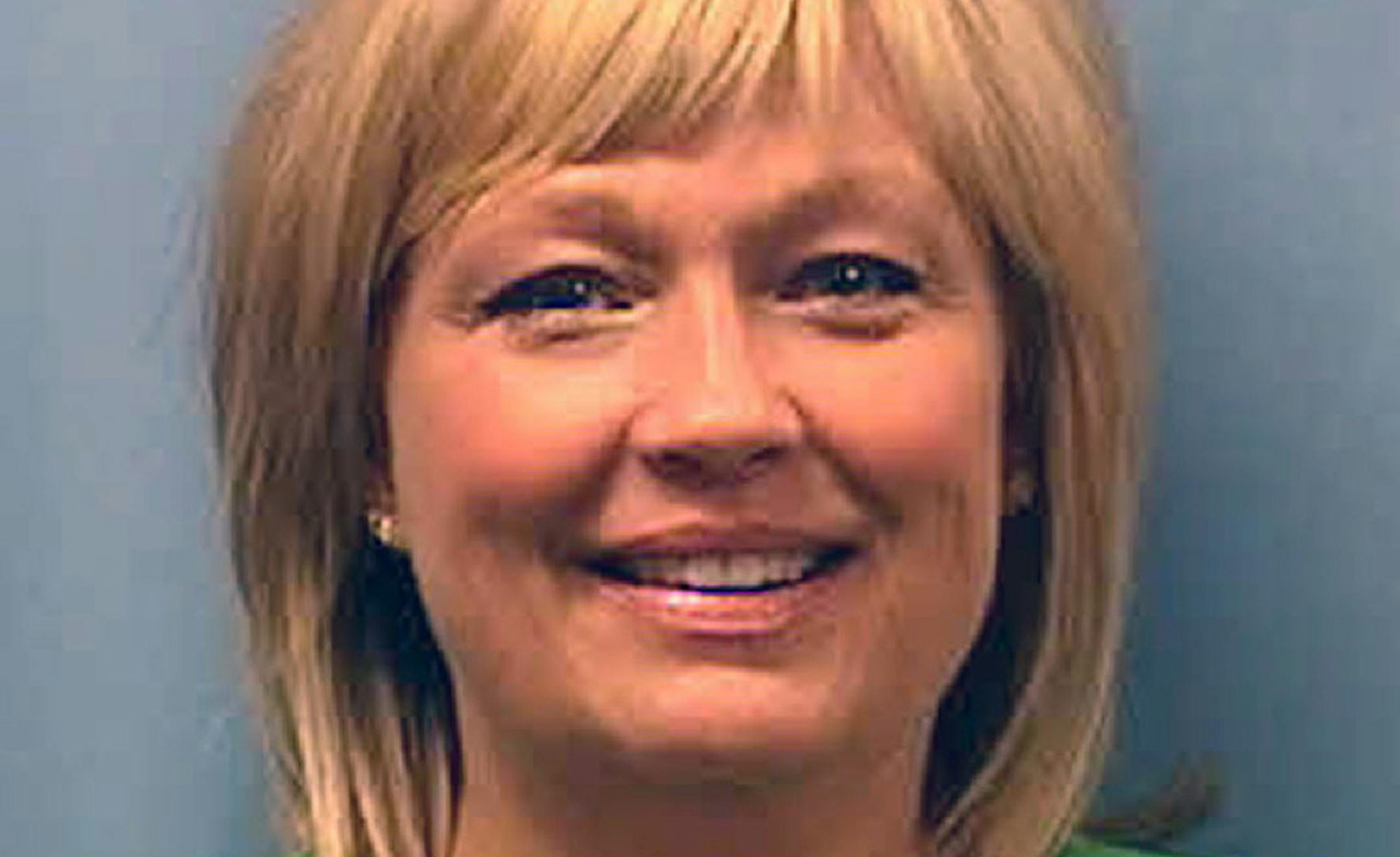
Mary Manney resigned as deputy director of the Minnesota Racing Commission in June, several months after a state investigation faulted her oversight of the Running Aces harness track in Anoka County.
She landed a job days later — at Running Aces.
Her employment at a track she once regulated is legal, part of the revolving-door pattern of public officials taking private sector jobs in areas they once oversaw. But it is also the latest trouble for the Racing Commission, the governor-appointed group responsible for ensuring Minnesota's multimillion-dollar horse racing industry is transparent and above reproach.
The investigation into Manney's oversight, completed by a state-contracted attorney in December, faulted Manney for being indifferent to the rights of horsemen, failing to follow commission directives and portraying herself in a way that could be considered threatening to a witness, according to the report recently made public after the Star Tribune pressed for its release. Manney received a letter of reprimand afterward, but it was later removed by the commission in a split vote when a commissioner decided to conduct his own investigation that he said differed with the state's findings. That commissioner admitted in an interview that he has long been a supporter of Running Aces.
Within a month after Manney's resignation, the commission's former chair, Jesse Overton, resigned after he was vindicated in a gender-bias claim brought by Manney. Last week, Manney's attorney served a civil complaint against Overton and commission member James Lane, alleging that they'd violated the state's Data Practices Act by providing the Star Tribune with an un-redacted copy of the report on Manney.
"I suffered significant harm to my reputation and to my family," Manney said in a statement. She said she was forced to resign from her state job, and blamed many of her problems on Overton.
Lane, vice chair of the commission and an attorney, said in an interview that while the practice of government regulators being hired by the businesses they regulate was hardly new, "all of that revolving-door policy raises obvious questions.''
"We haven't been asked to judge whether Mary's going to work for the track was appropriate or not,'' Lane said.


