

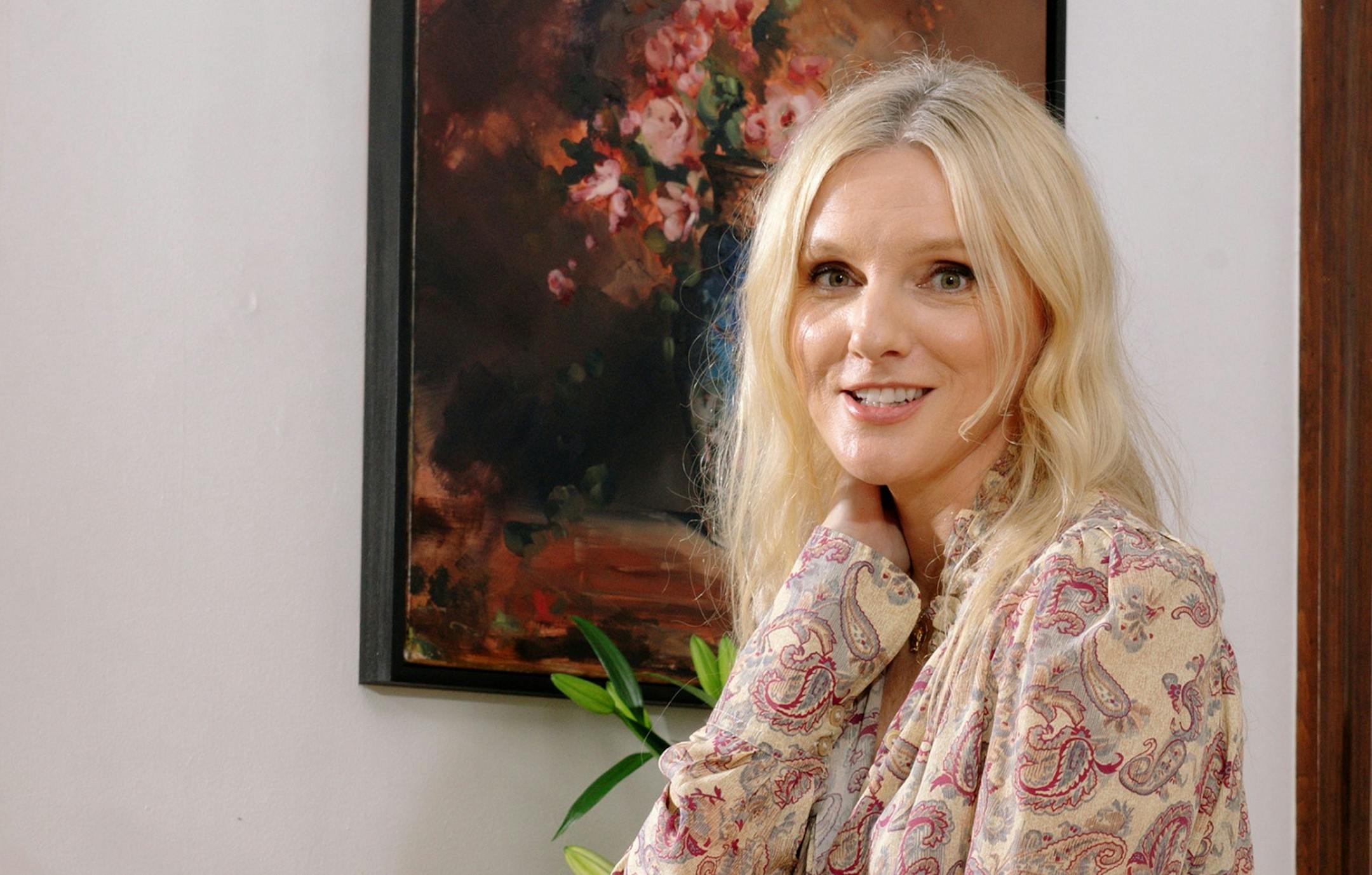
NEW YORK — About 10 months ago, Laura Brown put on an emerald green suit and walked into an East Village art gallery, where two rows of benches lined the walls of a square room with a high ceiling. She took her seat in the front row.
It could have been a scene in what Brown calls a "BFM," or "bad fashion movie" — a phrase she has used to describe the fashion editor archetype: elitist, egomaniacal and downright "Devil Wears Prada"-ish. One day earlier, publisher Dotdash Meredith announced that Brown's job, editor-in-chief of InStyle magazine, had been eliminated.
In her "BFM," the scene would have played out like this: A fallen editor makes her first public appearance at a fashion show, striding into a den of whispers and side-eyes, as steely as ever.
Except that Brown was just about the furthest a mainstream fashion editor could get from Miranda Priestly's ilk. She didn't show up that day wearing sunglasses and a cool smirk. She wore beachy waves and a jaunty smile. She bear-hugged some seatmates and made them laugh.
When people asked about InStyle, she didn't say "I left," which is what fashion people often say after being fired, Brown said. She had no interest in "going away for a while to, like, collect myself and then announce my next thing."
Besides, she knew "the power of magazines is not what it used to be." Many years ago, social media leveled the playing field in fashion; in today's front row, top editors are sandwiched between Instagram personalities and famous friends of the brand. In this case, Brown was all three at once.
"I knew what equity I had earned," said Brown, who is 48 and deeply Australian, while having lunch last month at the deeply Parisian restaurant Le Voltaire. "My worth did not depend on being the editor-in-chief of InStyle."
'A nice lady who eats spaghetti'


