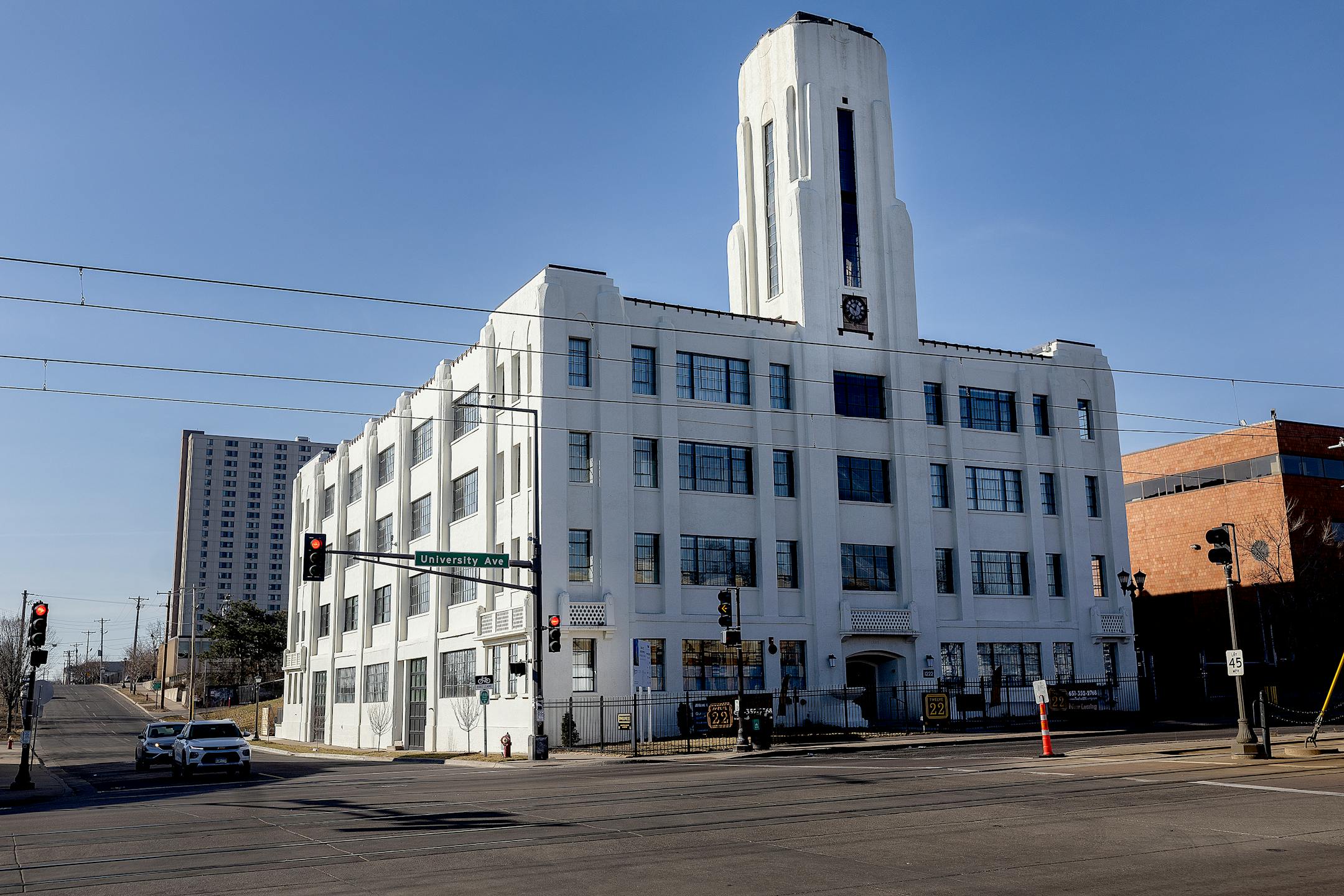
For years, Fiona Eustathiades has driven past the striking building on St. Paul’s University Avenue with the clock tower, wishing she had several million dollars to turn it into low-income housing.
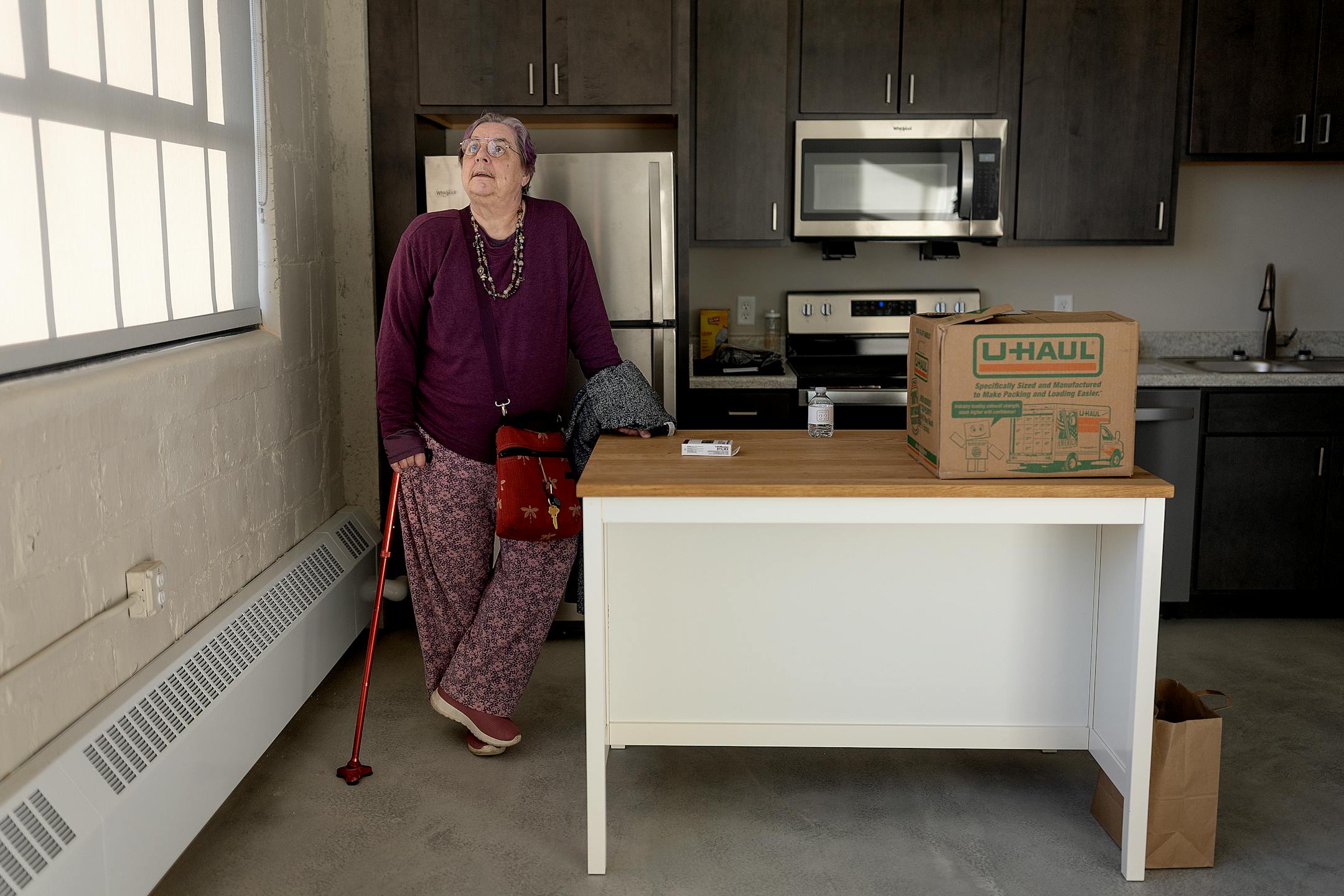
Soon, she’ll live there. Eustathiades, 65, got the keys to her sunny one-bedroom apartment with high ceilings and big windows in February. She is in the process of moving in as she looks to downsize to an affordable place as she plans for retirement from working with people with developmental disabilities. As a bonus, the apartment is a short walk from her job and is near where her mother, whom she cares for, lives.
When she and her mom — both fans of old houses — toured the apartment, “we walked into the apartment and were like, ‘Whoa, this is nice,’” she said. “You don’t get apartments with big windows and light — especially in low-income.”
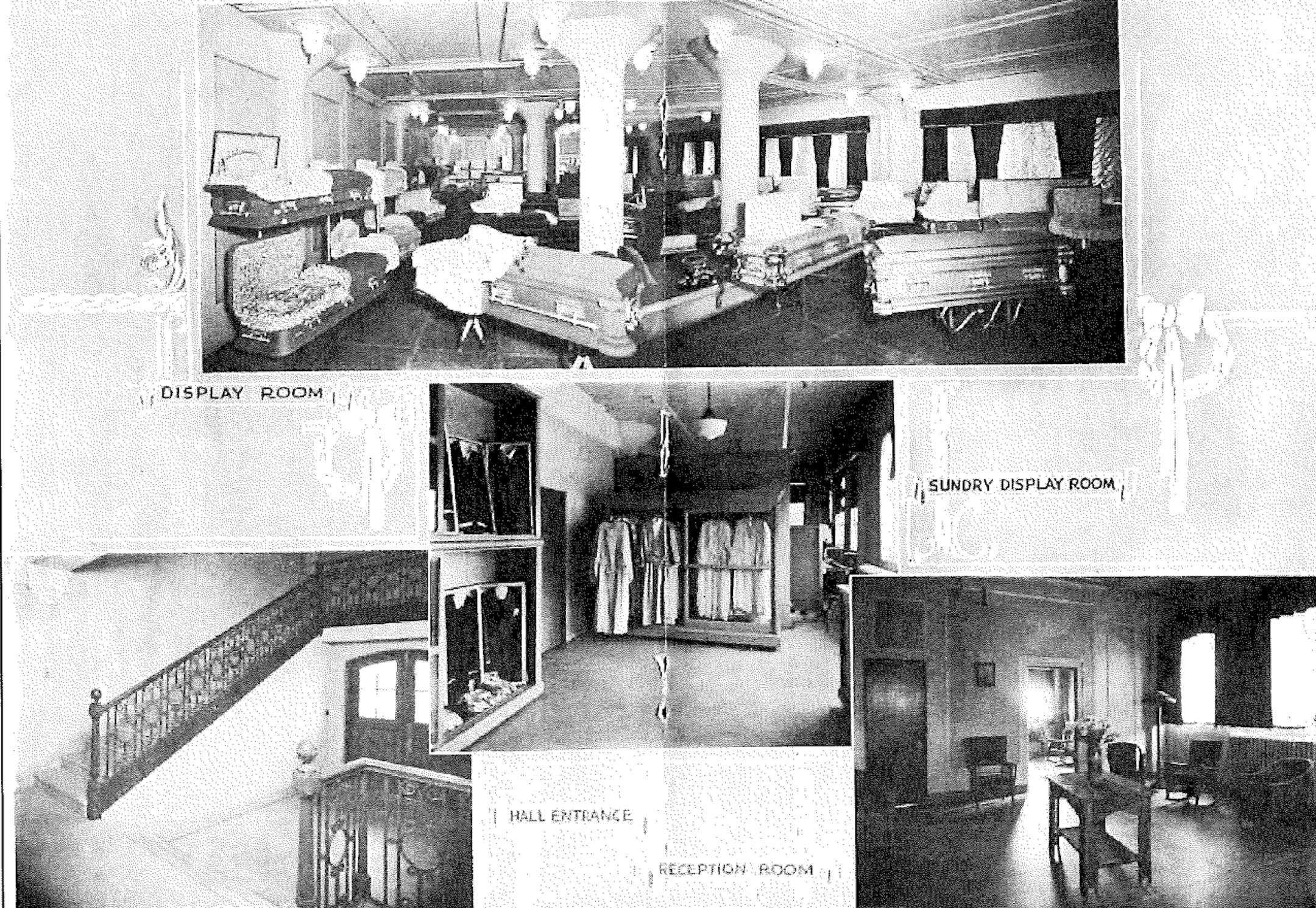
The modern Gothic-style building, which turned 100 last year and is on the National Register of Historic Places, recently opened as Twelve22 Living, an apartment building with 55 income-limited affordable housing units. St. Paul developer JB Vang extensively renovated the building — a casket factory in its first life and offices and warehousing later on — into one- and two-bedroom apartments.
Twelve22 was the first project to receive aid from a St. Paul fund designed to help build deeply affordable housing, as defined under federal housing standards at 30% or less of area median income. It also received support from state and federal historic tax credits, low-income housing tax credits, tax-exempt bonds and tax increment financing from the city, among other sources, said Ashley Bisner, senior development manager at JB Vang.
“When we say affordable housing, we don’t mean cheap housing.” St. Paul Mayor Melvin Carter said at a ribbon-cutting ceremony for the building in January, praising the finishes in the apartments and wide hallways. “This is a place where neighbors in our community can afford to live with dignity.”
Fifteen of the units are considered affordable for people at 30% of area median income, with rent between $665 and $785 per month. Forty units considered affordable at 60% of area median income rent for between $1,365 and $1,624. JB Vang has agreed to keep the units affordable for 50 years.
In St. Paul, there are fewer than 14,000 units of housing considered affordable at 30% or less of the area median income — and most of them aren’t income-restricted, meaning people in higher income brackets may live in them, said Tara Beard, St. Paul’s housing director. Meanwhile, there are about 27,000 families in the city who make 30% of the area median income or less. The shortage of units at 60% of area median income is only somewhat less dire. Additionally, Beard noted what’s defined as area median income is based on the broader metro area, not just St. Paul, where median incomes are significantly lower.