Ford Motor Co. is contesting seven years of tax assessments by Ramsey County on its closed St. Paul assembly plant, seeking a tax rebate that could amount to several million dollars.
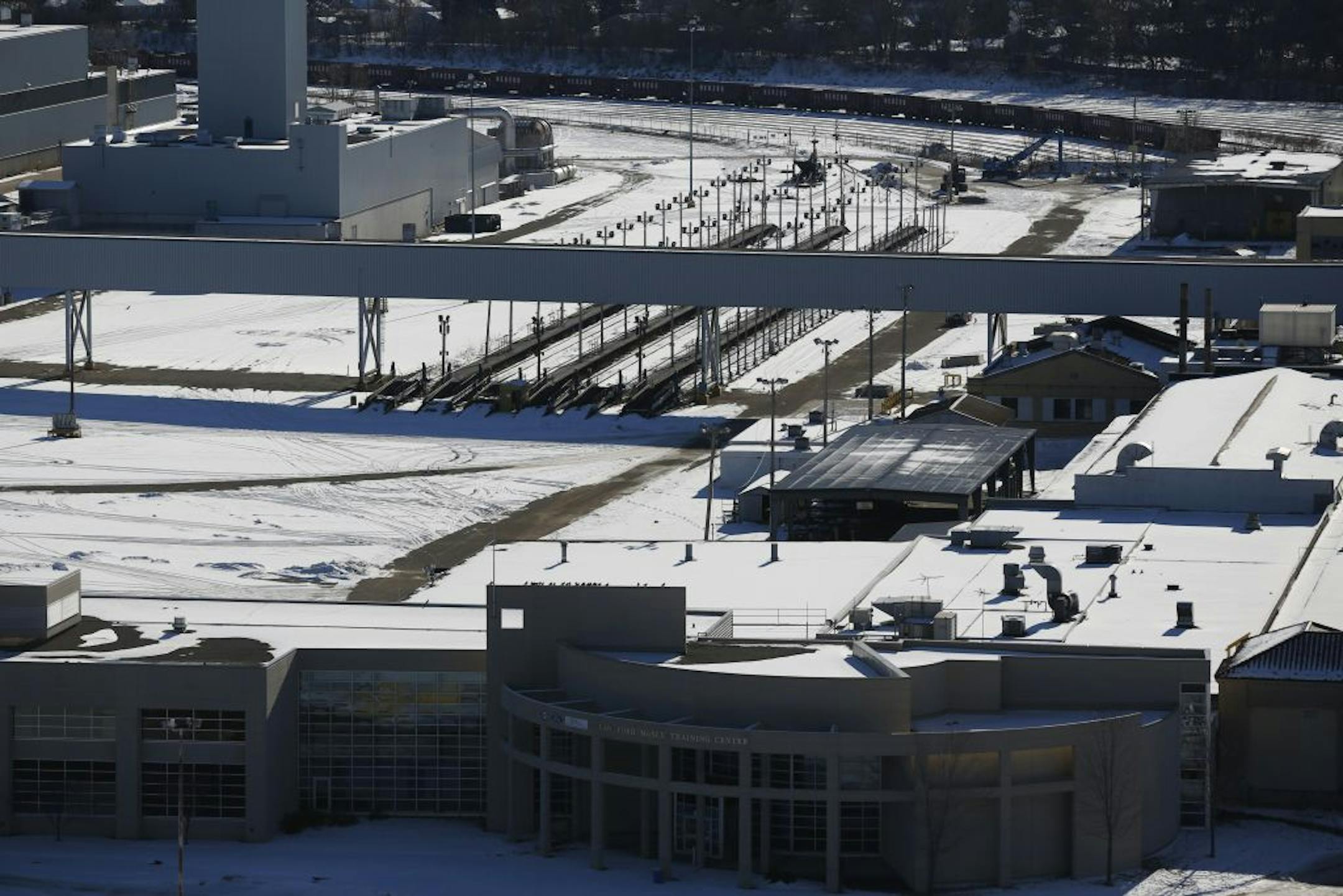
The 122-acre site in the Highland Park neighborhood, one of St. Paul's most desirable residential districts, is characterized as "an opportunity for redevelopment unlike any other in Minnesota" by the local real estate broker hired by Ford to market the site, given its proximity to housing, schools and shopping.
The Ramsey County assessor's office agrees, which is why it says it has assessed the value of the property since 2007 -- after Ford announced it would be closing the plant -- as a mixed-use development, following its standard practice of valuing property according to its "highest and best use."
However, in documents filed with the Minnesota Tax Court, Ford contends that other factors also should be considered to determine the property value for tax purposes. The property is zoned industrial, and the company says that's how it should be assessed -- at a lower value.
It raises the question, said Marc Manderscheid, an attorney representing Ramsey County in the case, "whether Ford is going to pan the property at trial when they're going to try to sell it for the highest possible use."
The dispute is expected to go to the state tax court for trial sometime in the next few months. A trial date was set for the case last fall, but had to be postponed when the assigned judge, Sheryl Ramstad, resigned in September. The case since has been reassigned to Judge Bradford Delapena.
The Ford site is one of several development possibilities that have emerged in recent months. From the Schmidt Brewery housing project on W. 7th Street slated for groundbreaking later this month to a proposed Wells Fargo consolidation in downtown Minneapolis, "people are sniffing around" for opportunities, St. Paul-based developer Jim Stolpestad said.
"The sense is that we've been on the upswing for the last couple years or so and the economy continues to stabilize and improve a little," he said. "Developers tend to be optimistic or they wouldn't be in the business."