

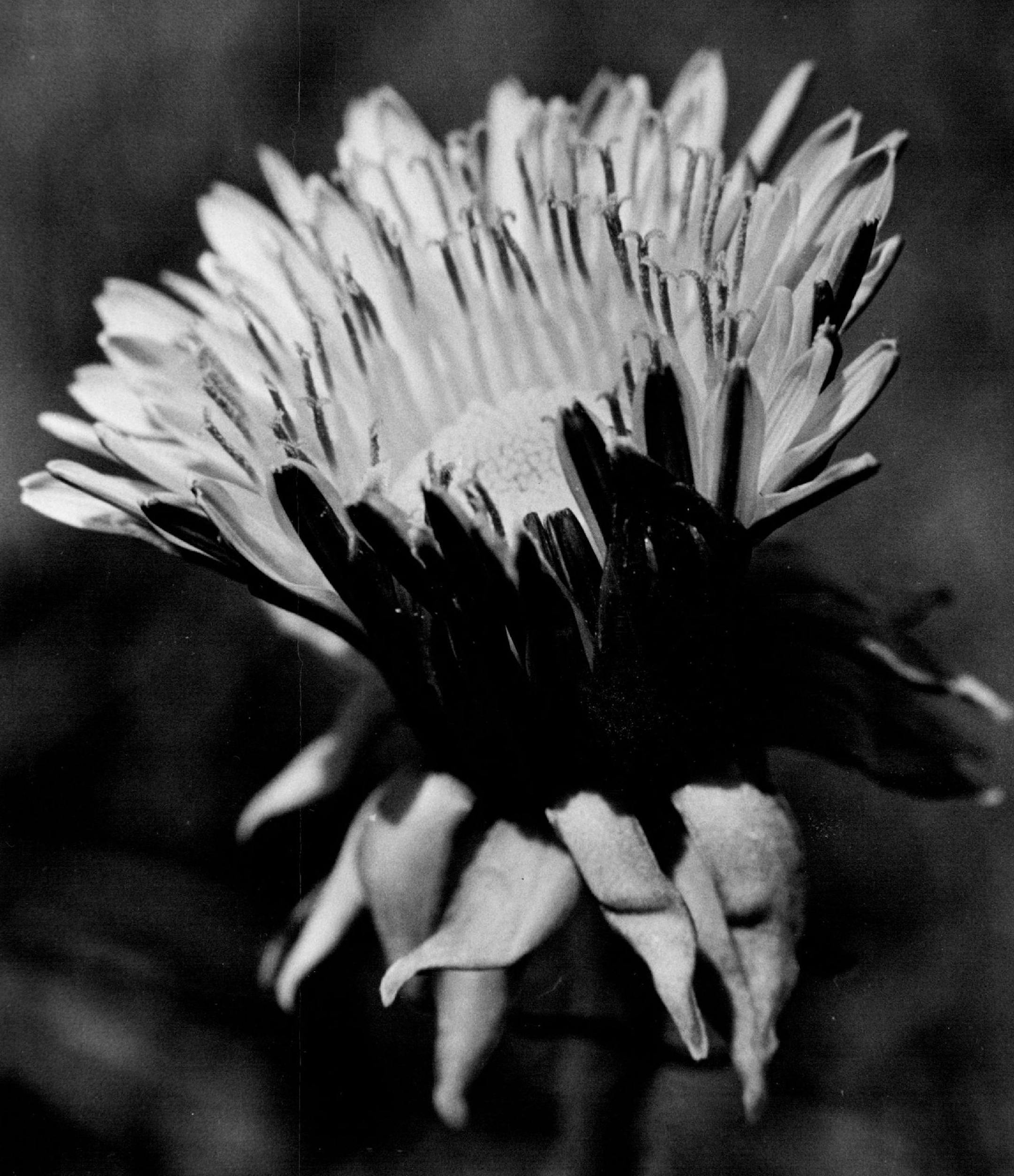
The cure to what ails you could be right underfoot. Maybe you step on it every day, or yank it from the cracks in the sidewalk. If you are a gardener or dream of a perfect lawn, you probably consider it your enemy. But if you seek an alternative to pharmaceutical salvation, or if you want to add a nutritious little kick to your salad, you don't need to look hard to find wild plants that have potent medicinal or culinary powers.
"It's a shame that we ignore these plants, or try to kill them. In earlier times, they were highly prized. People depended on them," said Minneapolis herbalist Lise Wolff. "In the spring, when food stores were low and people were sick and starving, the first wild plants of the season helped them recover before anything they could cultivate would appear. And plants were incredibly important medicine. Throughout history, every time someone was injured, they slammed a plant on the wound."
Plant remedies have been largely forgotten, Wolff said, and many people are skeptical about their powers, even though some plants bring about dramatic results — while others can be dangerous.
"People assume that if it's natural, it's good for you, but there are dangers to self-medicating with herbs. Plants can cause what they cure," she said, noting that proper dosage and application are key. "The job of the herb is to nudge the body to heal itself. Sometimes that involves stimulating hormones or the lymphatic system," which a registered herbalist can help monitor. But beginning foragers can safely enjoy numerous easy-to-find plants.
Earlier this month, Wolff scheduled an herb walk through Minneapolis' Riverside Park with her herbology students at nearby St. Catherine University, but she ended up stopping the class about 10 feet from the building instead. Turns out, there were plenty of noteworthy specimens popping up uninvited in campus flower beds, giving Wolff enough material for the whole lecture. She pointed out yarrow (it stops bleeding), dandelion ("it has 50 times the nutrients of kale"), violet (a lymphatic remedy and salad ingredient), wood sorrel (rich in vitamin C) and plantain, which soothes burns and insect bites. Everybody had some bug bites by the end of the lecture, so the students enthusiastically applied the plant to their skin. I was tagging along so I tried it, too; I'd burned my hand on an oven rack earlier that day.
Minnesota's bounty of herbs
Wolff forages most of the plants she uses in her practice, as do many other herbalists in the area. "Plants tend to show up where they are needed," she said. "There's no reason to import herbs from China. Hundreds of amazing things grow in Minnesota."
Chris McPadden, a Carver-based herbalist with Birch Bark Botanicals, forages everything he needs on his property in the Minnesota River Valley. He first learned about wild plants as a child from his Ojibwe grandmother. They foraged mushrooms, honeysuckle, ramps, berries and fiddlehead ferns on the family farm near the town of Norwood Young America.
Fall is a great time — and your last chance — to check your back yard and neighborhood for Minnesota's wild harvest. Tasty, anti-oxidant-packed mushrooms pop up in autumn. Many plants that go dormant during the summer, such as dandelion, make a resurgence now, taking on a sweeter flavor thanks to the cooler temperatures. It's also the perfect time to gather herbs for drying. Just as you might bring in culinary herbs to dry from your garden, raspberry leaves and nettles can be collected and dried for tea. A few fruits are ripe now, such as elderberries, used in cold and flu remedies.

