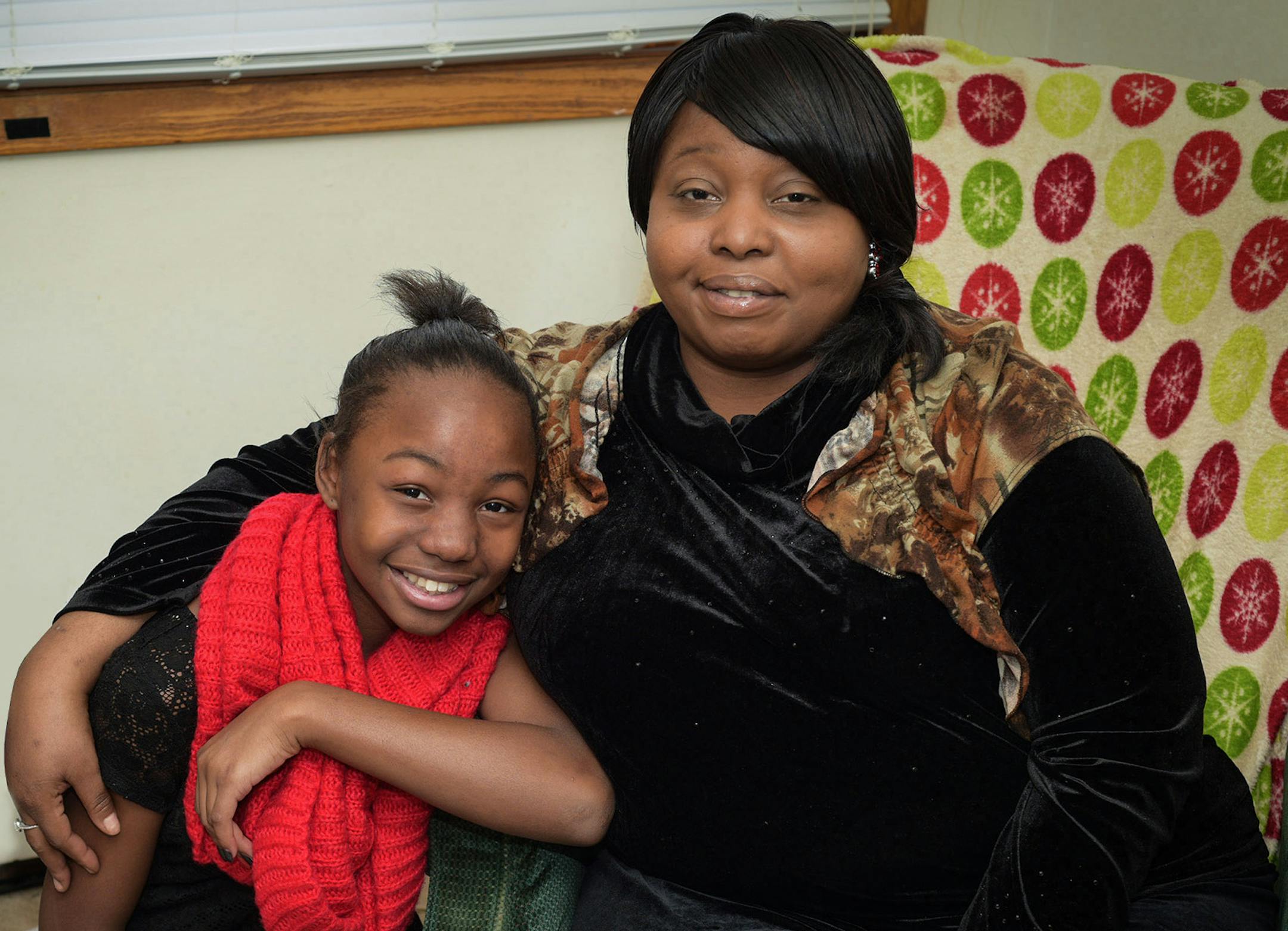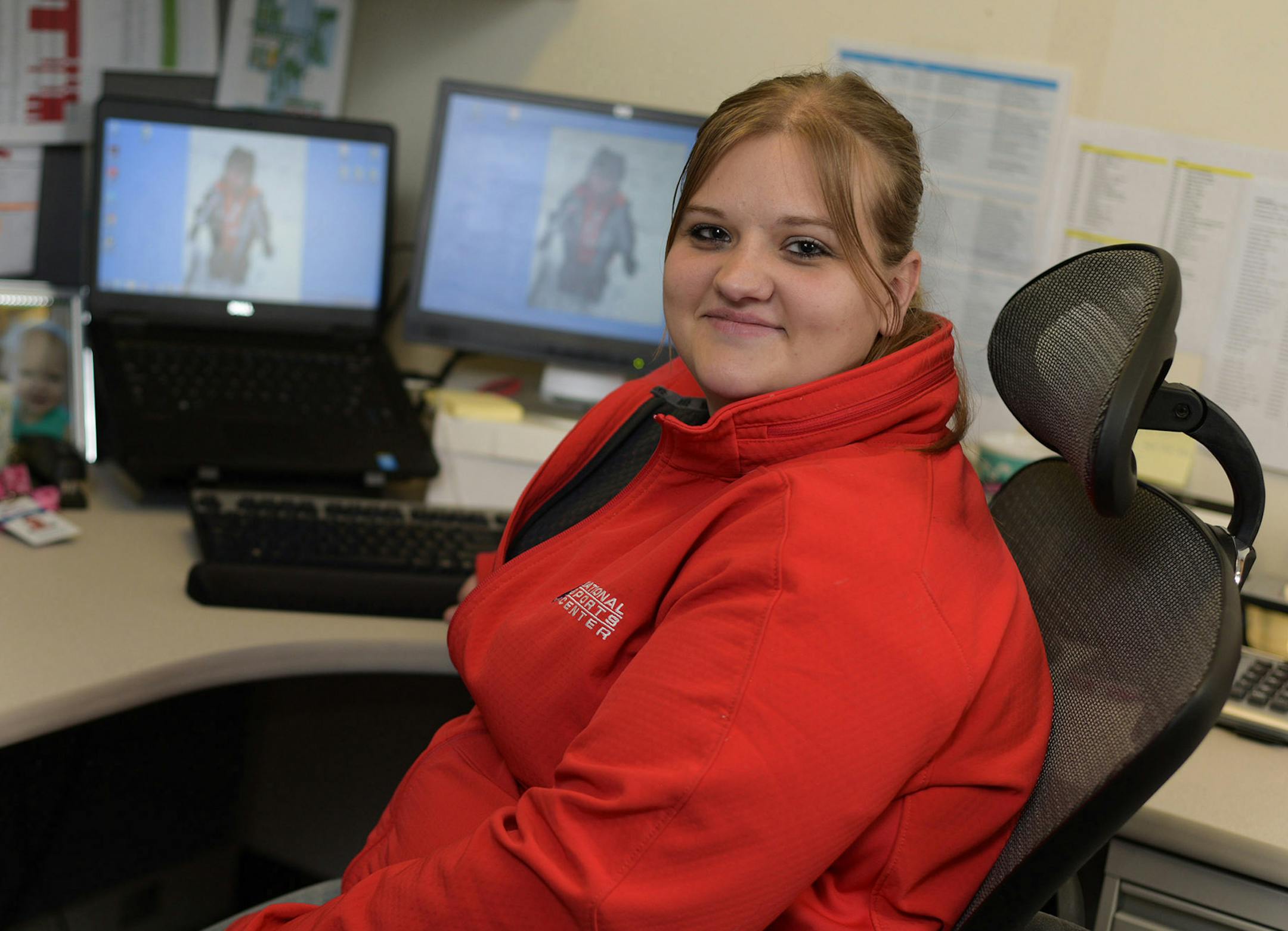
Regina Wilson and Samantha Raines are Anoka County moms who were homeless at various times in 2014 and 2015. Yet they find themselves, as 2016 begins, not only with good jobs at last, but also with some pretty clear ideas about how they might advance next in their new careers.
Wilson, 40, enjoys her work at an assisted-living facility for the elderly in Columbia Heights, earning better pay and benefits than she's ever had. She also has a beginning foundation of five college credits, on which she intends to stack more. She declares: "I'm in love with health care and I love helping people."
Raines, 25, is beginning to thrive as an administrative accounting assistant for the National Sports Center in Blaine. She is earning more than $30,000 a year, half again as much as she was paid in a series of entry-level jobs for big-box retailers. She's already thinking about the next rung, relieved to be self-sufficient.
Wilson and Raines are justly proud of their own pluck and hard work in overcoming adversity. But they agree that they almost certainly would not be in this happier place were it not for Anoka County's innovative Career Connections program. It's one of dozens of programs emerging in Minnesota as examples of a relatively new "Career Pathways" model — a holistic approach that braids together existing services and funding, combines specialized occupational training with more basic adult education and college credits, blends in social services support, and partners closely with local business organizations and employers.
These new Career Pathways models emphasize working fast to show immediate results, meeting the pressing needs of prospects and putting them in the right jobs at the right level. Raines and Wilson express amazement at the fact that they got through their programs and into their new jobs in a matter of months, after years of frustration trying to get ahead through more conventional avenues.
There's a moral to their compelling stories of overcoming odds to find a pathway — a moral for the 2016 Minnesota Legislature, and for all employers and policymakers who are looking for solutions to Minnesota's two biggest problems.
These problems would appear to be made for each other. The first is that Minnesota is home to tens of thousands of underskilled and underemployed adults, and the state suffers some of the nation's worst racial disparities in workforce outcomes. The other big problem, as our economy continues to recover and grow, is a labor shortage driven by a mass wave of baby-boomer retirements and an economy that increasingly requires specialized skills and credentials.
Wilson was at her wits end just a year ago, living in a shelter in north Minneapolis with her daughter LaShae, now 12, who was feeling threatened at her school and unsafe in their neighborhood. Wilson had worked in various health-care settings and had received some training for the field from her church, in which she had been very active when she lived in Chicago. But she had no actual college credits or credentials that satisfied employers and could not qualify for jobs that paid a livable wage. She was working part-time for a department store chain.