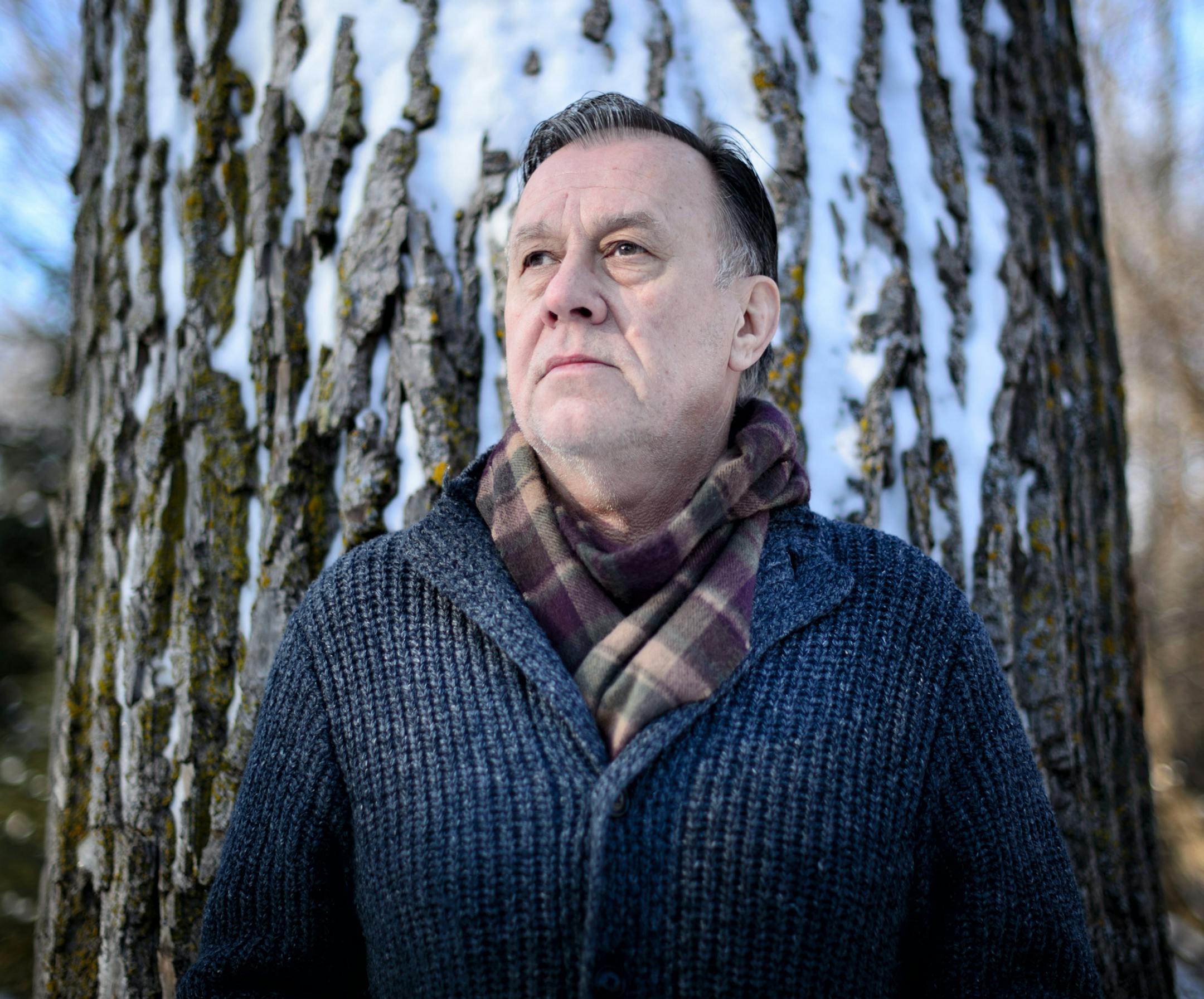
Three years have passed since John Souter stumbled out of his office with bullet holes in his chest.
But all it takes is a sound, a scent, or the stress of being in a crowded room for the worst moments of the worst day of his life to come rushing back: He's wrestling with the gunman at Accent Signage, his hand wrapped around the gun barrel until a shot nicks his finger and his grip slips. He's on the floor, dazed and bleeding, hearing the gunshots and the eerie silence that follows.
"I go through that scene in my mind four or five times a day, at least," said Souter, now 66 and still recovering from the bullets that damaged his right lung and turned him from an avid runner into someone who struggles for air if he tries to run half a block.
From Sandy Hook to San Bernardino, hundreds of Americans have fallen victim to mass shootings since the attack on Minneapolis's Accent Signage Systems on Sept. 27, 2012, fueling an ongoing and intense debate over gun violence.
In the aftermath of those shootings, much of the focus is on those who died — seven lives ended at Accent that day, including that of the shooter, who was in Souter's office because he was about to be fired. But for the survivors, the grief and horror of what they saw and heard last long after the eulogies end, the flowers wilt and the news cycle moves on.
"I would like to get in front of Congress and tell them what this is like, and challenge them," Souter said. "Because people need to stand up for other people. Survivors must stand up for survivors."
'He's got a gun!'
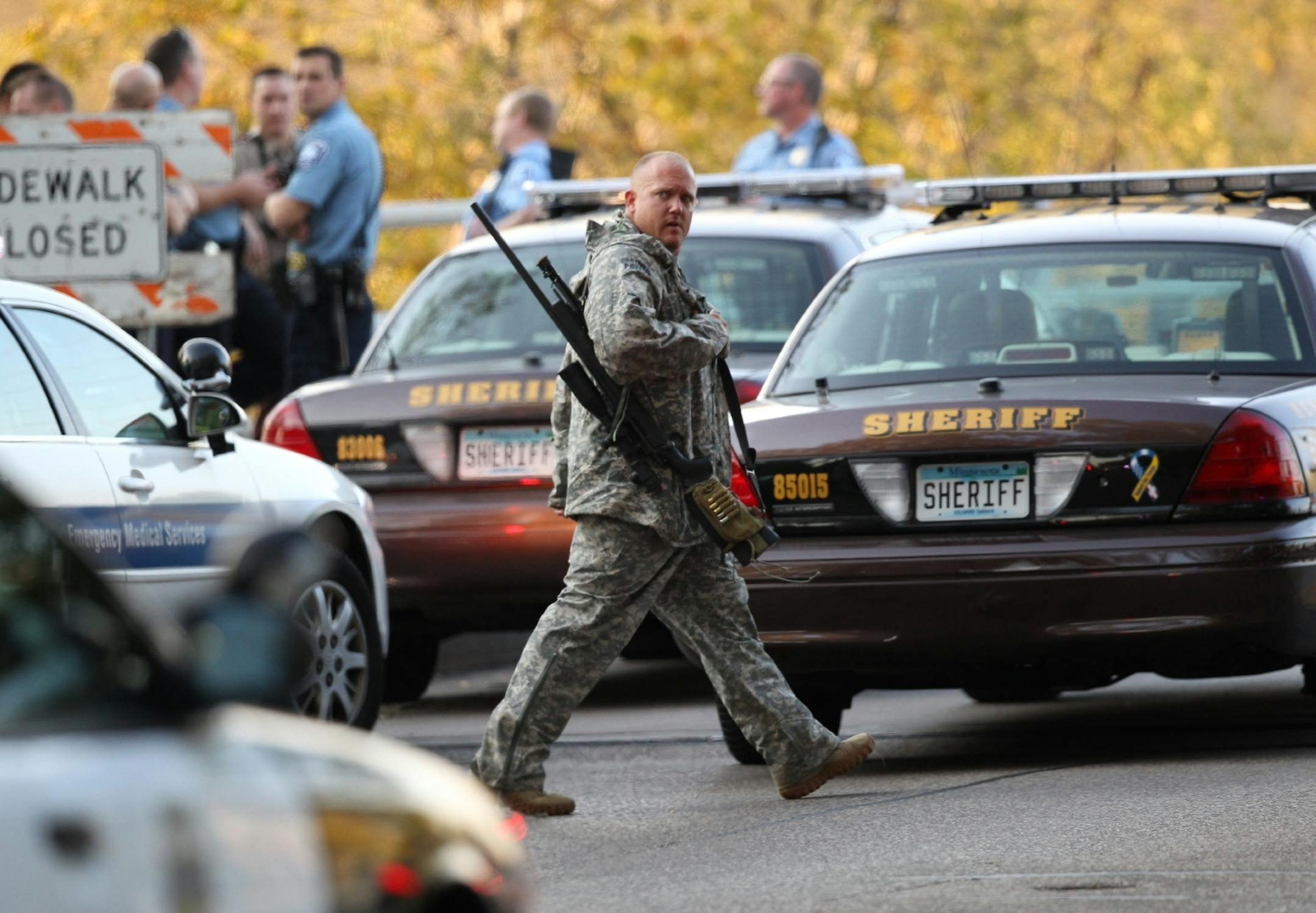
Souter credits his survival to the Minneapolis police and the unarmed firefighters who rushed into peril that day. Without their courage and their training, he said, "I would not be here. They most likely saved my life, getting me to hospital so quickly."
Mingled with gratitude is regret, as he replays the scene in his mind and wonders what-if.
![A family members of Ron Edberg consoled his son Dusty in front of the memorial made for the victims in front of Accent Signage Systems in Minneapolis, Min., Saturday September 29, 2012. Edberg was one of the employees that lost his life Thursday at the hands of Andrew Engeldinger. ] (KYNDELL HARKNESS/STAR TRIBUNE) kyndell.harkness@startribune.com](https://arc.stimg.co/startribunemedia/TC6LQB5FEDJCCN2B32SDDXNX7U.jpg?&w=1080)
![John Souter was badly wounded during the Accent Signage shooting in 2012. He talked about what's it like to survive a mass workplace shooting. ] GLEN STUBBE * gstubbe@startribune.com Tuesday, January 5, 2015](https://arc.stimg.co/startribunemedia/6UWX7J5KMV6MRL2EP3R6AFK3FI.jpg?&w=1080)