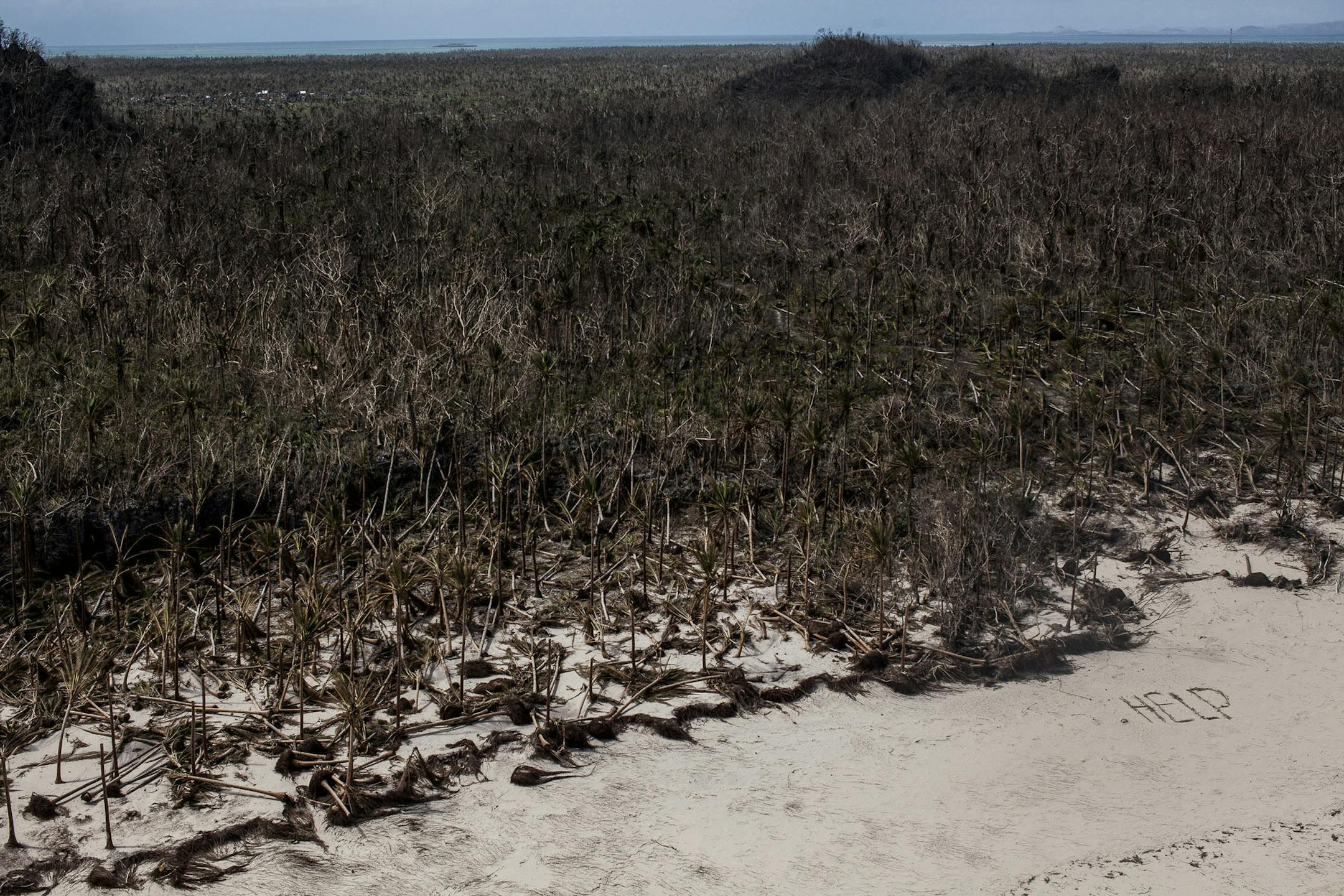
TACLOBAN, PHILIPPINES-- At a typhoon refugee center on Samar Island in the Philippines, the traumatized children have slowly begun adjusting to their new normal.
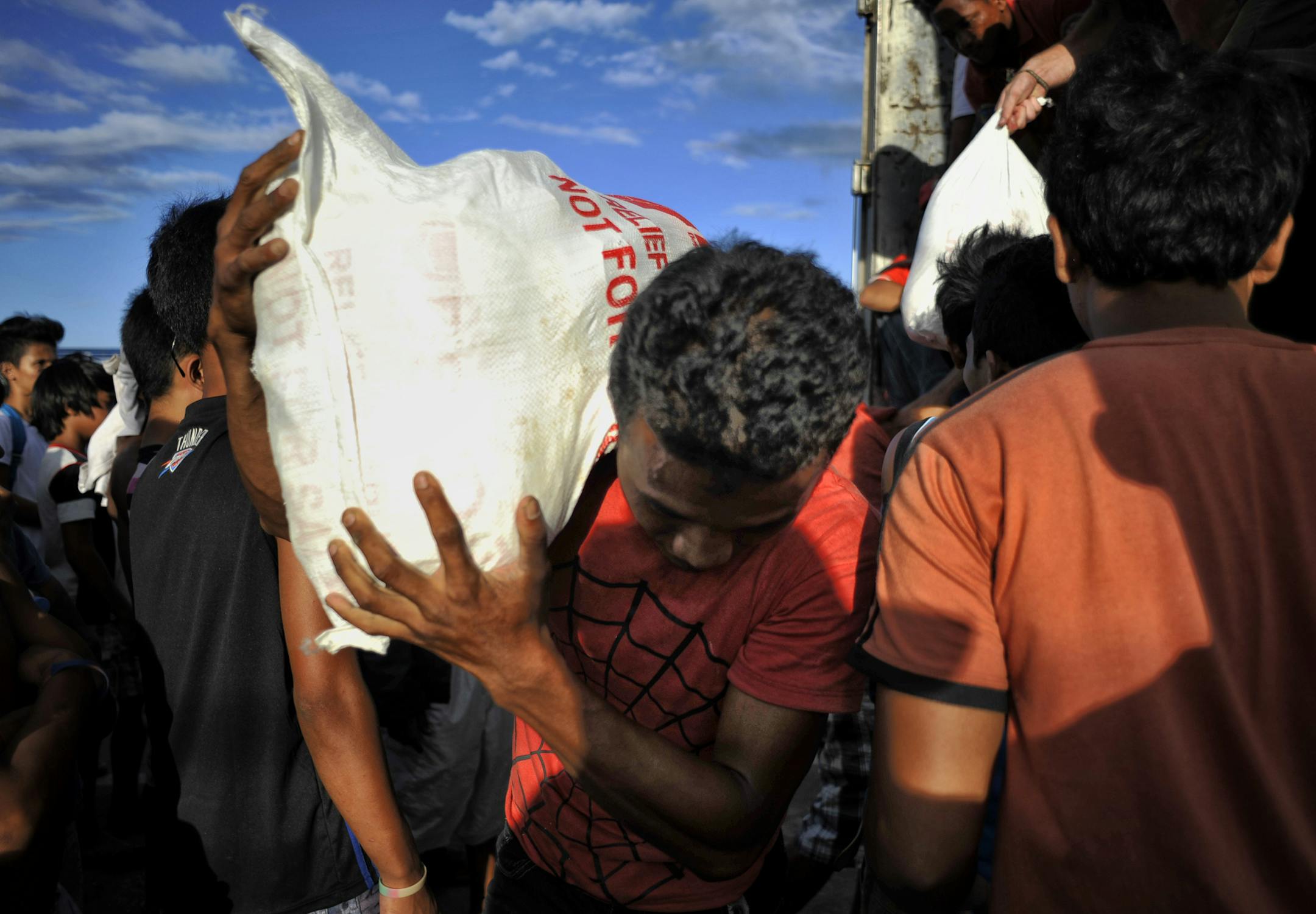
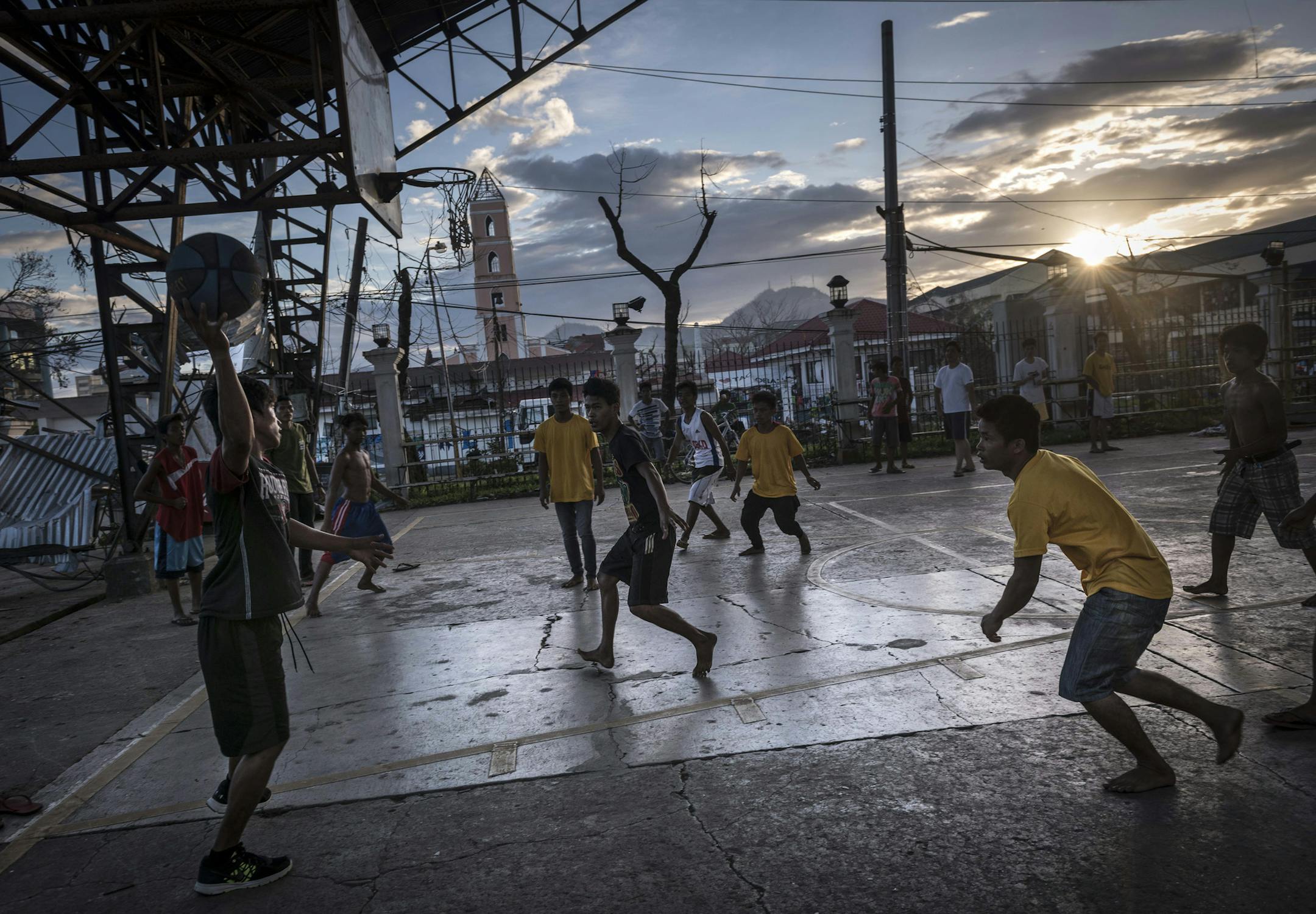
As their parents fret about the future, the children devised a minimalist version of dodge ball, pelting each other with sandals in the absence of balls that got swept away with so much else in Typhoon Haiyan. And when soldiers and aid workers arrive with provisions, the children spend their time loitering nearby — poking them, giggling and asking questions like "What is your name?"
But despite the signs of resilience, social workers and parents say the children are newly vulnerable — a reality the Philippines will need to deal with as it stumbles through a flawed relief effort that has failed to provide basics such as food and medicine fast enough. After the immediate needs are met, the country will still be left with challenges that include rebuilding schools and helping children, some of them orphaned, recover emotionally.
"The children you see, yes they are playing, yes they are laughing," said Manneth Catina, 25, a social worker in the hard-hit city of Tacloban on nearby Leyte Island. "But because of the difficult situation, deep down inside they still have fear."
Of the estimated 13 million people affected by the storm, 5 million are children.
In Tacloban, Gloria Macabasag tells of leaving her three children in the care of her sister-in-law at an evacuation shelter while she and her husband tried to protect their home during the storm. It was destroyed, but they survived by climbing to a second floor. Immediately after the waters subsided, they ran back to the shelter at the Rizal Central School downtown.
"The kids were crying and looking for us," Macabasag said. "It looked like they were traumatized."
Social workers have told Macabasag to encourage her children to keep playing and to write and draw to express their feelings about the storm. When she asks her 5-year-old son, Jose Luiz, about what happened, she said, he just cries.