1:56
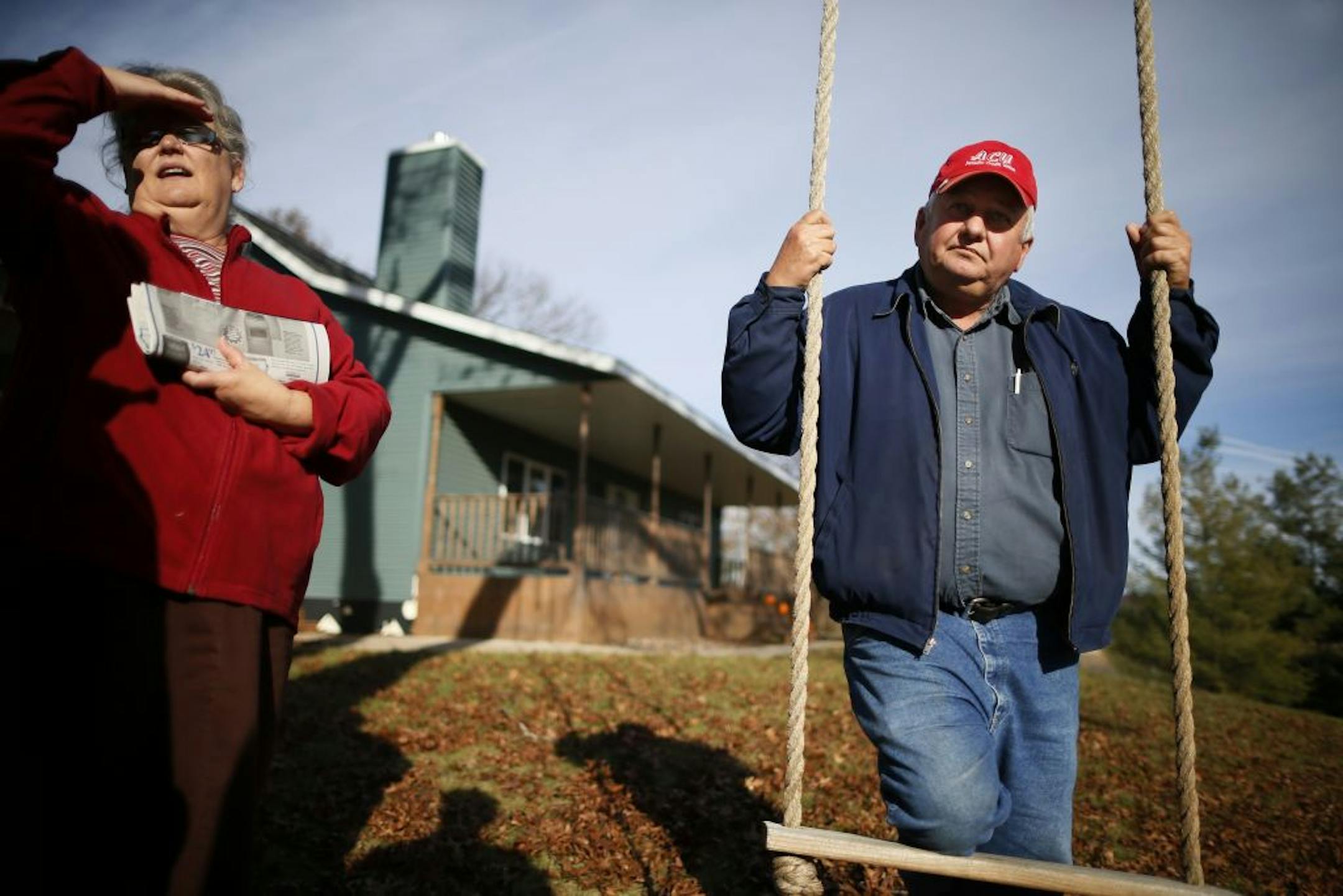
1:56BLAIR, WIS. -- Lou Ellen and Jim Frei spent 40 years as hardscrabble dairy farmers, cussing the sandy soil that gave them and their tractor such fits.
Today they are finally breathing easy, thanks to that same gritty land. They just moved into a new one-story house on Sjuggerud Coulee Road. Now they don't have to worry about climbing their old farmhouse stairs on knees made sore by milking cows.
Once so poor they couldn't afford new shoes when their daughter started school, they now have more than $550,000 in the bank.
"We've even got a Jacuzzi tub now," said Jim, 66, chuckling about their sudden change of fortune.
Two years ago, the Freis sold that sandy farm to a mining company.
It's a story playing out across the Sand Country of western Wisconsin and southern Minnesota, as mining companies snap up farms and pastures to dig the round silica sand coveted by oil and gas companies for the drilling technique known as "hydro-fracking." As American oil and gas production soars to new heights, here, amid rolling hillsides and Amish farms, families such as the Freis -- and countless others -- are being swept up in the global energy game.
While they count themselves fortunate, the Freis acknowledge some heartache. They get envious glares from neighbors who were hay-baling partners for years. Some neighbors won't wave anymore as they pass on country roads.
"This has become a very divisive local issue, with some people becoming quite wealthy in what used to be a tough rural farming area," said Tom Woletz, who tracks frac sand mines for the Wisconsin Department of Natural Resources.