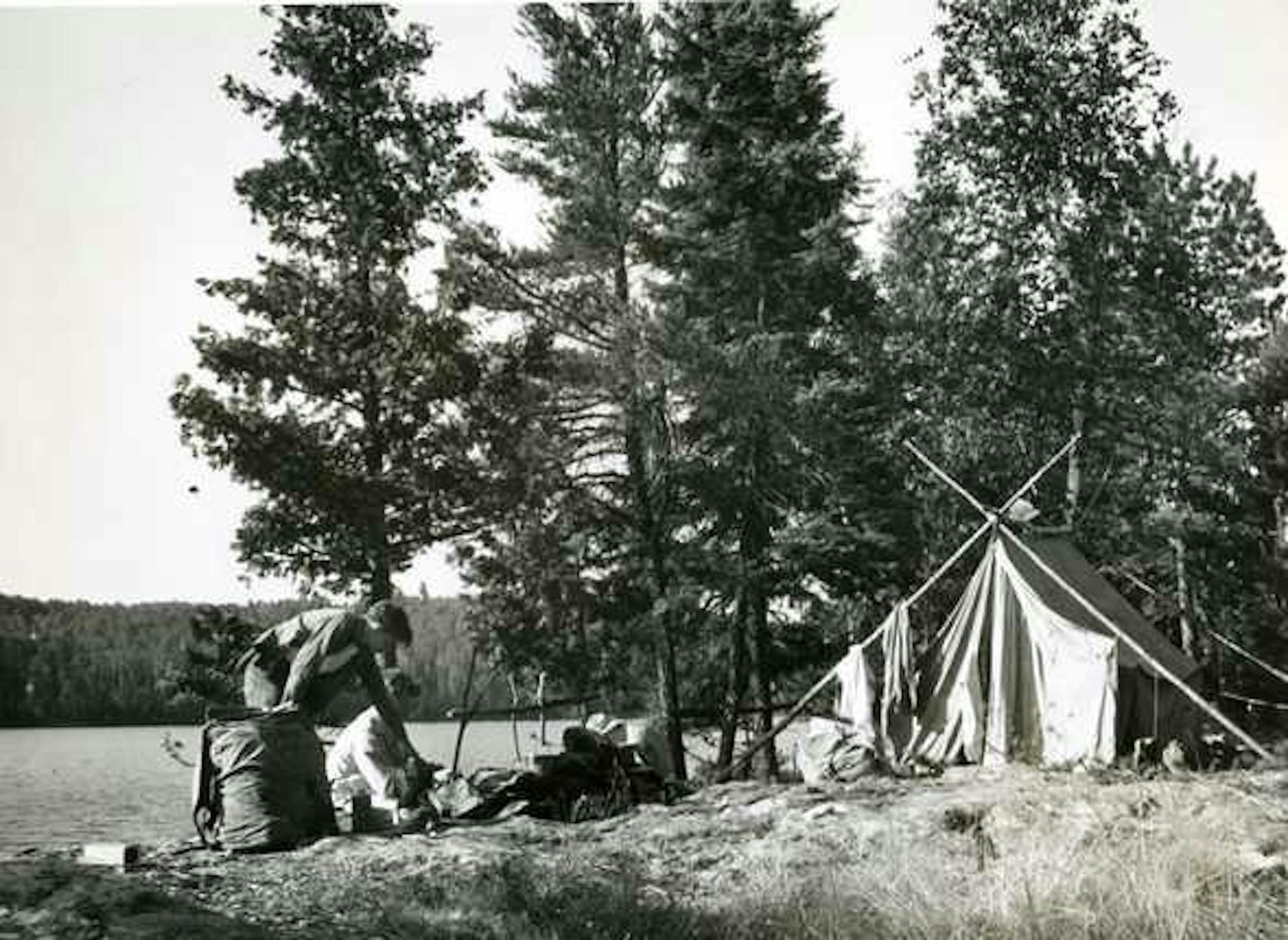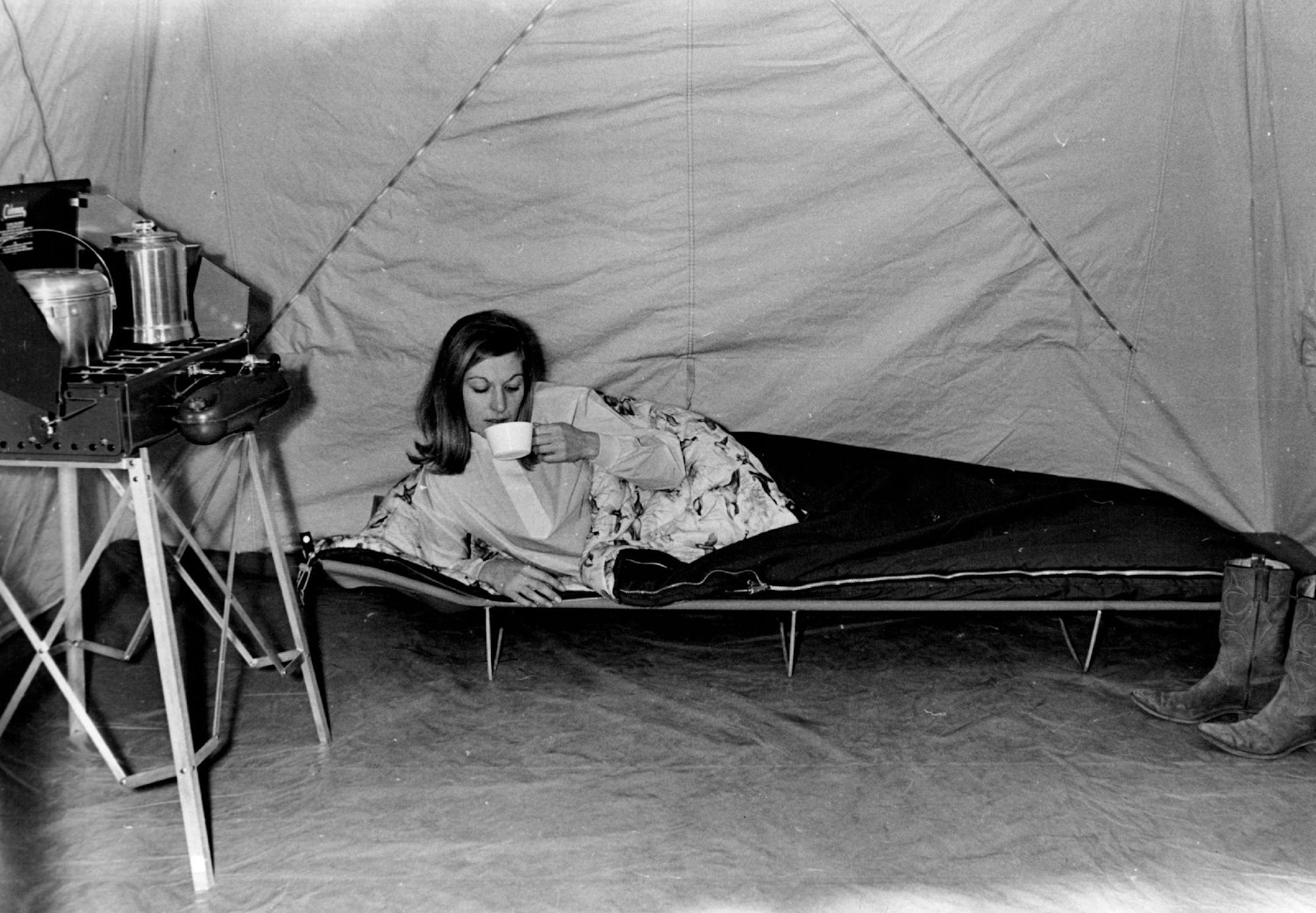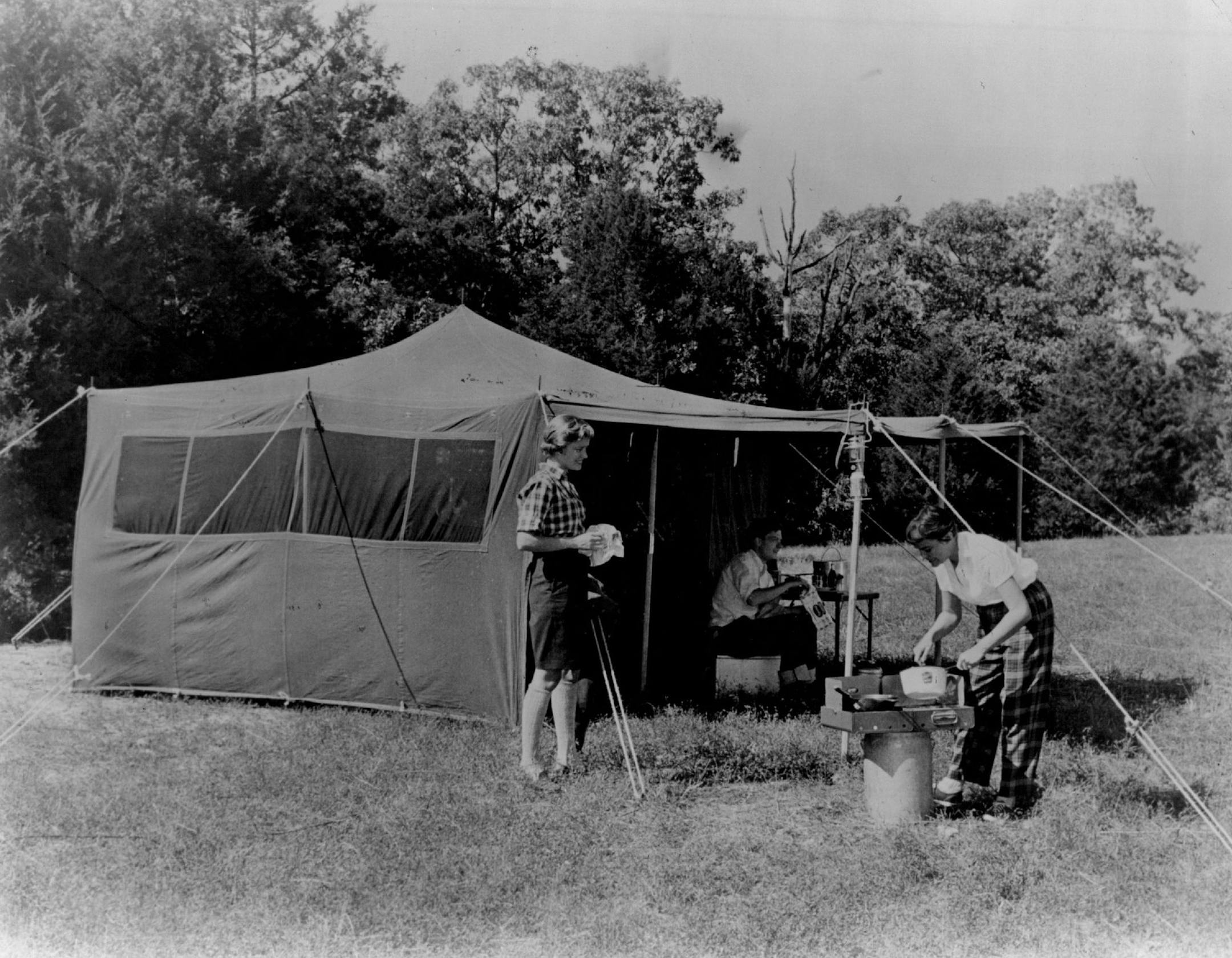
Humans have been sleeping under the stars in what is now Minnesota for thousands of years.
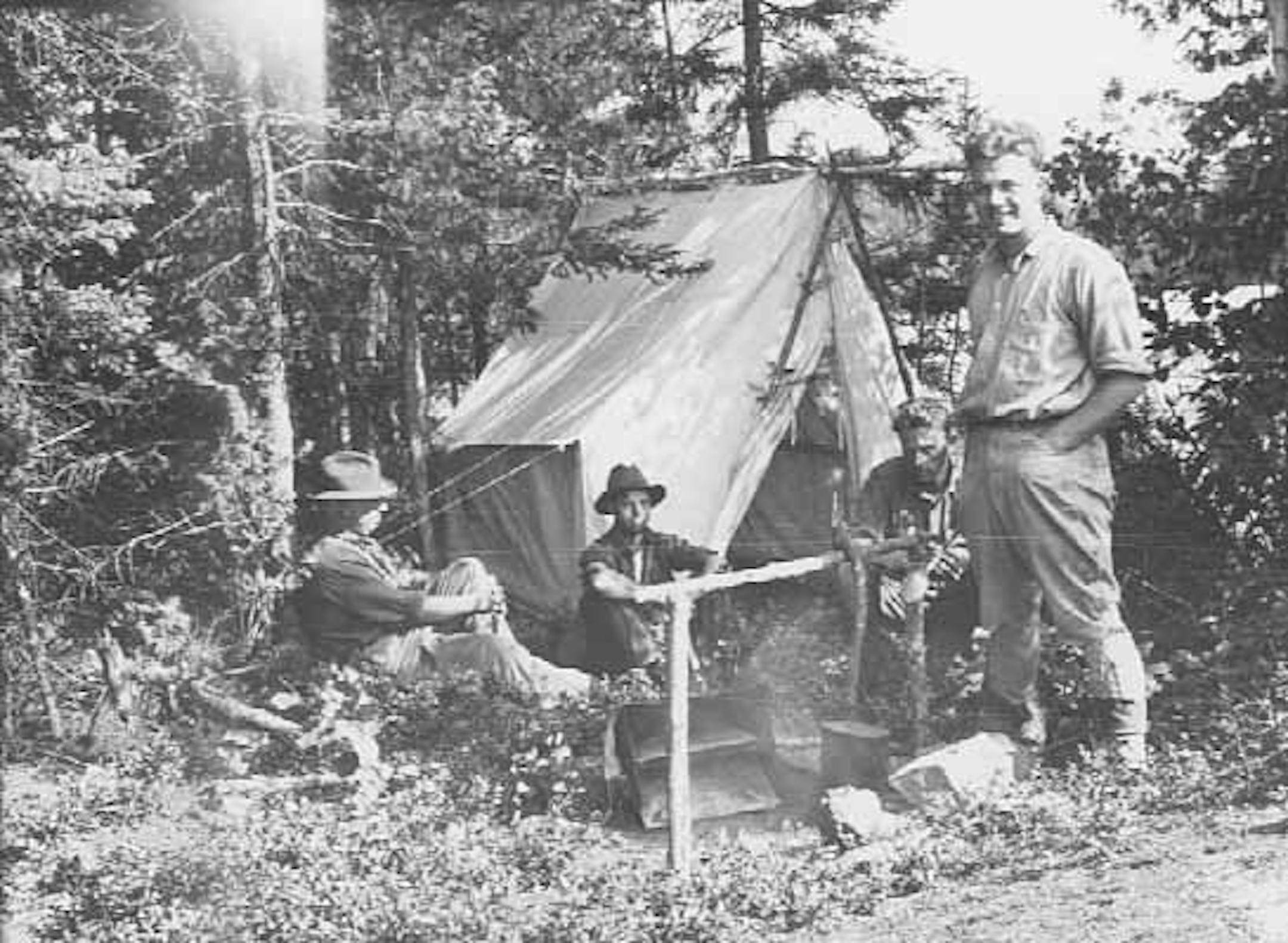
Of course, in the early days, "camping" wasn't done for fun. It was survival.
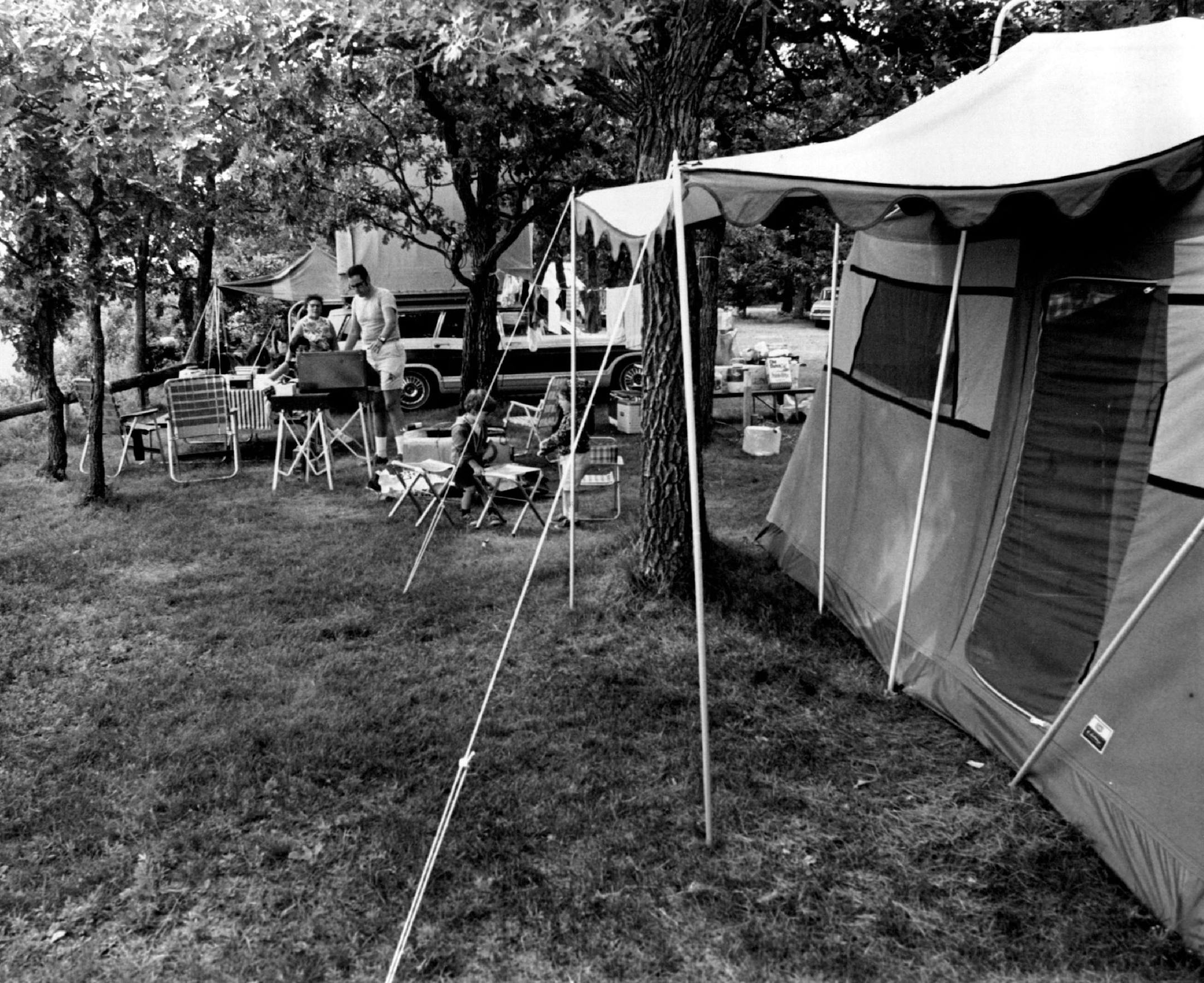
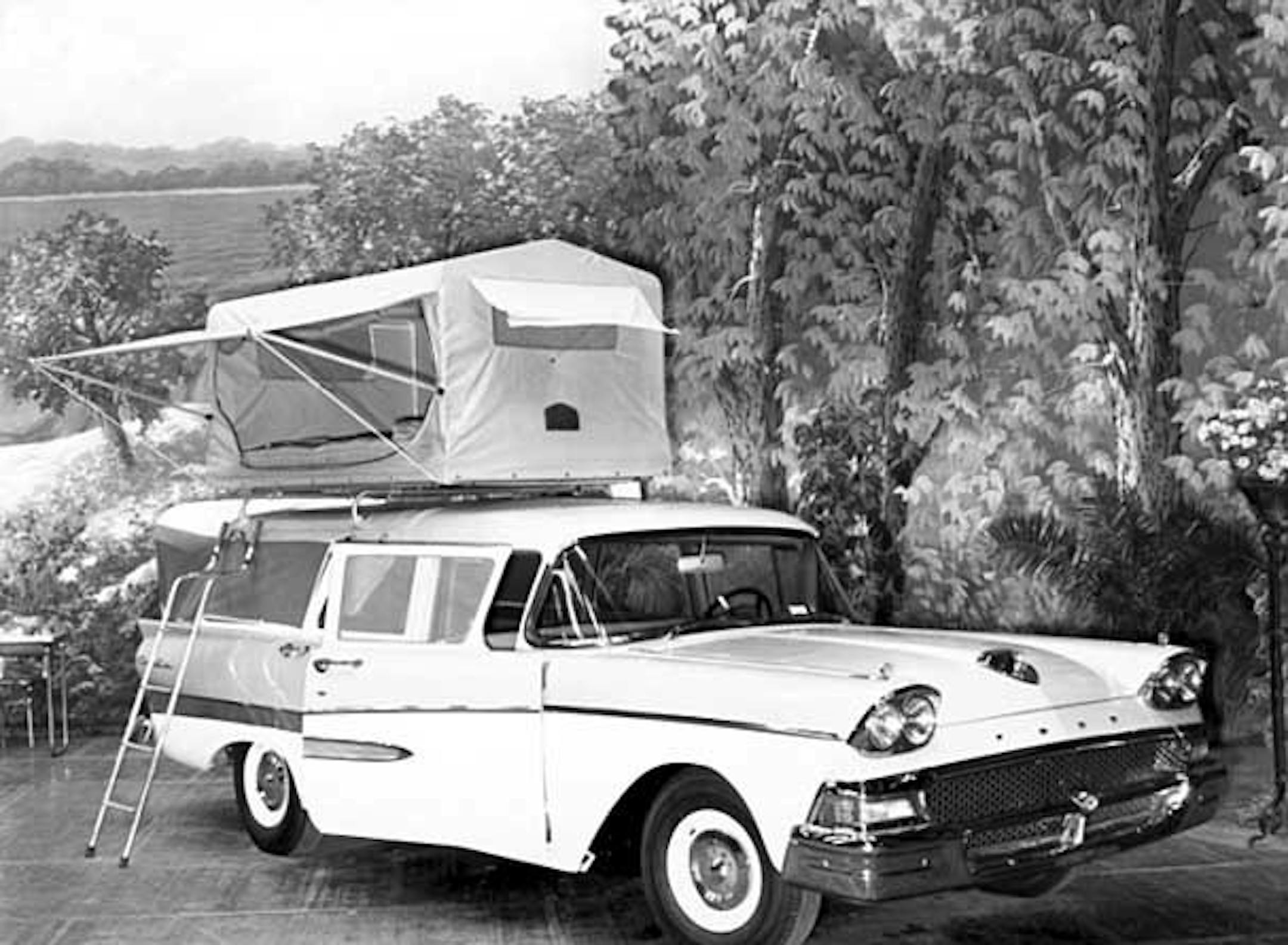
But soon after European explorers mapped the region, people started camping for pleasure. We've been sleeping outdoors for recreation since the mid-1800s, and although the equipment and means of getting to campsites have changed dramatically, camping itself hasn't.
Today's campers still stir crimson campfire embers with a stick, listen to owls hoot-hoot-hoot in the darkness and gawk at a coal-black sky splattered with stars — just as early campers did nearly 200 years ago.
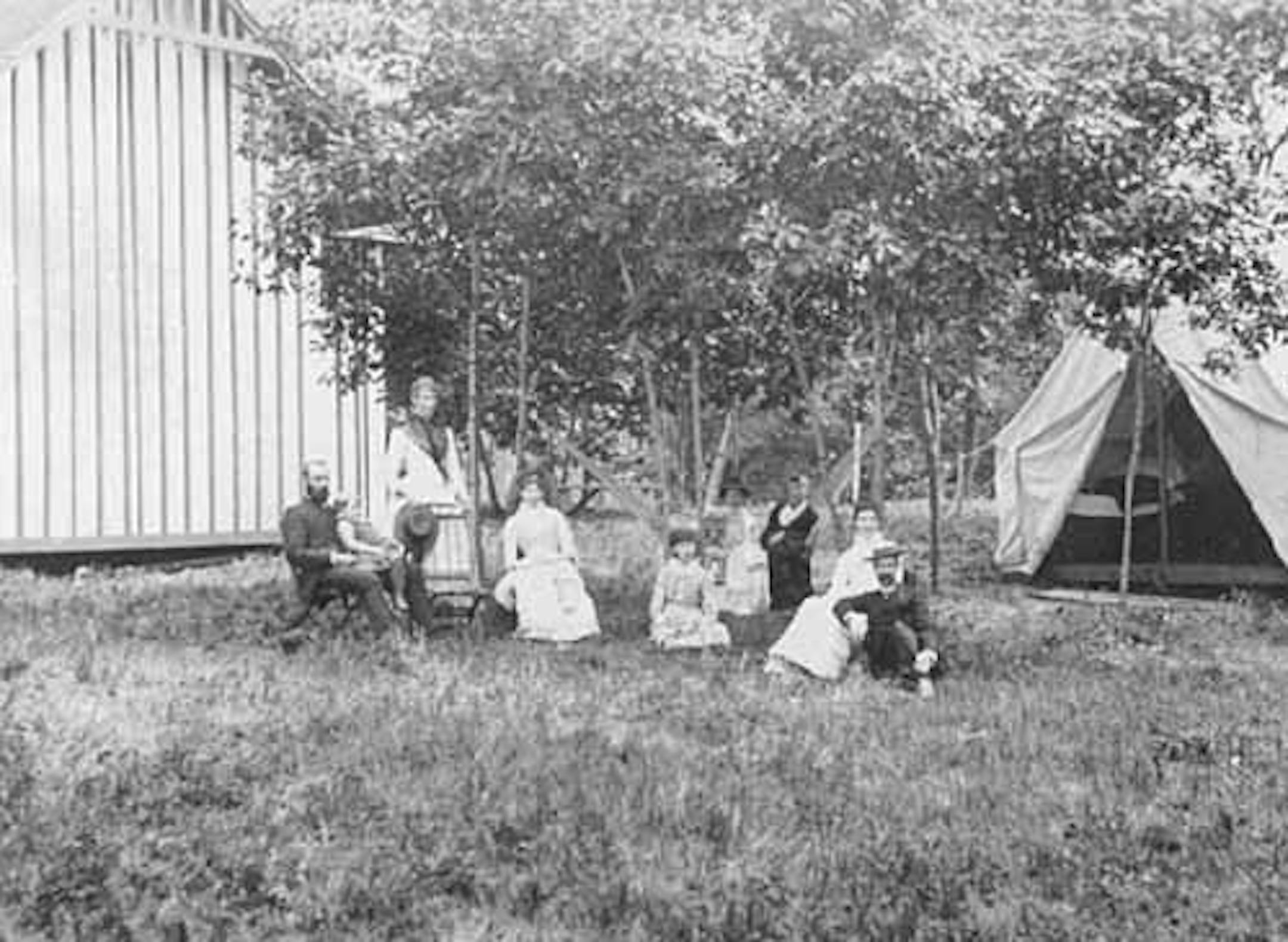
"Exploring eventually became camping,'' said Pat Coleman, 62, an outdoors enthusiast, camper and acquisitions librarian at the Minnesota Historical Society. The society's Minnesota History Center in St. Paul houses hundreds of photographs documenting Minnesotans' long love affair with camping, such as the one from 1895 showing campers decked out in suits and dresses near their canvas tents at White Bear Lake (see Page OW2).
Nowhere is the lore of camping and the outdoors stronger than Minnesota, Coleman noted, where authors including Sigurd Olson and Calvin Rutstrum helped spread the fever, and outdoor gear peddlers such as Gokey's and Herter's sent campers into the woods fully equipped.
"It's a ubiquitous part of Minnesota's culture,'' Coleman said.
The entire country embraced the new recreation. President Chester Arthur took a camping tour of Yellowstone National Park, the nation's first, in 1883.