The young Somali patient had received attentive, proper treatment and had "a very good shot" at surviving her case of hepatitis, according to the doctor who saw her last year at the University of Minnesota-Fairview Medical Center.But when she was offered a new liver, despite the best efforts of a Somali interpreter, her family had too many questions that couldn't be answered.
Less than three weeks after refusing an organ transplant, the 32-year-old woman died.
Nearly 700 Minnesotans have died for want of liver transplants in the last 15 years. But Dr. Mohamed Hassan, the physician who treated the young woman, thinks she needn't have been one of them.
Although her medical records suggest that "noncompliance" was an issue, Hassan said the real problem was a much broader gulf of trust and understanding that has kept many Somali immigrants from donating and receiving organs.
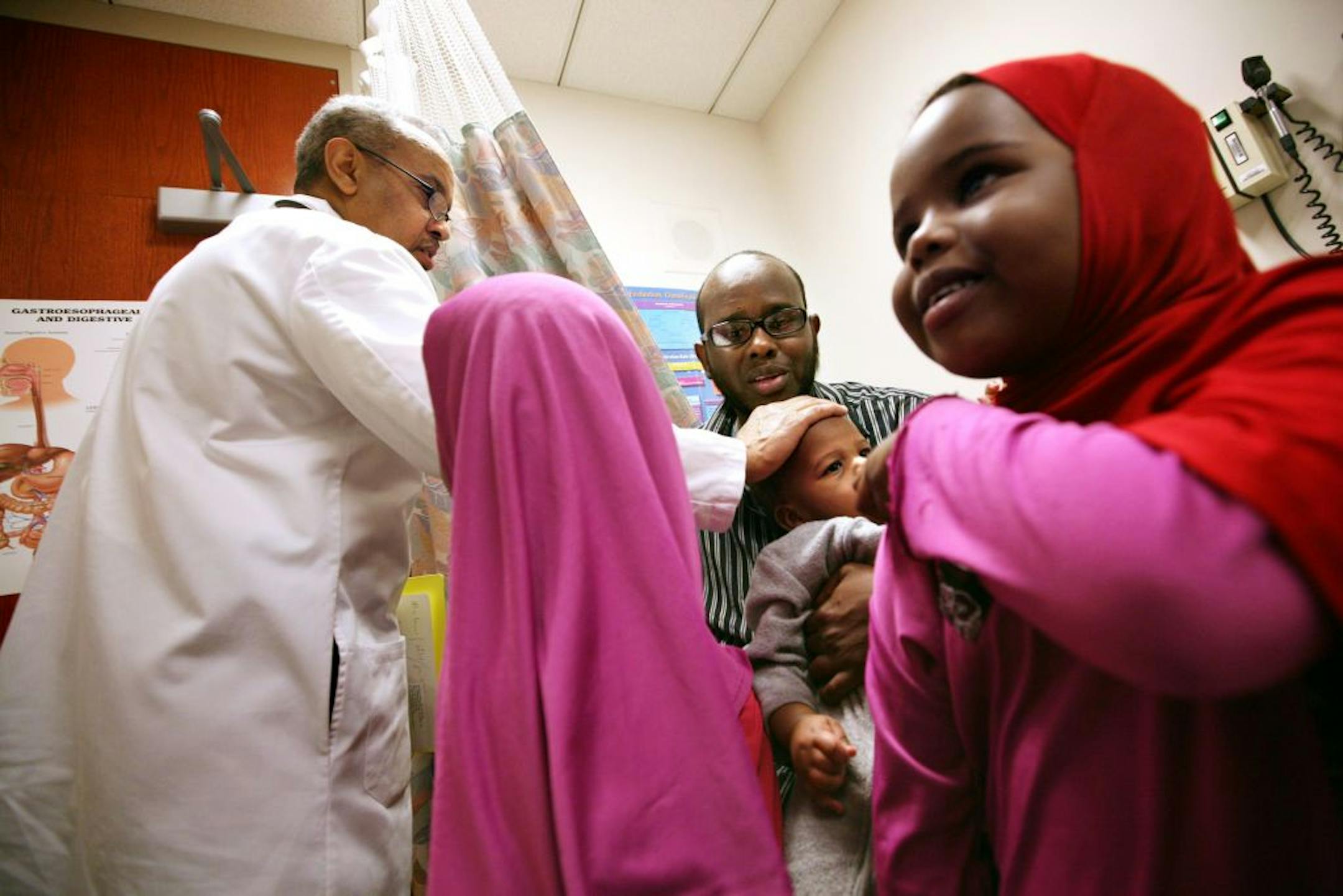
Hassan, a native of Somalia and now a gastroenterologist at the U, keeps the memory of the young woman with him as he works to bridge a troubling gap between Minnesota's large East African community and a medical community that is trying to serve it better.
In the 20 years since Somali refugees began arriving in Minnesota from their war-torn homeland, many have adapted quickly to the U.S. medical system, state health officials say. Having left a part of the world where infectious diseases can still be endemic, many are familiar with measles or polio and seek out vaccinations and other forms of preventive care.
But many others remain wary.
Organ donation may be the most dramatic example. Many Somalis believe that having a donor logo on their driver's license would make them the subjects of medical experimentation. Some believe it keeps doctors from trying their best to save patients so they can harvest their organs. Others cite religious beliefs about respecting and preserving the bodies of the deceased.