

Deer hunters who own property increasingly are managing it to benefit whitetails, namely to produce more deer, or bigger deer.
It's also true that working with land, as deer hunters, is a benefit unto itself. It's fun to do, and has the added benefit of extending the whitetail season to a year-round activity.
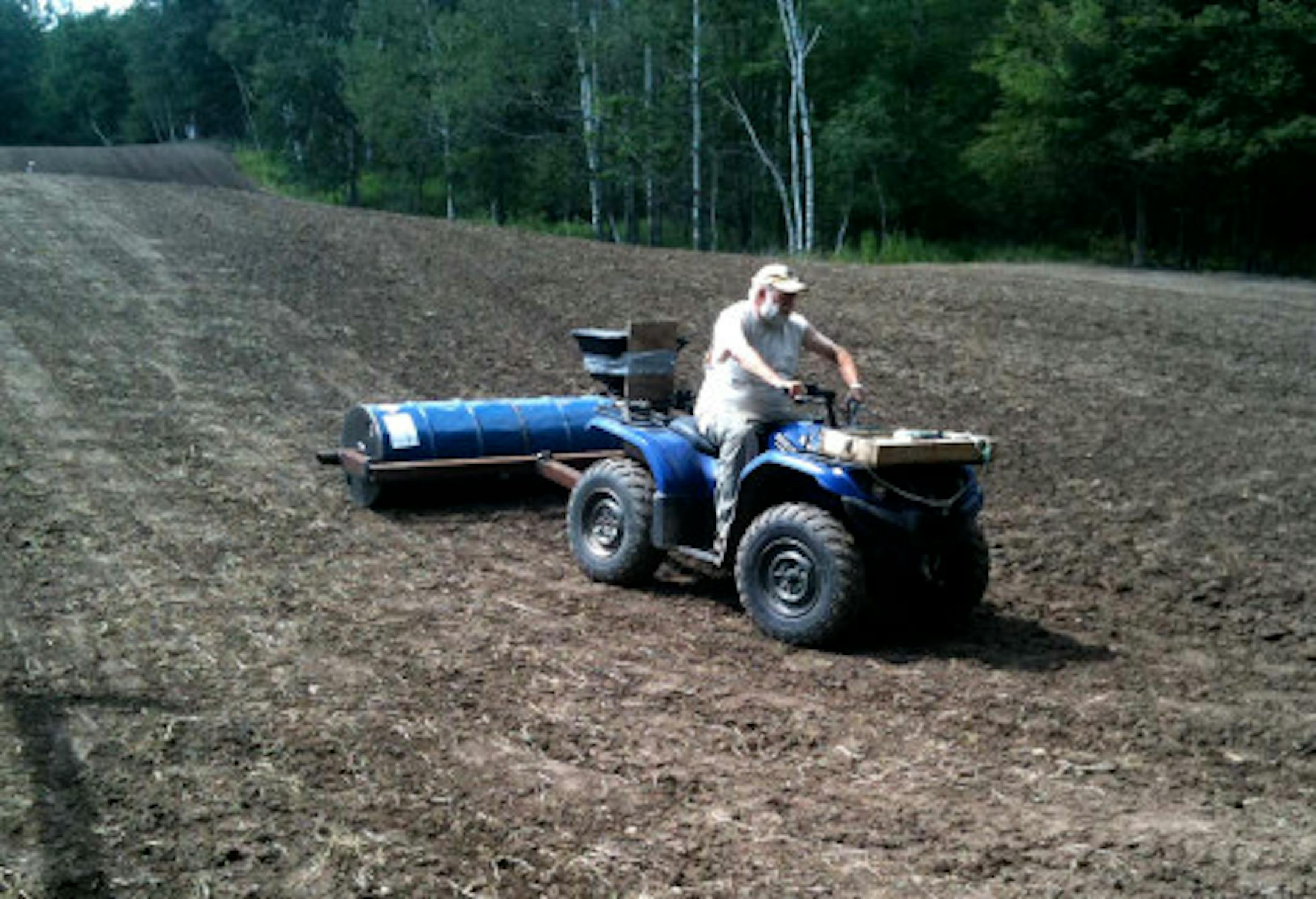
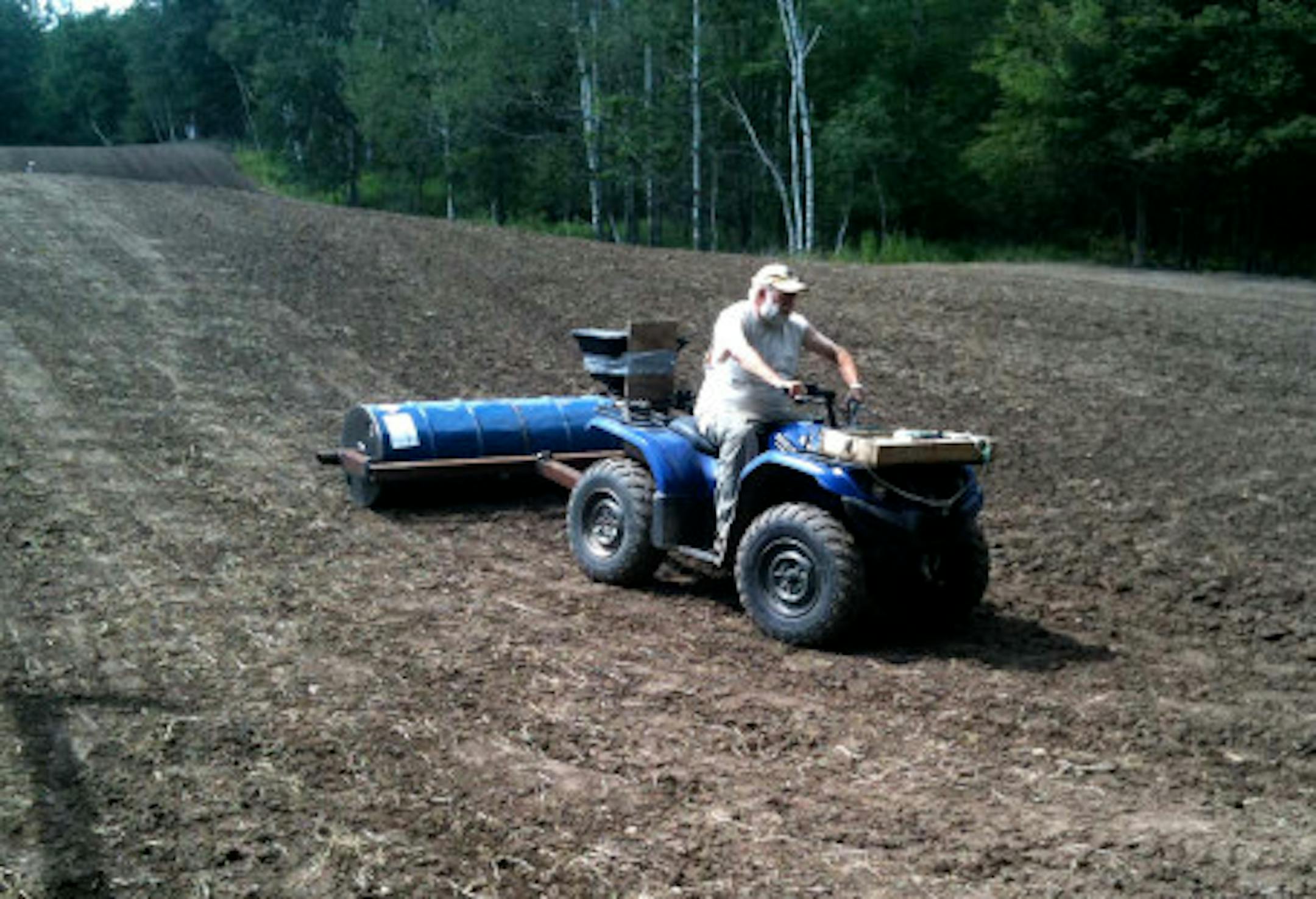
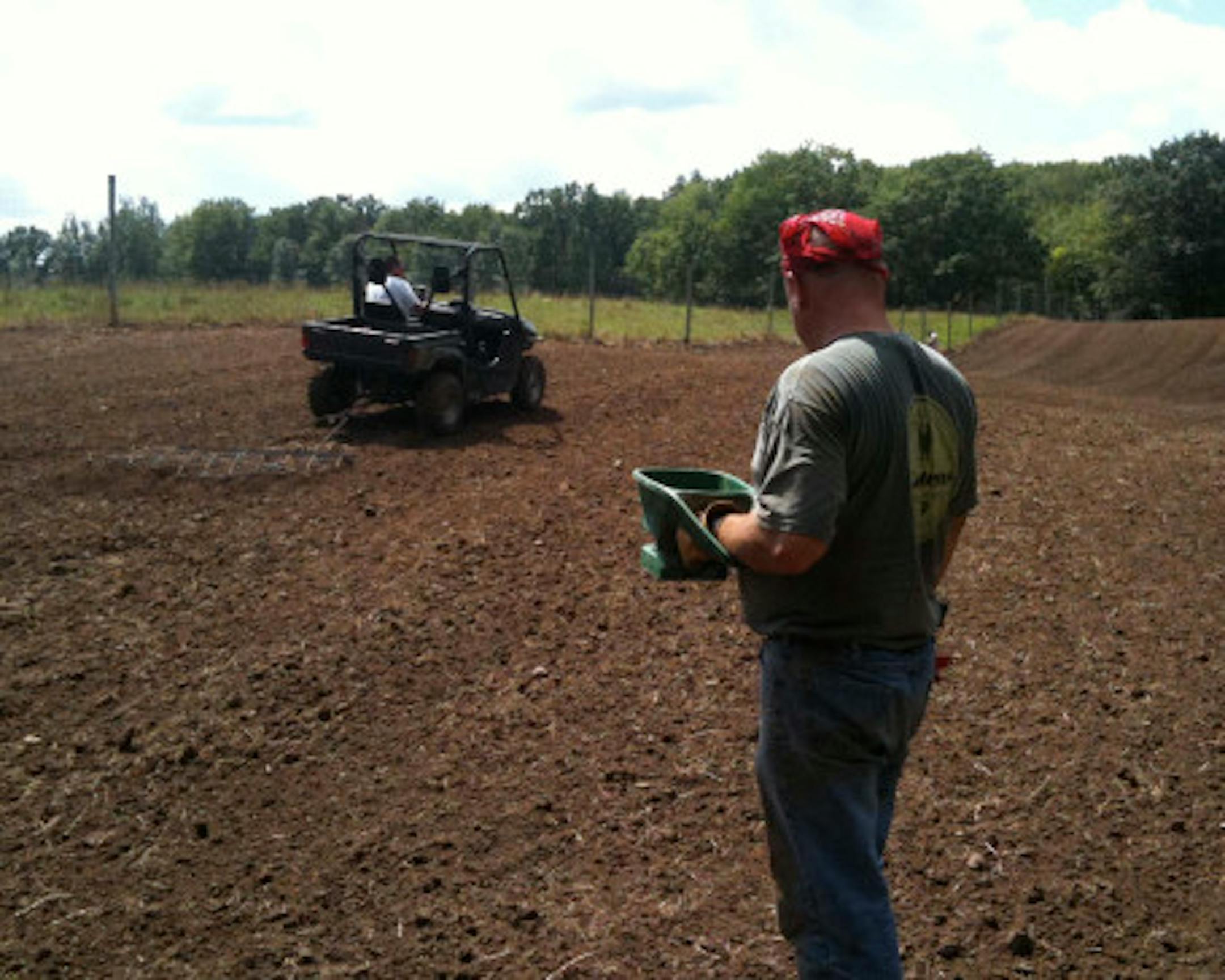
On a recent Saturday, a gang of us who hunt together in northwest Wisconsin got together to put in three food plots. Each was about 1-2 acres in size, and a variety of "crops" were planted in each.
Whether the crops ultimately take hold or not remains to be seen, and will depend to a large degree how well the land is prepared, and whether enough rain falls and various other natural conditions conspire to benefit the undertaking.
Norb Berg, who with his four sons owns the property, started the food-plot process by testing the soil of the plots, determining from the tests the acidity of the soil and how much lime would be needed to prepare them for planting.
In further preparation, plants on the land were killed off with Round-Up (twice, over a 10-day period), the land was chisel-plowed, fertilized and a seed bed was made with a drag.
"I put lime on some of the plot land at a rate of about 12 tons per acre over two years," Norb said.
The plots were seeded with mixes from, among other sources, the Whitetail Research Institute (www.whitetailinstitute.com) that included various types of clover and chicory, as well as other seeds.


