

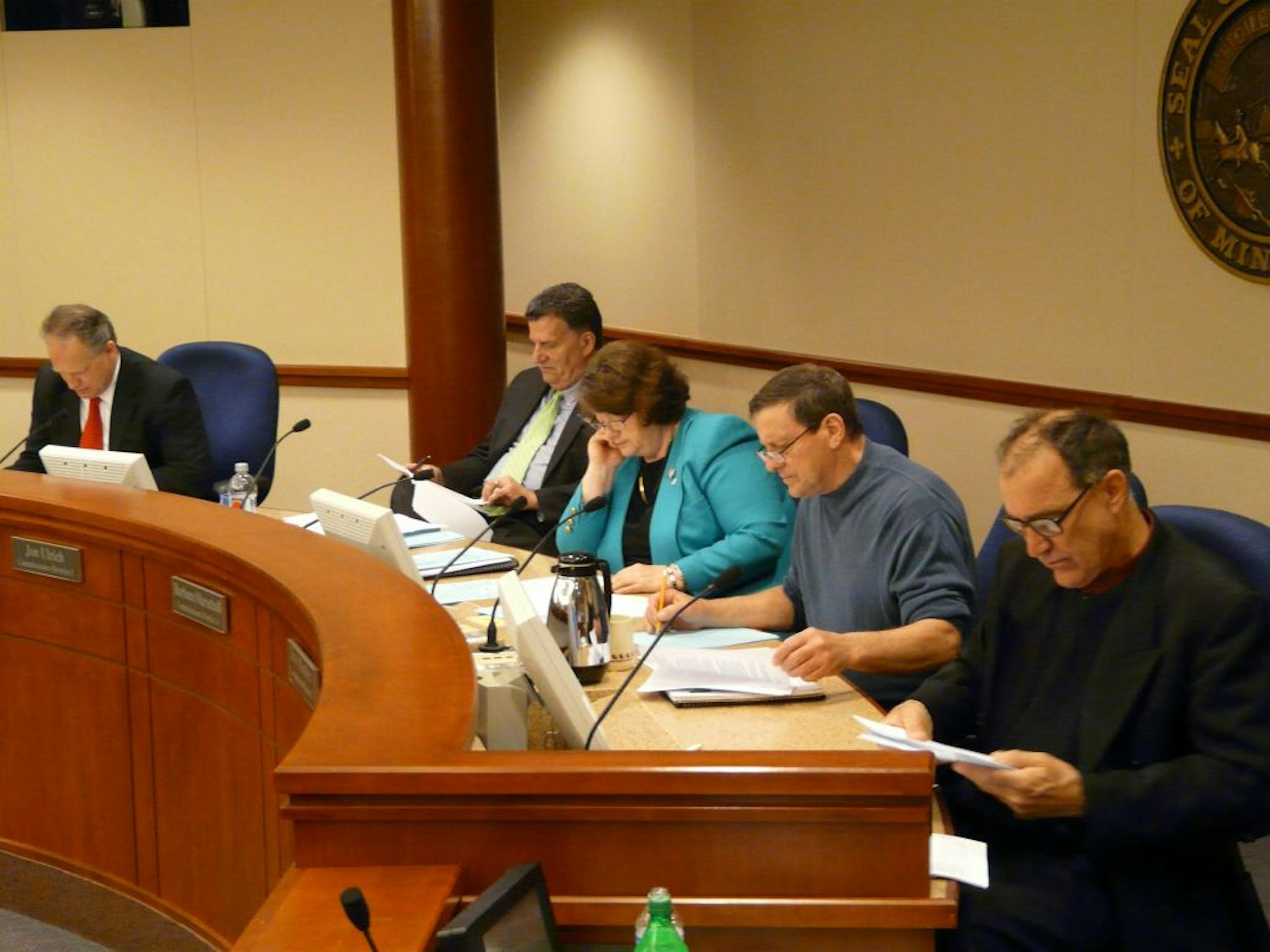
Victoria Reinhardt has served on the Ramsey County Board for 20 years. During every campaign season, she's been asked the same question over and over.
"When I went to the doors in '96 when I was running, the most commonly asked question was: 'What does a county commissioner do?' " Reinhardt said. "In 2016, the most commonly asked question is, 'What does a county commissioner do?' "
Falling between city councils and the Legislature, nonpartisan county boards are a powerful layer of local government — managing multimillion dollar budgets, levying taxes and making decisions about social services, transportation, land use and public safety — but their work is often invisible to the communities they serve.
That lack of awareness shows up at the polls. In even-year general elections between 2000 and 2014, fewer than half the people who cast ballots in the seven-county Twin Cities metropolitan area voted in county board elections, according to a Star Tribune analysis of Minnesota voting data. By comparison, more than 90 percent of voters cast ballots for state representatives in that period.
"It's one of the most important units of government, but it's one of the least understood," said Craig Waldron, a lecturer in public administration at Hamline University.
'Invisible' work
In Minnesota, counties are responsible for carrying out state mandates. That bond between counties and the state can make it difficult to tell who is responsible for what, said Julie Ring, executive director at the Association of Minnesota Counties.
"We may have perpetuated some of the problem by not always branding things that we do as a county thing," she said.
Not all of the services that counties provide apply to every resident.


