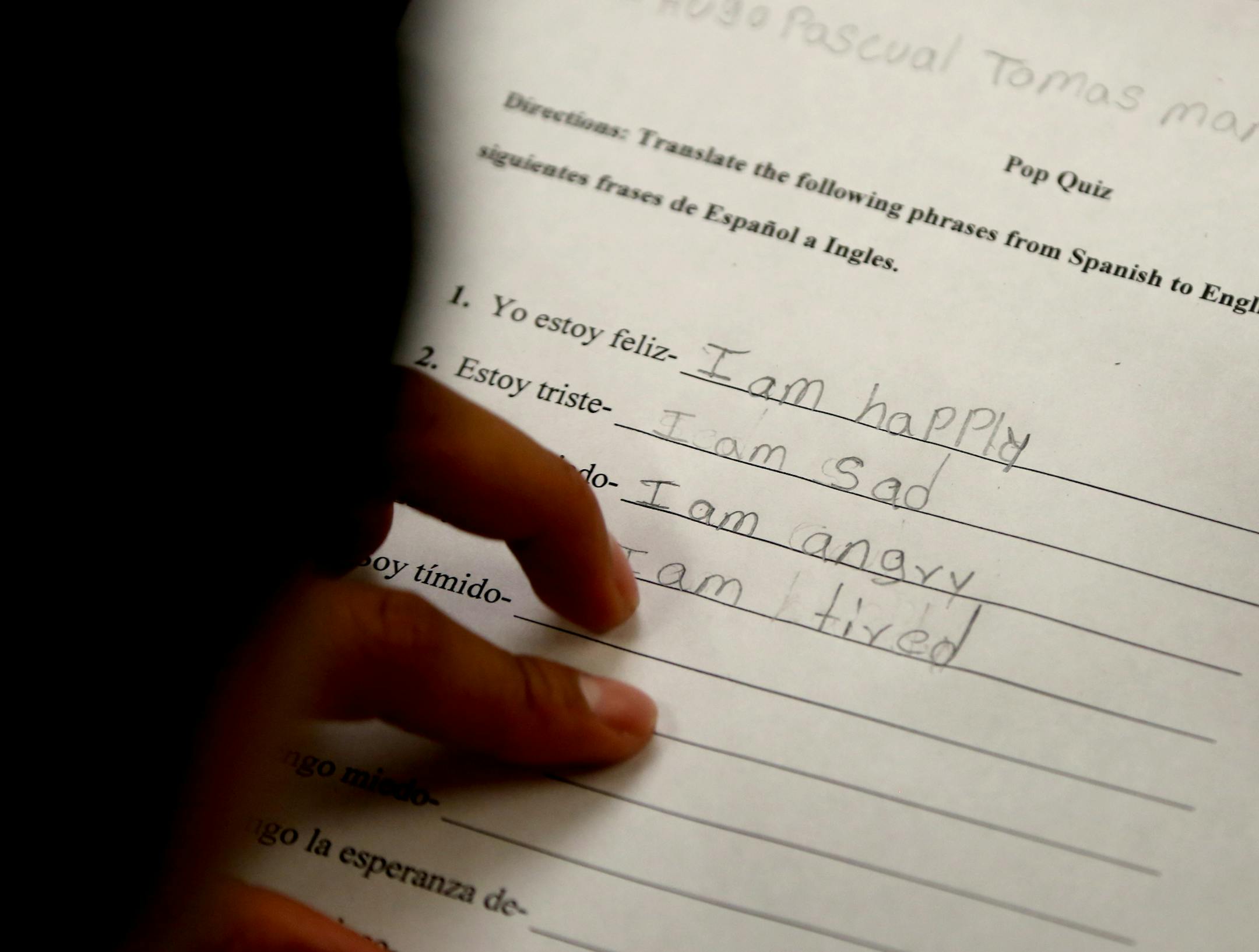
FORT LAUDERDALE, Fla. – On a warm day last spring, 16-year-old Hugo Pascual Tomas and his older brother Francisco left their home in Guatemala and set off on a 2,700-mile quest to find their mother.
The boys had been left in the care of their elderly grandparents in 2001, after their father and pregnant mother came to Florida and became undocumented workers.
In their Mayan village in Huehuetenango, near the Guatemala-Mexico border, Hugo and Francisco lived a hard life. They dropped out of school and began working in the fields harvesting corn.
In occasional telephone calls from their parents, who settled in Palm Beach County and sent them money to help with expenses, the boys began to learn about another life a world away. They also learned they had a brother and a sister born in the U.S.
This year, Hugo and his older brother decided to make their way to the Sunshine State. So did more than 5,500 children from Central America who illegally crossed the U.S. border and ended up with relatives or other sponsors in Florida in the past 15 months.
The unprecedented exodus of children fleeing violence, poverty and abandonment in Guatemala, Honduras and El Salvador has had a major impact on some local schools and on South Florida's immigration court. And it's often up to volunteers and nonprofit groups to help the boys and girls find lawyers and adapt to their new lives.
To get here many of these children walked for miles, forded rivers, even clung to the roofs of freight trains.
For Hugo and Francisco, life in Guatemala had become dangerous after their grandfather died in 2013. Gang members began pressuring the two boys to join them in a life of crime.