

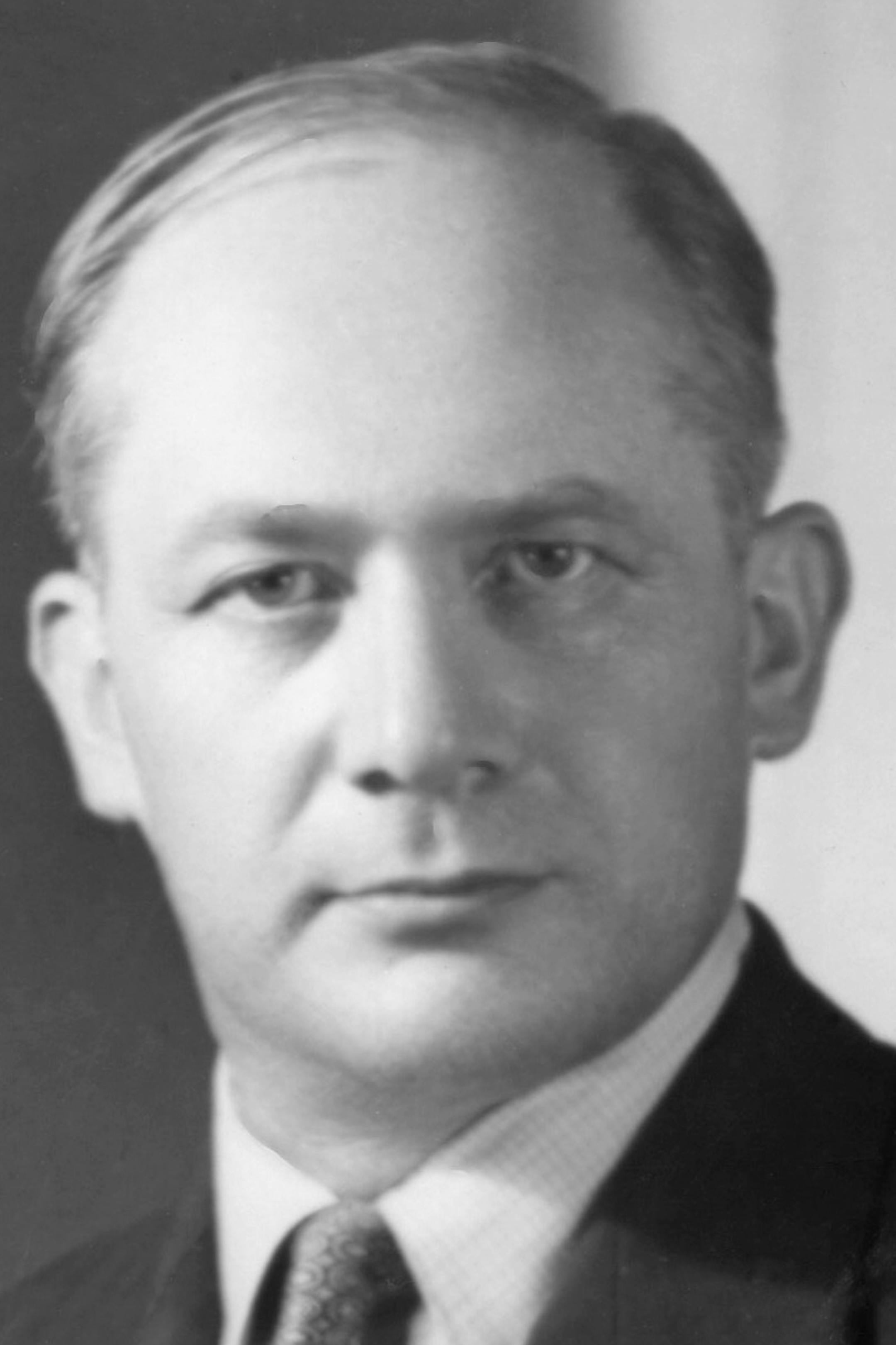
If Raphael Lemkin were alive today, I wonder what he would think about Syria. And about Darfur, Burma, Congo and the Central African Republic.
And about us.
Lemkin, a Polish Jew, fled from the Nazis and escaped to the United States. He tried desperately to get his family to safety, but 49 of his relatives — everyone except one brother — perished in the Holocaust.
Lemkin was a gifted linguist and a lawyer. He became convinced that there had to be a word to describe the killing not of people, for which we have words such as suicide and homicide, but the killing of a people, an entire group. We assume that this word has always been part of our vocabulary, but at the time of the Holocaust the word did not exist. Lemkin coined the word genocide, taking geno from the Greek for family or tribe and cide from Latin for killing.
Once he had the word to describe the crime, Lemkin was determined that there should be a law to prevent and punish it. He wrote the Convention on the Prevention and Punishment of the Crime of Genocide and, through his indomitable determination and persistence, the convention was adopted by the United Nations in December 1948, 65 years ago this month.
When a convention or a resolution passes in the U.N., it doesn't automatically become part of our nation's law. A convention has to go through the advise-and-consent process. The president sends it to the Senate, where it has to be ratified by 67 affirmative votes, two-thirds of the Senate, and then it goes back to the president for final approval.
The U.S. didn't ratify the Genocide Convention for another 40 years.
The late Sen. William Proxmire, a Democrat from Wisconsin, took up the task in the 1960s of getting the convention ratified. He assumed it would be easy. However, he gave 3,211 speeches on the floor of the Senate, a different speech every day for 19 years, until it was ratified.


