

Opinion editor’s note: Strib Voices publishes a mix of guest commentaries online and in print each day. To contribute, click here.
•••
One in 13 Minnesotans will wake up Saturday to find their grocery budgets cut off entirely. That’s the day Supplemental Nutrition Assistance Program (SNAP) benefits end due to the federal government shutdown. Food shelves are bracing for a surge in need that will test every community in our state.
The need is extraordinary. Minnesotans visited food shelves nearly 9 million times in 2024, a record high for the fourth consecutive year and 2.5 times more than pre-pandemic levels. That’s 1.4 million more visits than the year prior, with some rural food shelves reporting 20% increases through 2025 alone.
When systems fall short, Minnesotans step up for one another. The preparation for Nov. 1 is well underway; in my St. Paul neighborhood alone, I’ve noticed businesses starting food drives, and neighbors offering to collect donations and deliver to those in need. It’s not a matter of whether Minnesotans will rise to the need. The question is how we step up. The answer matters more than ever.
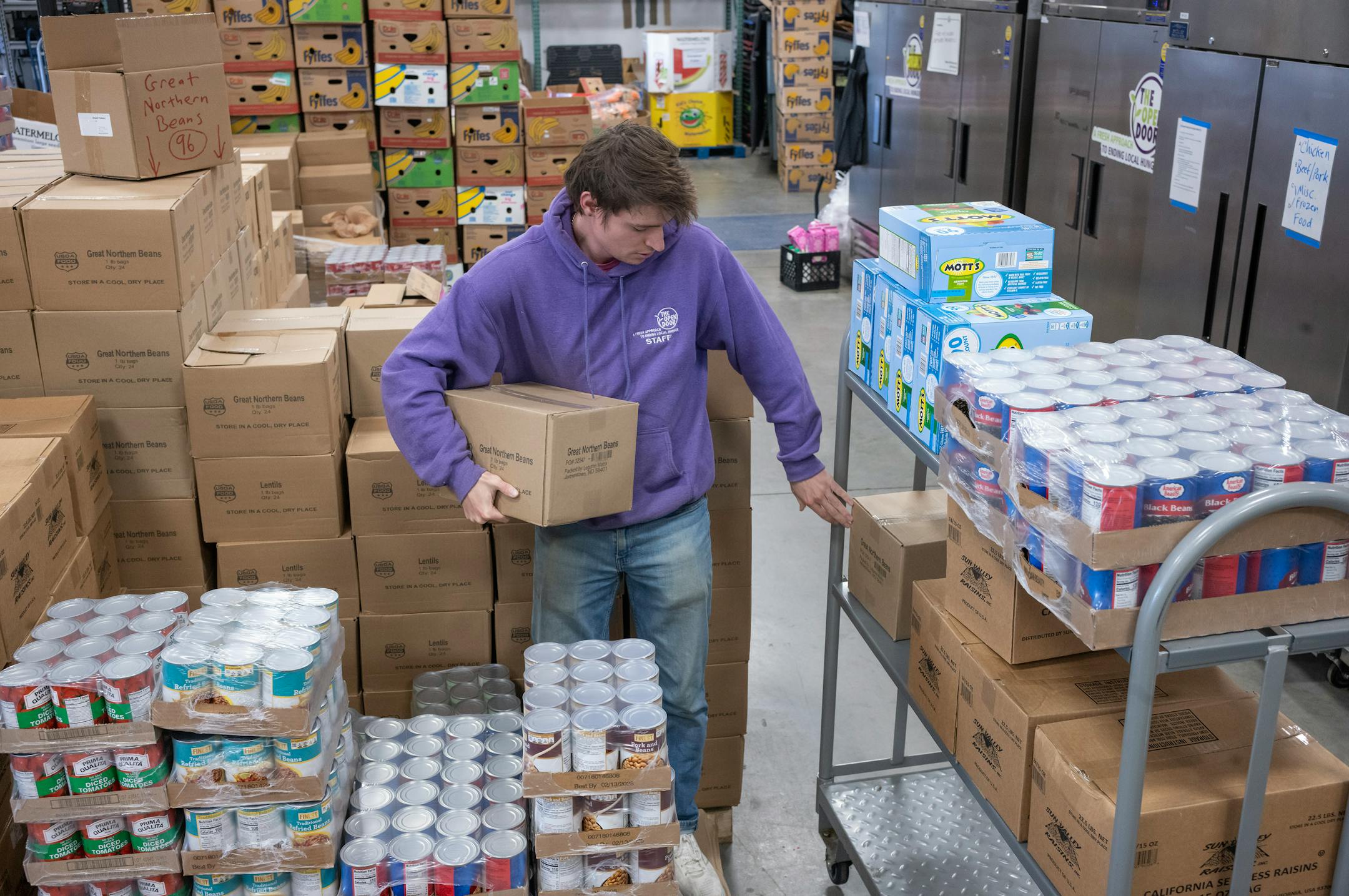
Our instincts might be to fill our trunks with groceries, but there’s a more powerful way to respond: giving dollars instead of cans.
Food shelves buy in bulk, partner directly with farmers and distributors, and tap into statewide networks that stretch every dollar far beyond what individual shoppers can achieve. A single donated dollar often purchases three to four times the groceries that same dollar would buy at retail. That efficiency is transformative when families are facing the sudden end of food assistance.
Gov. Tim Walz’s recent $4 million in emergency gap funding provides vital support to stabilize hunger relief networks. But with Minnesota receiving roughly $1.4 billion in SNAP a year, temporary measures can’t bridge the full gap to feed Minnesotans in need.


