

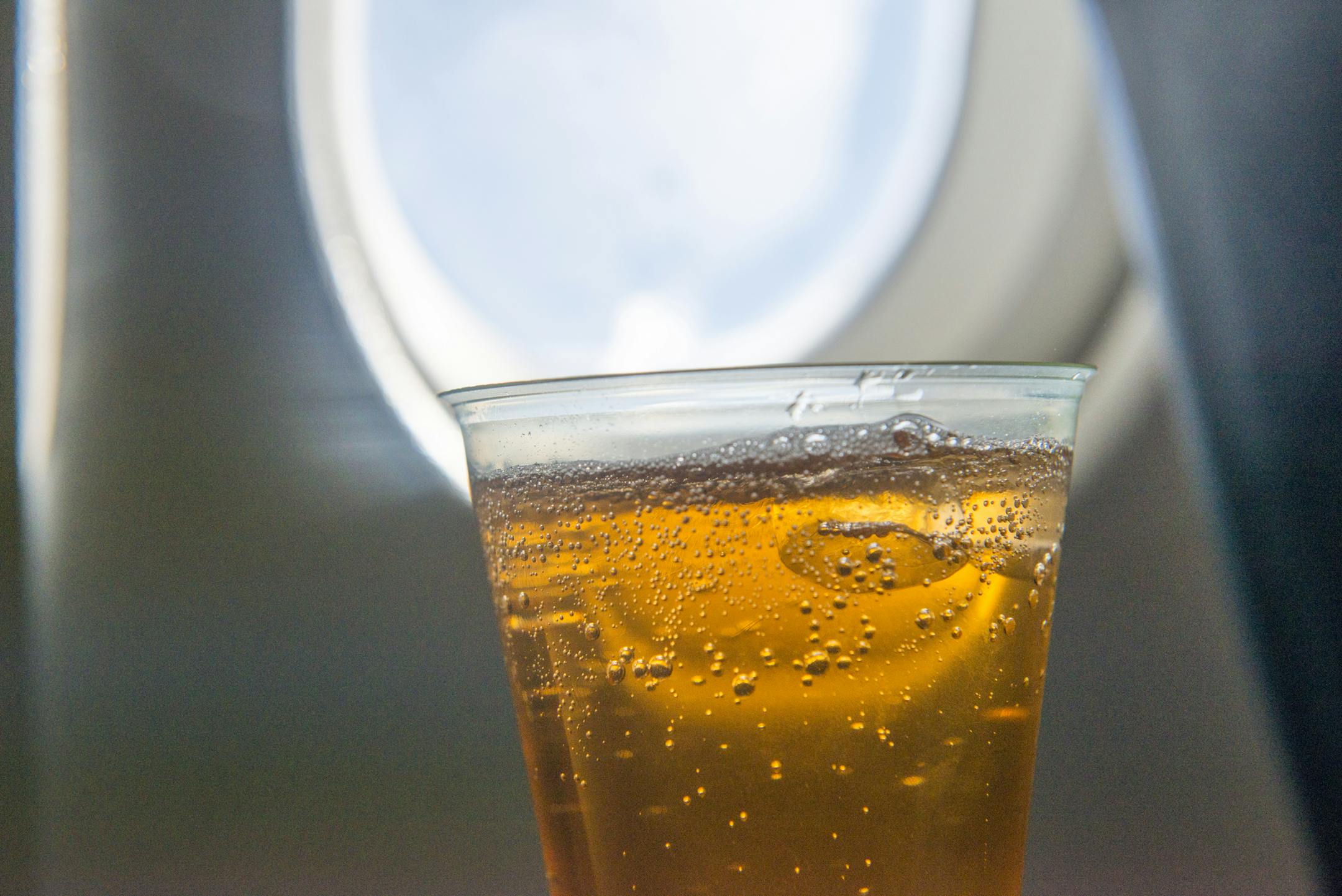
In addition to halting most vacations in 2020, the coronavirus pandemic has largely stripped away one of air travel's few small pleasures: in-flight food and drink service.
Since March, most airlines, including Delta, United, American, Southwest, Alaska and JetBlue, have vastly limited or wholly suspended flight attendant service of food and drinks to reduce cabin interactions that could spread the virus. Longer flights have more food options than short routes, and service typically depends on flight length.
But some airlines are beginning to bring back plane snacks and drinks as we knew them, allowing longer flights to offer free refreshments, for-purchase food and even alcoholic beverage service.
Knowing what scientists have learned about studying coronavirus transmissions linked to flights recently — and as daily infections hit record highs in the United States — can how you choose to eat on the plane impact your chances of picking up (or spreading) the coronavirus?
Following new studies on the impact of limited food service and increased masking on flights, experts say yes. While passengers have always been able to bring and consume their own food on flights, doctors say cabin service introduces unique risks.
"People contact remains the main issue, even if masked," Dr. David Freedman, an infectious-disease specialist at the University of Alabama who has reviewed studies on in-flight transmission, told the Washington Post.
Freedman says the face-to-face element of midflight service is important, and that a recent Harvard University T.H. Chan School of Public Health study of coronavirus spread on planes concluded that nixing cabin service both limits movement in aisles that could spread viral droplets and discourages passengers from "demasking with their neighbors."
The Harvard study, which partnered with the industry-funded Aviation Public Health Initiative (APHI), found that layering health interventions like hand washing, surface sanitizing and enforced masking can make planes safer than indoor restaurants. It states that when passengers have their own food on hand, but not the option to order during a service period, "the removal of face masks will likely be more staggered such that not all passengers at a given time will be without masks."


