

Opinion editor's note: Editorials represent the opinions of the Star Tribune Editorial Board, which operates independently from the newsroom.
•••
A physician's instincts that something wasn't right gave the Henrikson family of St. Paul an early heads-up that Vivian, their newborn, was born infected with a serious and surprisingly widespread pathogen known as cytomegalovirus (CMV).
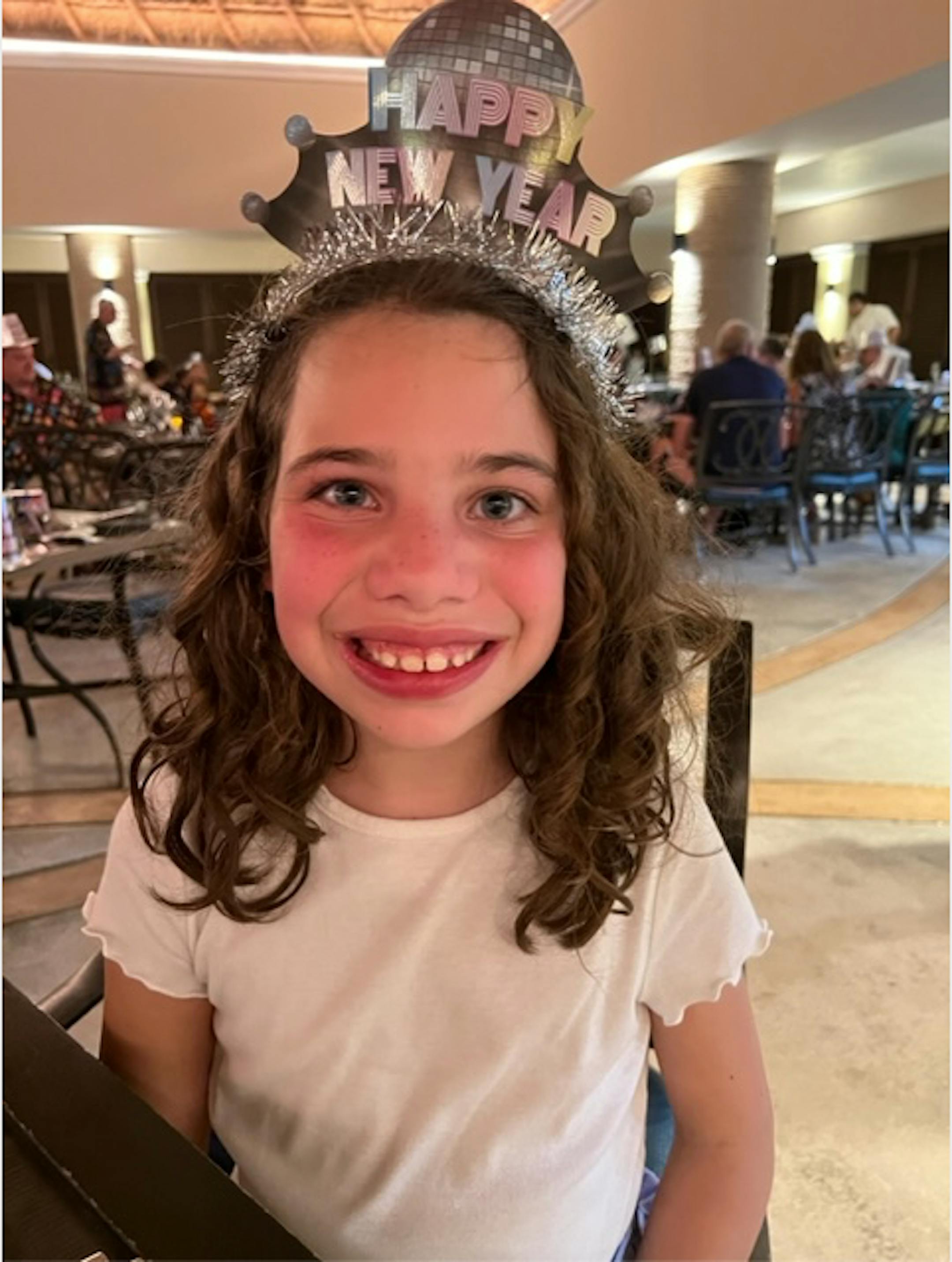
Infection before birth is linked to hearing and vision loss, cerebral palsy, developmental delays and other serious health problems. But after two surgeries and physical therapy, Vivian is now a third-grader who loves art, unicorns and soccer. A prompt diagnosis played a vital role in getting the early-in-life care that's helped her become an energetic little girl.
Thanks to passionate advocacy by Vivian's mother and conscientious work by Minnesota lawmakers, other families will more reliably get timely, actionable notice that their babies have CMV. After the 2021 passage of Vivian's Act, the state has added CMV to the list of more than 60 health conditions tested for shortly after birth.
This is a praiseworthy public health milestone, one that makes Minnesota a national standout. The state is the first to universally screen infants for CMV. Other states should follow its lead expeditiously to ensure that children born with this condition get the care they need.
The virus itself has been described as "ubiquitous" by medical researchers. About half of adults have been infected by the age of 40, the U.S. Centers for Disease Control and Prevention reports. Most don't feel ill, making it easy for the virus to be transmitted by saliva, urine and other body fluids by those who don't know they're sick.
The virus can also be transmitted from mother to child during pregnancy, with women who care for young children or work with them at particular risk of infection. The expectant mom may not even realize she has it, but during this critical window of time, CMV can have serious health consequences.


