

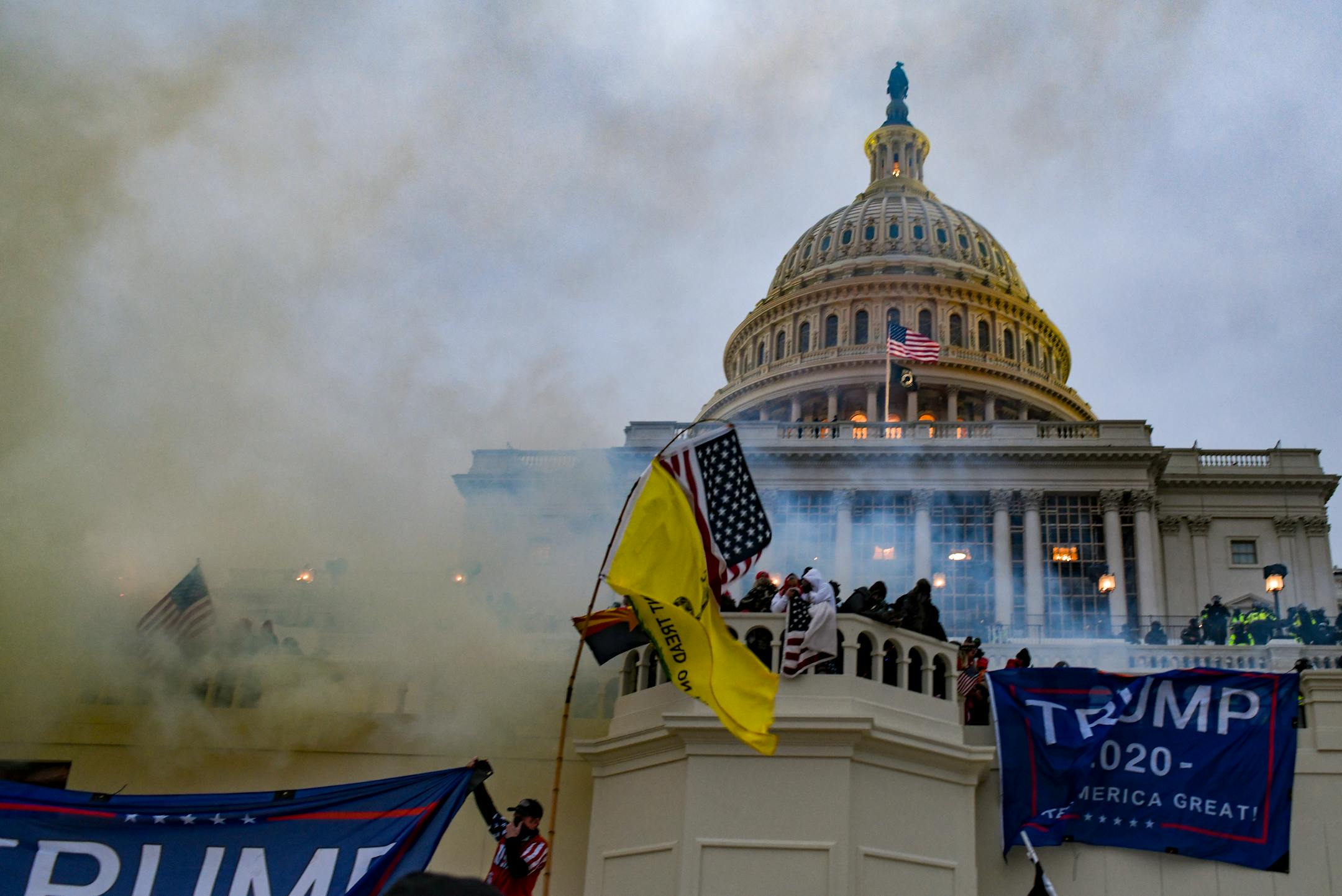
The impeachment process over the Jan. 6 attack on the U.S. Capitol is complete. But a full reckoning of the deadly event is not, which is why Congress should form an independent inquiry into the matter.
The best model is the successful commission formed after 9/11. Its report was widely accepted and led to significant shifts in the country's defense against terrorist attacks.
The leaders of the 9/11 Commission, Thomas Kean, a former Republican governor of New Jersey, and Lee Hamilton, a former Democratic congressman from Indiana, are urging a similar commission on the Capitol attack. They wrote that the insurrection "requires thorough investigation, to ensure that the American people learn the truth of what happened that day."
Their Feb. 12 letter to President Joe Biden, Vice President Kamala Harris and the four key congressional leaders of the House and Senate made the case that "an investigation should establish a single narrative and set of facts to identify how the Capitol was left vulnerable, as well as corrective actions to make the institution safe again."
Compellingly and constructively, they don't just suggest fortifying the Capitol, but Congress itself, including "broader reforms to build trust and the capacity of the Congress to address the nation's problems."
Just being able to coalesce around establishing the commission would be a step forward for a deeply divided Congress, so it's encouraging to see building bipartisan support for House Speaker Nancy Pelosi's call for a panel to "investigate and report on the facts and causes relating to" the attack as well as "the interference with the peaceful transfer of power."
And yet there were still pockets of predictable pushback from some of former President Donald Trump's staunchest legislative defenders, including Republican Rep. Jim Jordan of Ohio, who along with three of his colleagues sent a letter to Pelosi criticizing her actions, including her previous appointment of former Gen. Russel Honoré to conduct an immediate security review. In one indicative passage, they wrote, "It is easy to understand why we and our Senate counterparts remain skeptical that any of his final recommendations will be independent and without influence from you."
Reflexively relapsing into this kind of partisan quagmire must be avoided in order for a commission to successfully seek the truth. Lawmakers would be wise to heed Kean's and Lee's suggestions that: "A bipartisan, independent investigation will earn credibility with the American public. So will professional staff chosen for their expertise, not political affiliation. Adequate time and sufficient resources for such an effort are essential. An investigation should also have the authority (through subpoena power) to interview witnesses and review all documents, videos and communication and computer media it requires."


