The audio messages sent to dozens of East African immigrant mothers evoked the protagonist from a Somali folk tale in a reminder about the challenges of parenting.
"As Igal Shidad traveled around for a good place for his family to live, he had challenges along his journey," the messages said, describing the trek of a nomadic camel and sheep herder. "He found it helpful to keep his faith in Allah, because it helped him keep faith in himself. Keep your faith and you too can deal with your challenges."
The outreach, part of a University of Minnesota study, is designed to address maternal and child wellness in the Somali-American community. Proponents of the effort think the system could be used to reach other populations that might struggle with written literature in English or adapting to different parenting norms in the U.S. — from nutrition recommendations to navigating the health care system.
Lead researcher Amy Susman-Stillman, director of applied research and training at the University of Minnesota's Center for Early Education and Development, said other immigrant groups could benefit from a similar process.
"Most parents seem to want to benefit from early childhood health and development [knowledge], it's just that we know that some parents are less likely to be receiving that information or there are more gaps in what they receive," Susman-Stillman said.
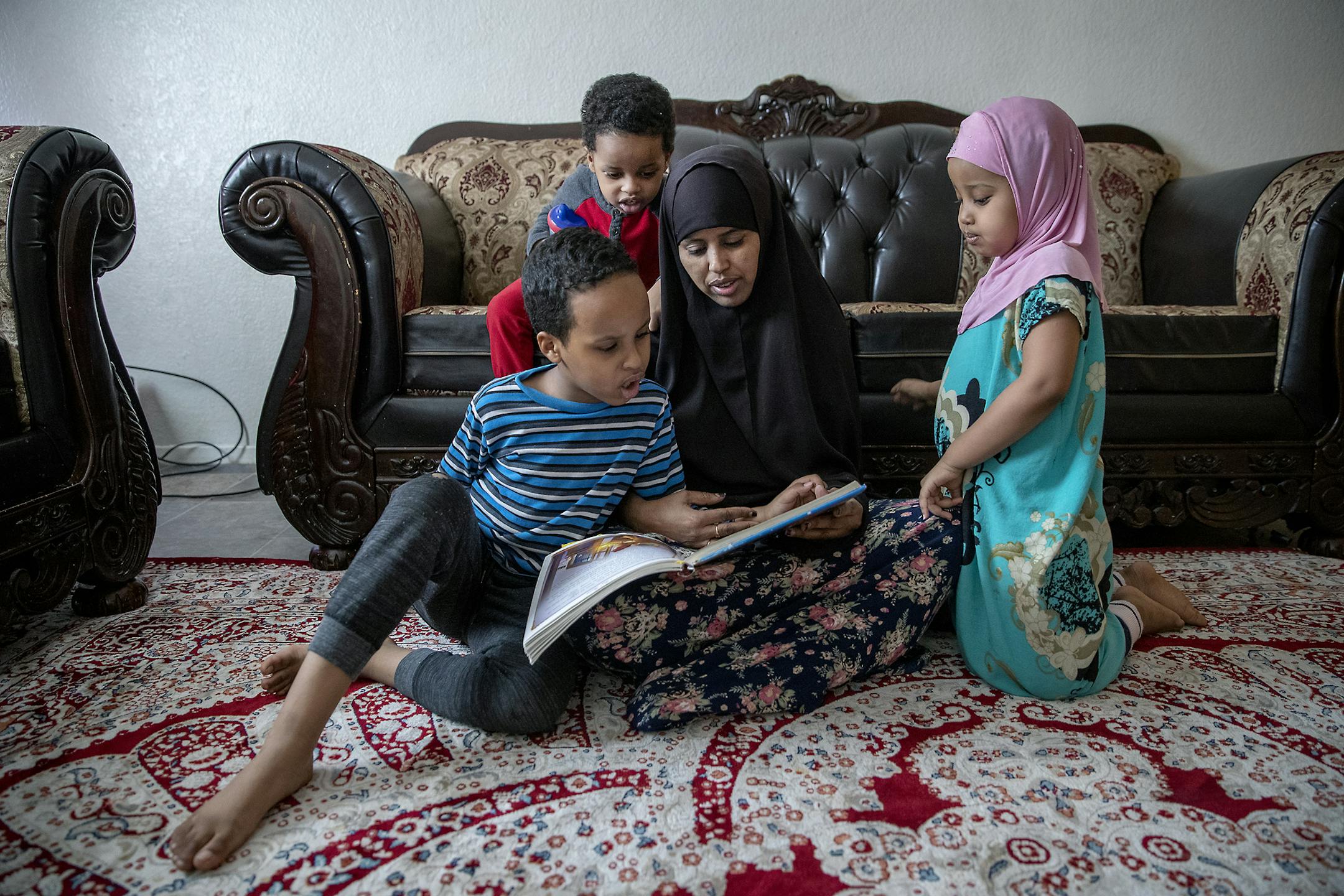
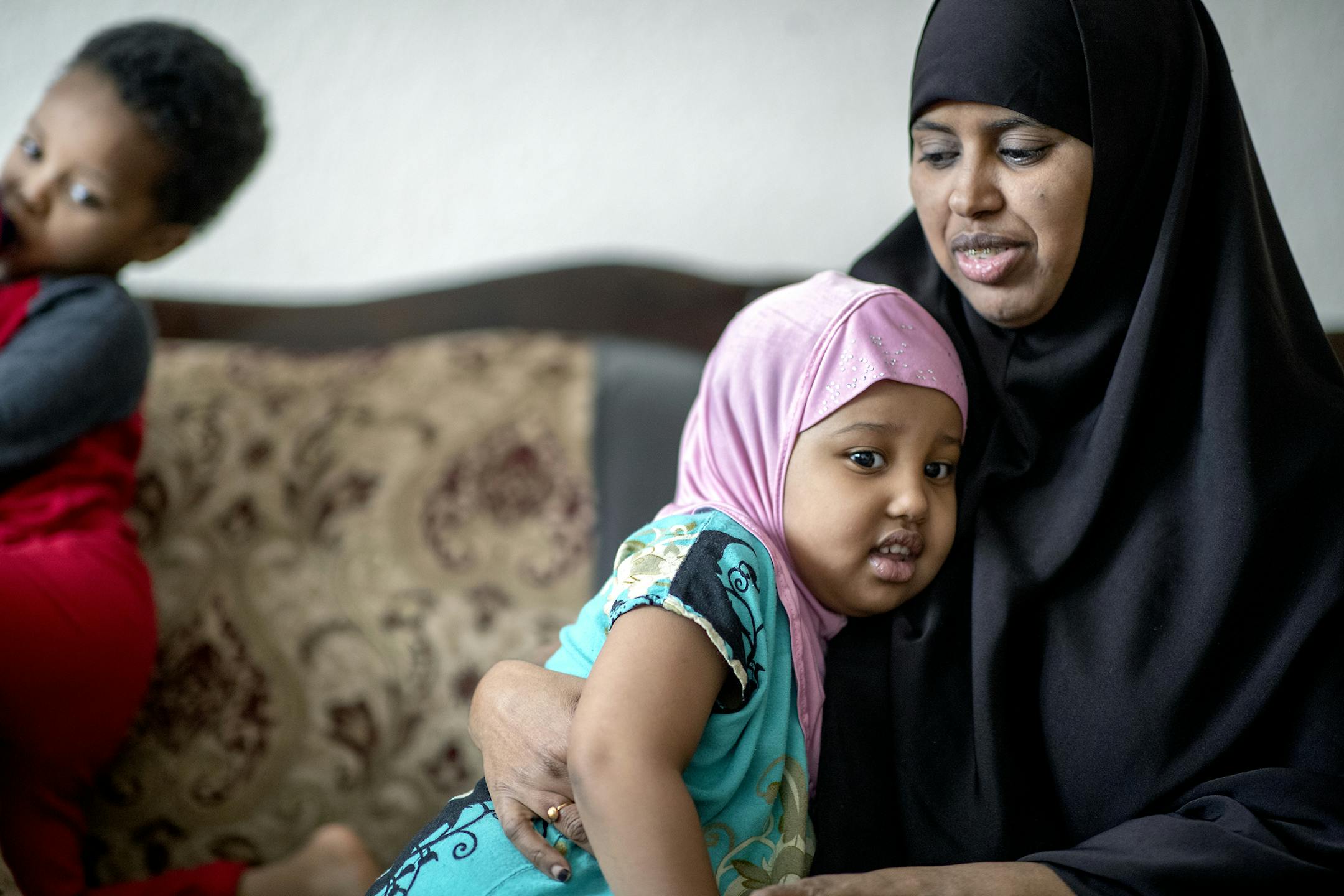
Fardowsa Bashir, 38, and a mother of six living in Minneapolis, found the advice helpful. She raised her first child — now 16 — in Kenya, where she recalled a culture of freedom for children. But in America, Bashir said through a translator, she has more concerns.
"In America you have to constantly be aware of your children," said Bashir, whose family is originally from Somalia and migrated to the U.S. in 2011. "In addition to their safety and their security, you have to worry about their homework, whether they're staying out of trouble or behaving themselves appropriately, and on top of that you're a working mother … you're busy. There's a lot going on here."
Sharing information
In the recently finished pilot phase of the study, researchers sent audio files in Somali to the mobile phones of 50 Somali-American mothers three times a week for six months, working with health practitioners at People's Center Clinics & Services. They decided against using standard written text messages, since not all participants read in their own language.