

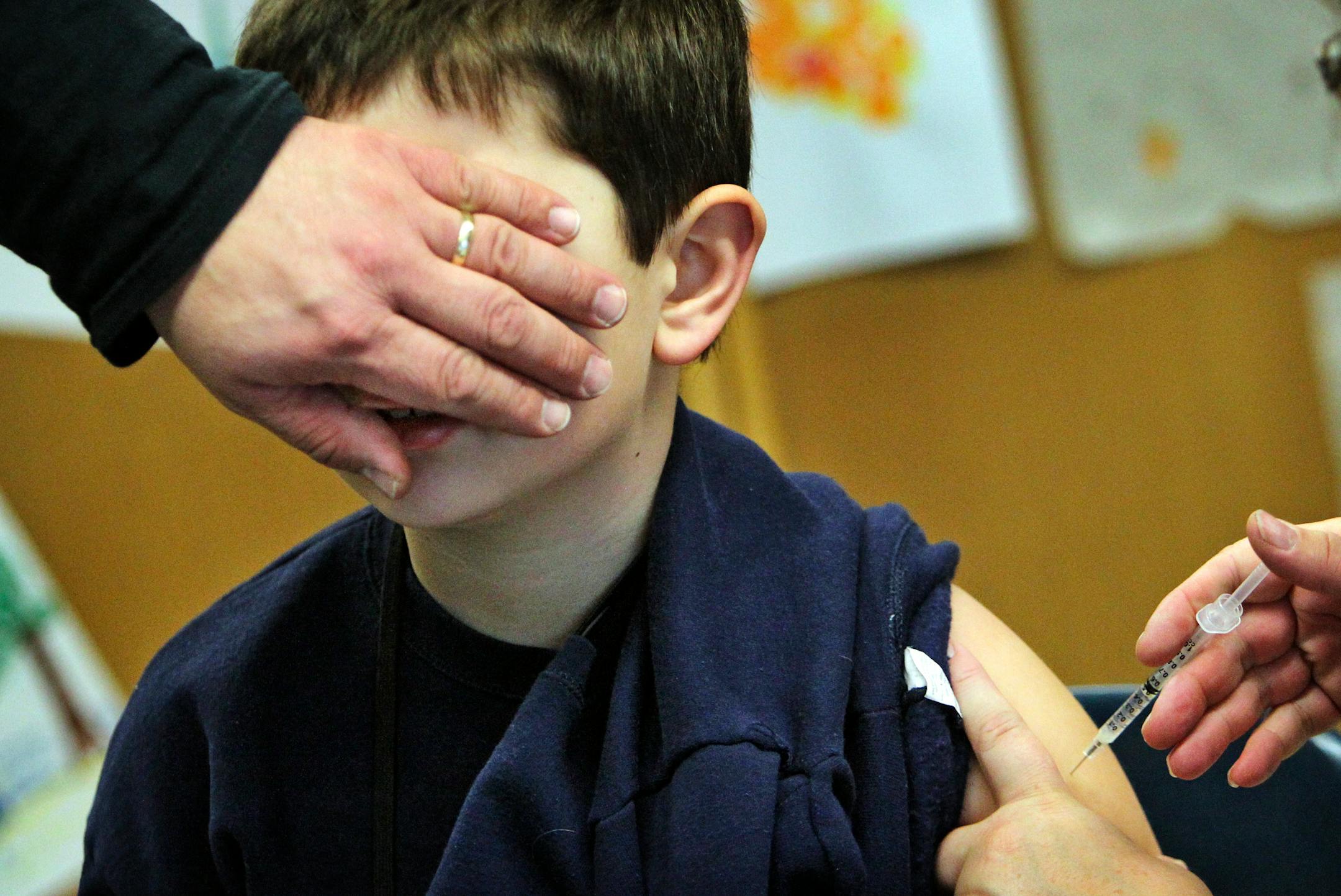
Another 37 flu-related deaths were confirmed in Minnesota last week, pushing the season's toll into triple digits, but other indicators seemed to confirm that the worst influenza outbreak in several years is now on the ebb.
Outbreaks in schools and nursing homes were down sharply from mid-January, the Minnesota Department of Health said in its weekly influenza update, and several Twin Cities clinics said they are seeing fewer patients with flu symptoms.
"We have seen a definite slowing, as evidenced by this week's indicators," said Kris Ehresmann, who oversees the infectious disease program at the Health Department. She said the deaths, while tragic, are a lagging indicator of flu activity because each one takes time to investigate and confirm as flu-related.
With Thursday's report, this season's flu death toll rose to 113 in Minnesota, well above the 67 deaths recorded in the H1N1 flu pandemic of 2009-10. Most deaths this time have occurred among elderly patients or those with underlying ailments, although this year's strain of the virus has produced severe symptoms in many children.
At Fairview hospitals in the Twin Cities, flu-related activity peaked during the week of Jan. 7, a spokesperson said. Since then, there has been a 70 to 80 percent drop in new hospitalized cases of Influenza A and Influenza B.
Children's Hospitals and Clinics of Minnesota reported a 47 percent decline in flu activity at its Minneapolis and St. Paul campuses last week -- a great relief to the doctors, nurses, respiratory therapists and others who have been extremely busy treating patients, said Patricia Stinchfield, an infectious disease expert with the pediatric organization.
There were 76 lab-confirmed cases and 17 youngsters admitted to Children's hospitals last week, compared with 141 cases and 23 hospitalizations a week earlier.
"Everyone has been asking, 'What is your crystal ball saying?'" she said. "When is it going to be over?"


