

Opinion editor's note: Star Tribune Opinion publishes a mix of national and local commentaries online and in print each day. To contribute, click here.
•••
Wednesday will be the second anniversary of the lurid street murder of George Floyd by a Minneapolis police officer. The killings of Black people had become almost banal in their incessancy and redundancy, but something about this one — captured during an advancing pandemic that had forced people apart and inside, watching the world through windows and screens — drew thousands of people out into the streets, where boarded-up storefronts produced the tempting tableau of a country strewn with canvases.
Some saw in the uprising the potential for revolution. They talked about the protests in the lofty language of a "racial reckoning," an "inflection point," a fresh start on America's path to absolution from its original sin.
But flashes of guilt, outrage and shame often stir fleeting fealties, and the heavy gravitational pull of racial privileges and power can quickly draw mercurial allies back into the refuge of the status quo.
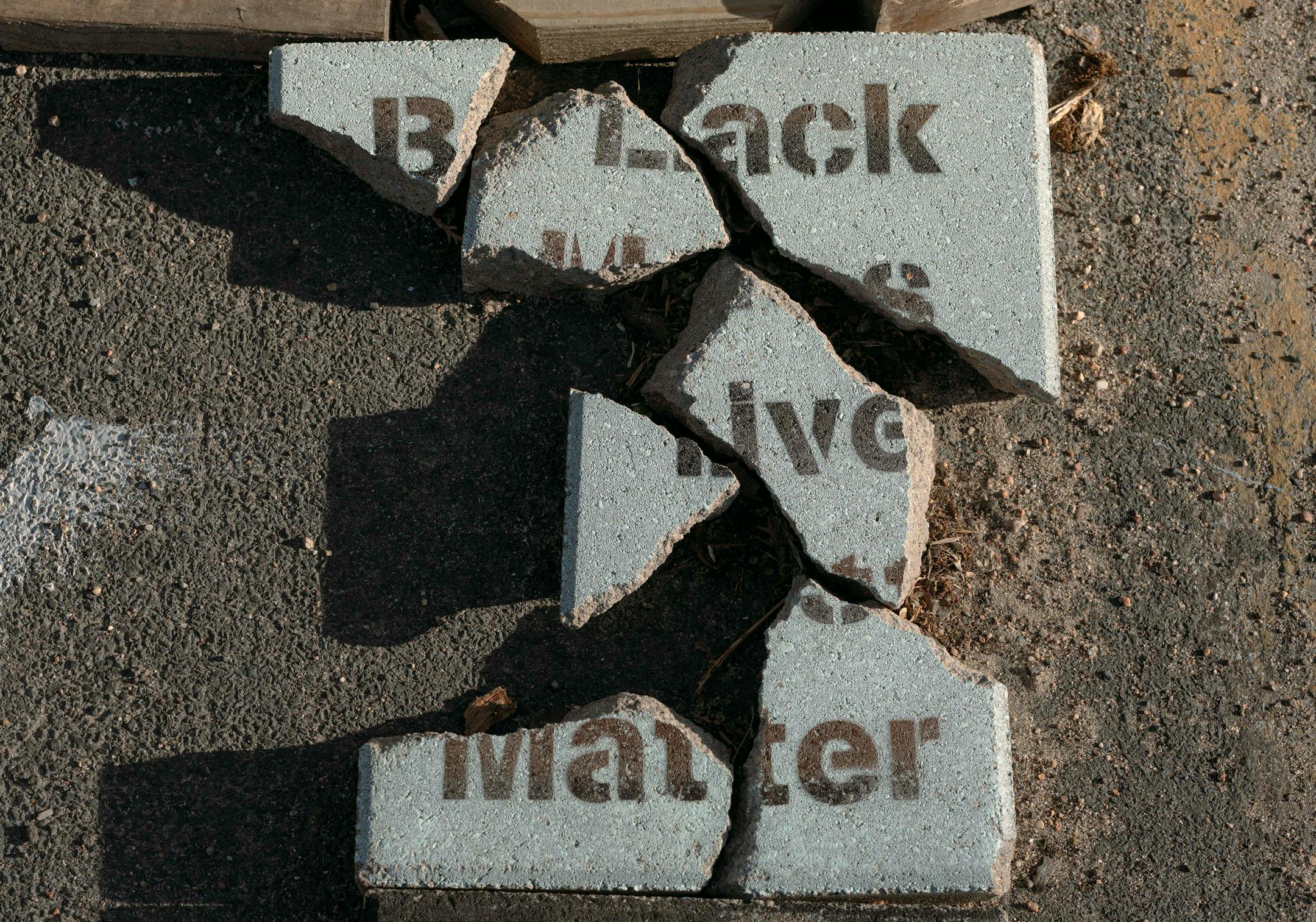
Some good came of the protests, to be sure. Some states and local municipalities passed or instituted police reforms. Money poured into Black Lives Matter, as well as other racial justice organizations and Black institutions. Individuals began personal journeys to become more egalitarian and more actively "anti-racist." And artists produced hundreds of murals and thousands of pieces of other street art that, for a time, transformed this country.
In the end, transformative national change proved to be an illusion. Inflation, a war in Ukraine, public safety, abortion and even a baby-formula crisis have overtaken the zeitgeist. Support for Black Lives Matter has diminished. Federal police reform and federal voter protection both failed to pass the Senate. And the founders of Black Lives Matter have been drawn into controversies about how they handled its money.
I've learned not to expect much from America; it has a deep capacity for change but a shallow desire for it. I have embraced the "wise desire not to be betrayed by too much hoping," as James Baldwin put it. But I worry about young people in all of this. It is their faith that's most vulnerable to damage. They were the ones who most believed that change was not only possible but imminent, only to have America retreat and retrench.


