

They come to the cavernous Hennepin County Government Center to solve problems, large and small. One by one, they drop by the information desk in the lobby to ask questions that say a lot about their lives.
Where do I take a urine test? How can I find my divorce file? Where do I pay my parking ticket? My landlord kicked me out; where can I get help? Where do I get a bus ticket back home?
Sometimes there are moments of joy, like the couple holding hands, looking for a marriage license, big smiles on their faces.
The noon hour is a typical rush of lawyers and judges and their customers, a blur of suits, outlandish outfits and lots of jackets and hats emblazoned with the logos of sports teams. One guy wearing a loud Pillsbury Doughboy jacket waited for his public defender amid the din.
When the rush died down, it was quiet, and all that was left behind was another fistful of flowers, placed alongside the fountain on the marble wall. This time, they were mums, tied with a ribbon and attached to a small cardboard card that said: "In loving memory, SPC Thomas Johnson, U.S. Army, 7-10-13."
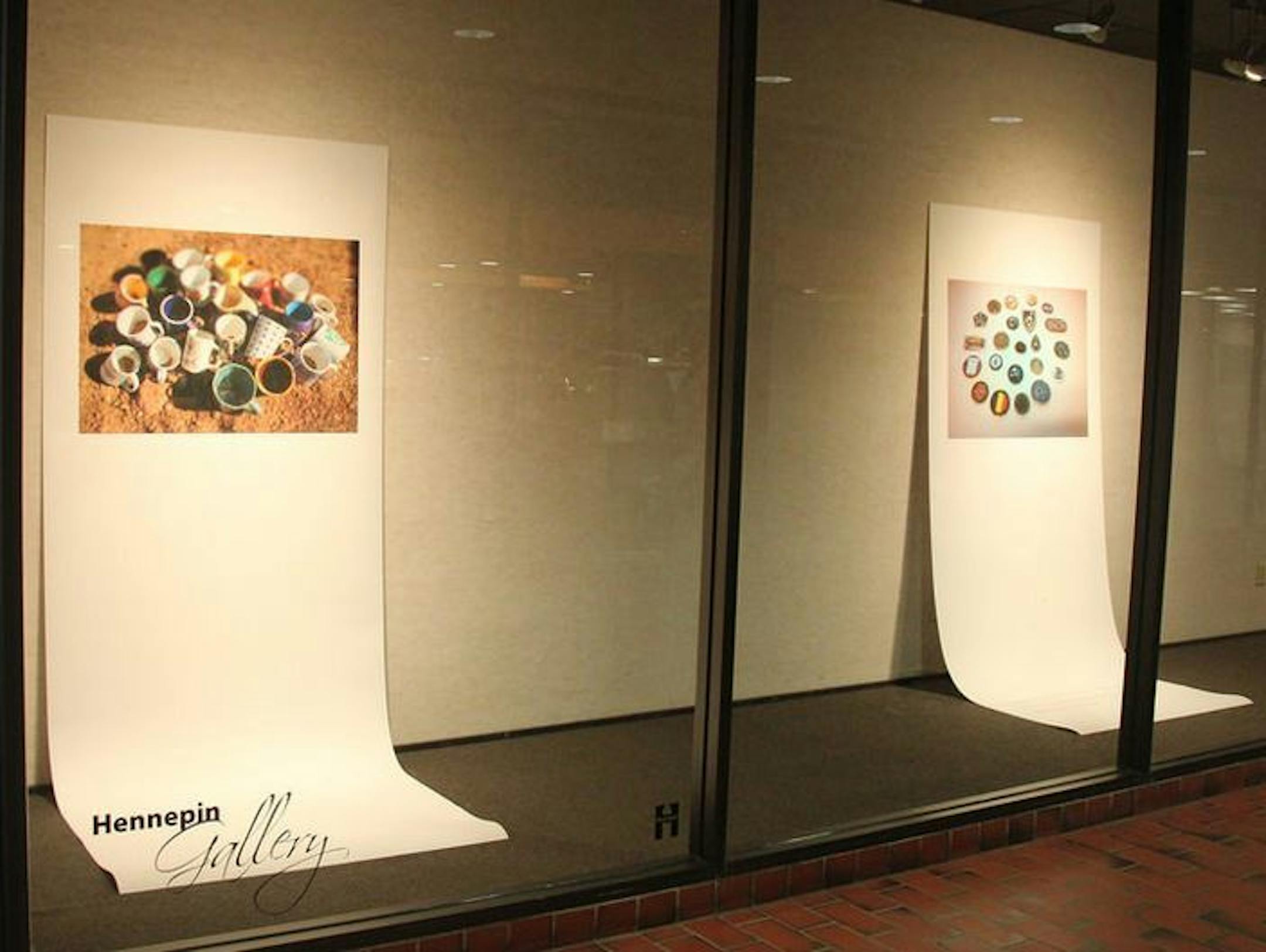
The bouquets started shortly after an exhibit was installed in the Hennepin Gallery, a small space in the tunnel between the government center and City Hall. "The 8030 Project: Remembering veterans and soldiers lost to suicide" is a display of photos of "everyday objects in everyday spaces" in patterns of 22, to symbolize the 22 U.S. veterans and soldiers who take their own lives every single day.
Mara Pelecis created the exhibit (8030project.com) and invited visitors to send in their own photos of everyday items in a participatory gallery of support for the fallen vets, and a reminder of what can happen to soldiers when they return home, still lugging the emotional scars of combat.
Pelecis, whose own father took his life years after serving in Vietnam, said she was surprised at how many contributions the exhibit has elicited — from people who have been somehow moved by the suicide of a veteran or someone on active duty.


