Travis Bonovsky's hands shook from stress four years ago. He drank too much, he admitted, not knowing how else to cope with his taxing advertising job.
Bonovsky knew that he needed to make a change in his life, but he wasn't sure how to do it.
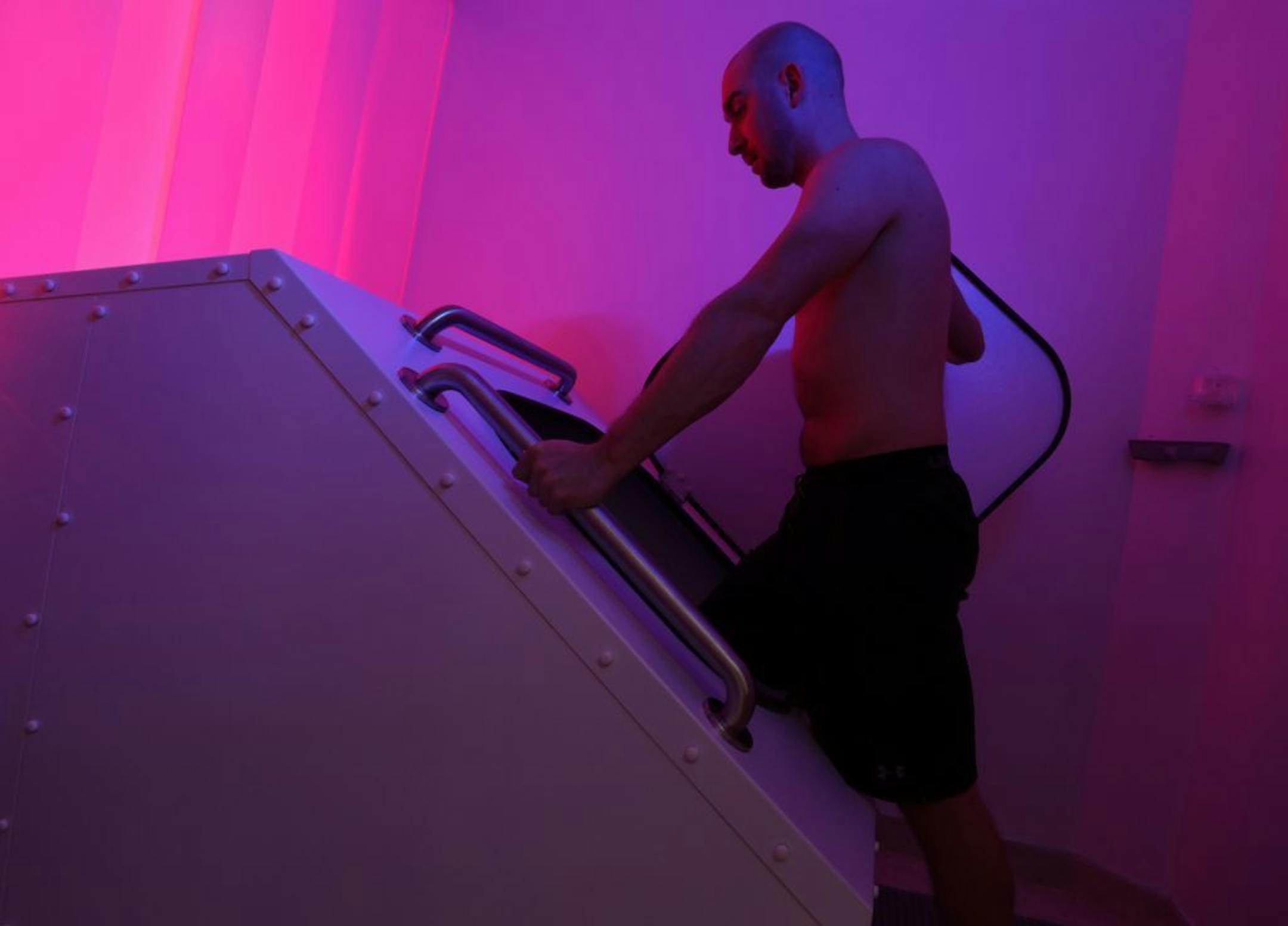
Then, out of curiosity, he stepped into a float tank.
"When I floated for the first time, so much stress dropped off that I was just blown away," Bonovsky said. "I was smiling from ear to ear and I couldn't tell you why. I just felt good, better than I had in years."
The Brooklyn Center resident bought a membership immediately after his first float and has been floating about once a week ever since. He quit drinking cold turkey after his fourth float and said nothing has been more beneficial for relieving stress than the float tank.
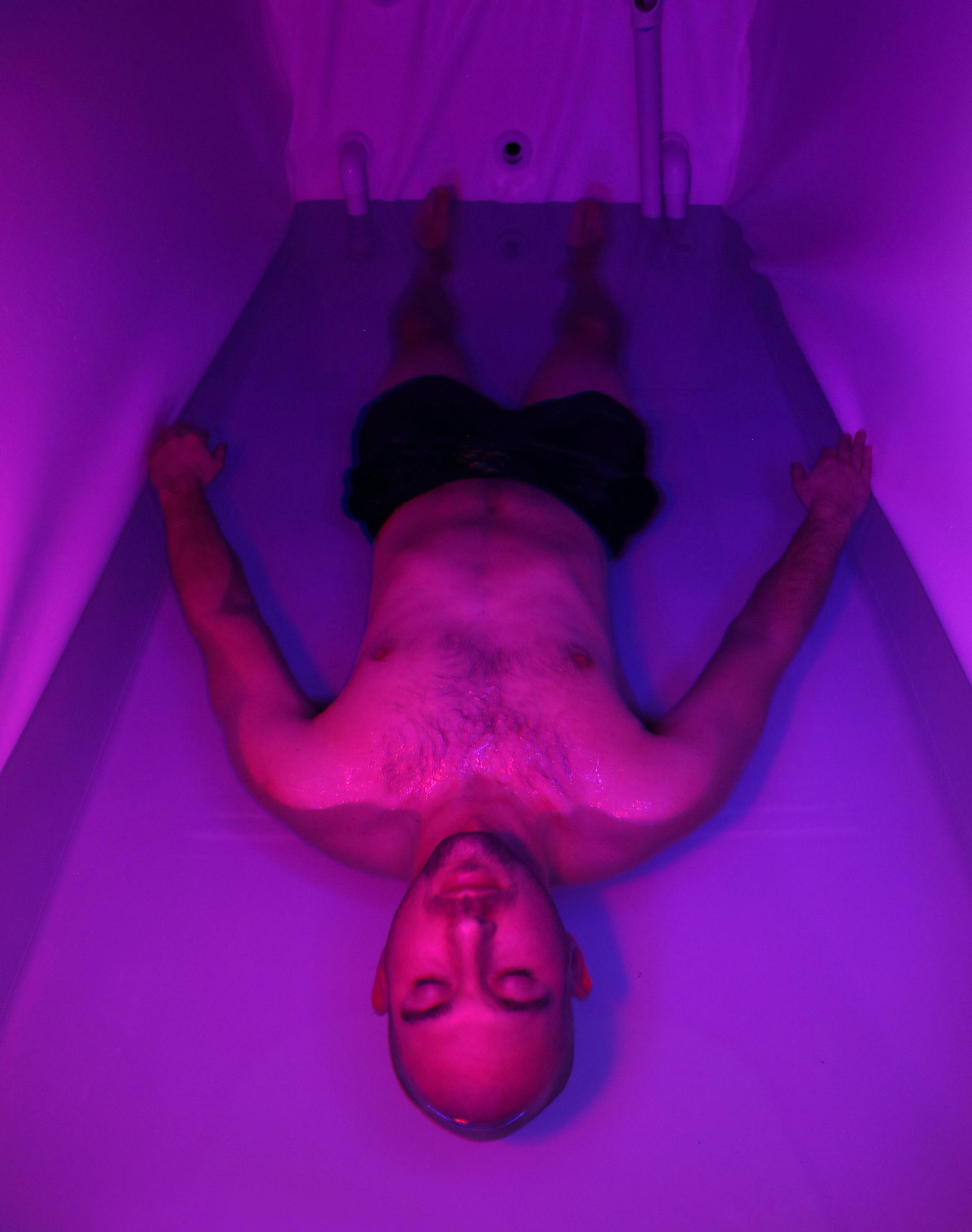
Float tank therapy, once a popular wellness practice for relaxation, meditation and chronic pain relief, is resurging in popularity in the Twin Cities. Floaters typically lie in an enclosed tank of supersaturated saltwater for 90 minutes. The water is traditionally about 10 inches deep and has greater than 35 percent Epsom salt salinity, which is higher than the Dead Sea, to allow people to float effortlessly.
"It's like a water bed without vinyl, because you are totally gravity-free," said Terri Burks, owner of the Wellness Center in Minneapolis, which has provided float tank therapy for over 20 years.
Float tank therapy is often called Restricted Environmental Stimulation Therapy or sensory deprivation therapy because tanks reduce external stimuli such as light, sound and touch. The nearly pitch-black tanks are silent, and the water is 93.5 degrees to match the body's external temperature. Because the body doesn't have to work at staying afloat or processing outside distractions, it can completely relax.