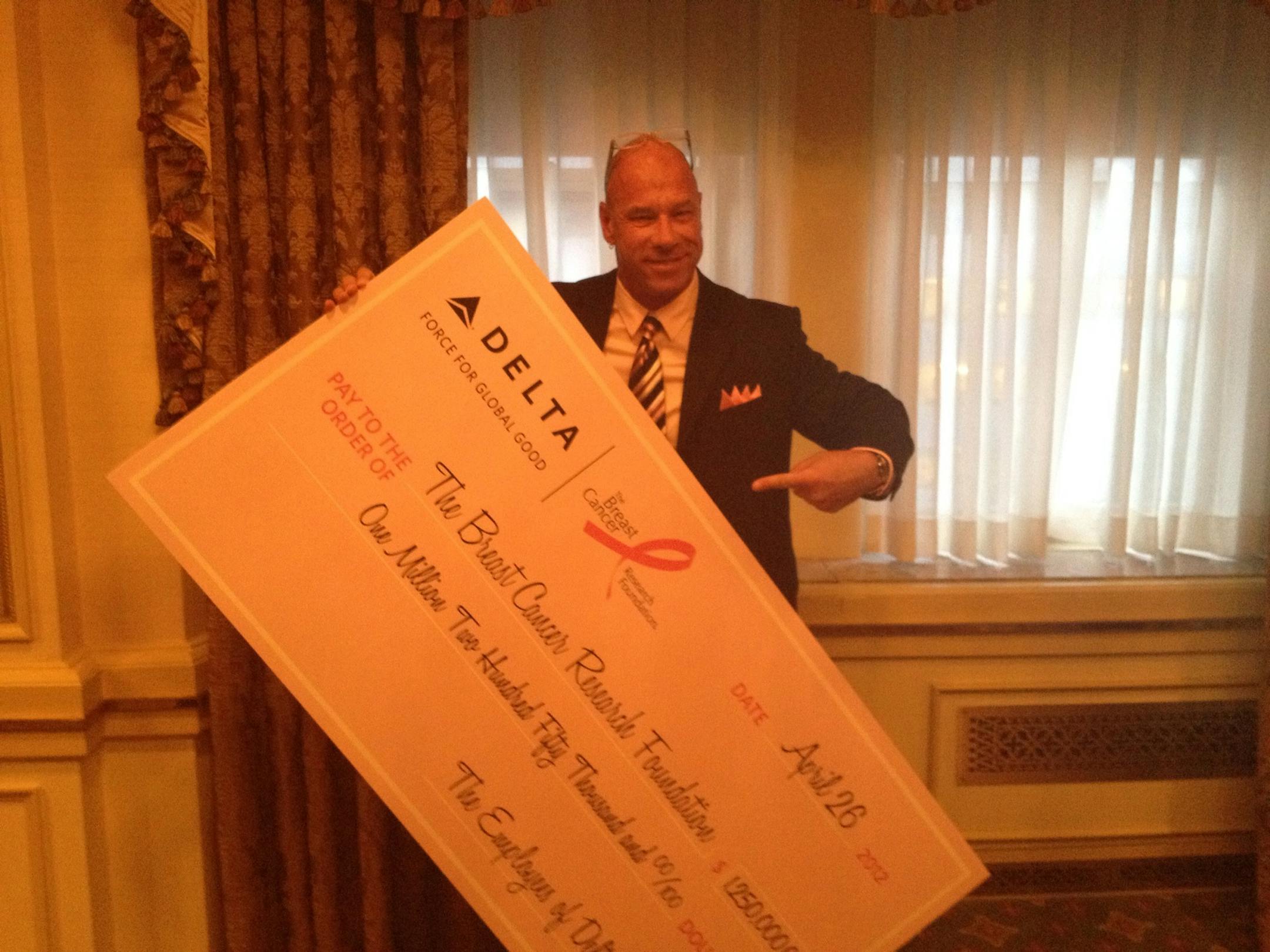
Henry Lund was beat after a long day as a flight attendant when he arrived at his Anchorage hotel desperate to sleep before a 4 a.m. wake-up call for the trip back to Minneapolis-St. Paul. He remembers taking a sleeping pill — maybe two.
The return trip last summer would end his long career at Delta and Northwest airlines.
Lund, 49, says he has no memory of the incident that got him fired: shoving and berating another flight attendant.
His experience illustrates a broader problem for the nation's flight attendants. While they share responsibility with pilots for passenger safety, they work with less rest than foreign flight attendants and can rely more on sleeping pills than can pilots.
Flight attendants exhausted from long hours and little rest have forgotten to engage or disarm emergency chutes, failed to properly stow baggage and carry out other safety duties. The federal government says the risk of mishaps may have increased as airlines cut rest periods to save money.
"They're showing up to work impaired," said Peter Roma, a researcher who helped conduct studies for the Federal Aviation Administration (FAA) on sleep deprivation and fatigue among flight attendants.
The hazards of fatigue appear in flight attendants' own words in dozens of voluntary reports to the FAA.
"If there were an evacuation, I doubted my abilities," wrote one about the impact of working 12 hours without a break. "I also felt like an endangerment to my passengers."