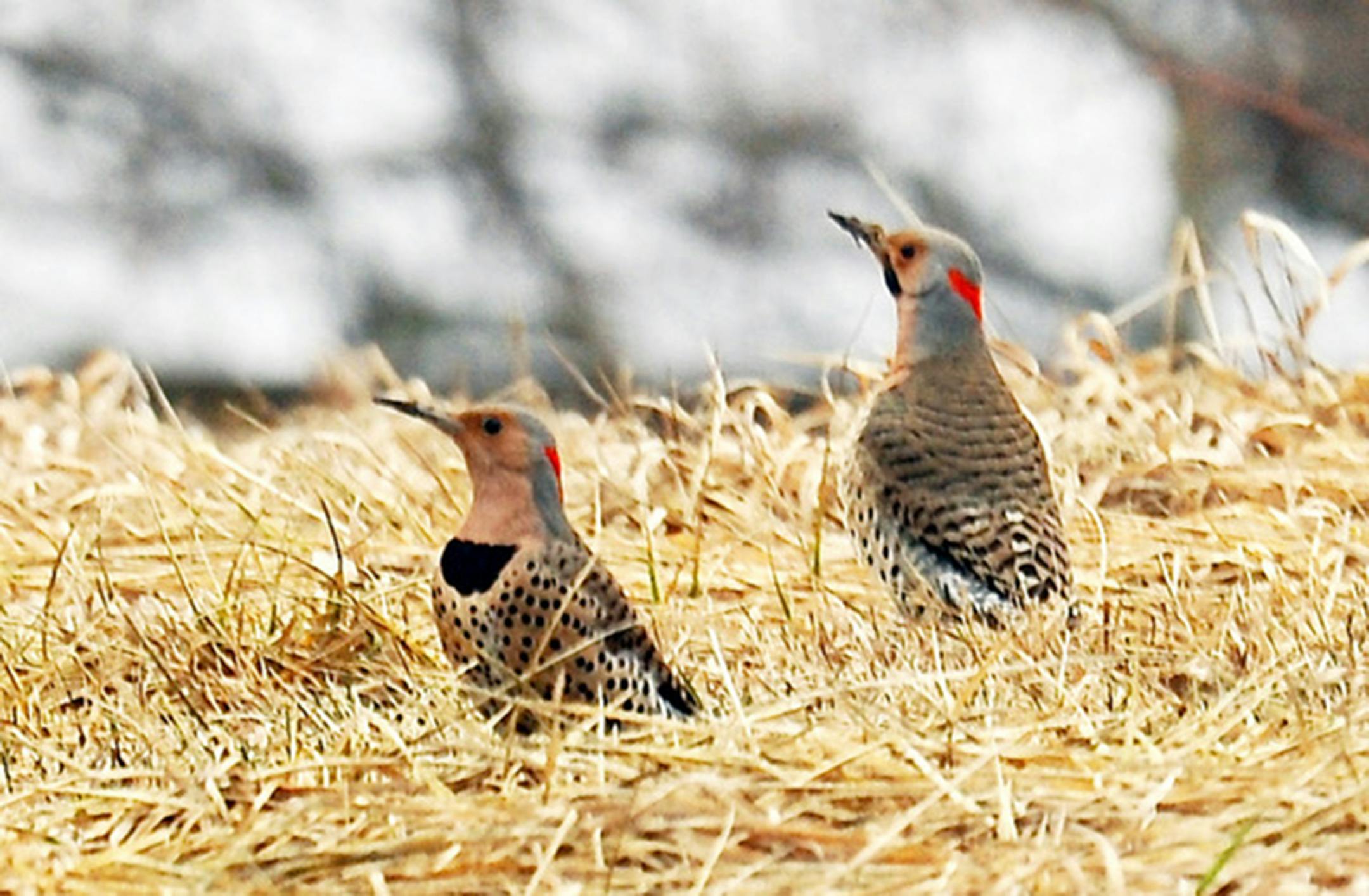
Q: A small group of flickers dropped into my yard in September and several of them were doing something wacky: They'd stand facing each other and dip and bob their heads repeatedly. What were they up to?
A: I've observed this kind of flicker behavior myself a few times so your query was a good opportunity to look into it. These birds, usually males, engage in head bobbing in spring, as a territorial display and in courtship. In the fall, the flickers engaging in this activity might be acting out and practicing aggressive postures that won't be needed until they return next spring.
Raptors vs. songbirds
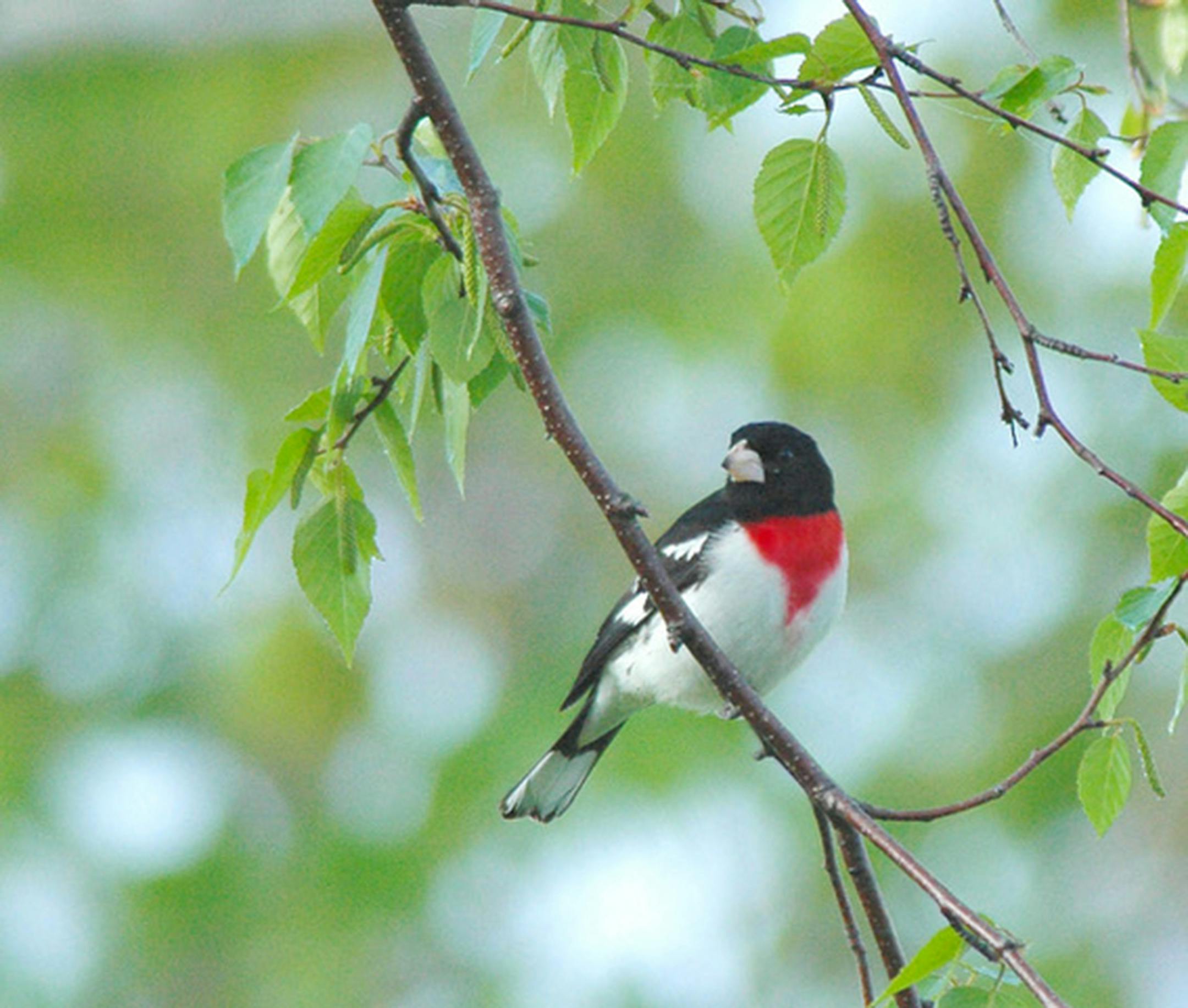
Q: Do eagles and owls pose the same kind of danger to songbirds as some hawks do? At our cabin we enjoy seeing the male rose-breasted grosbeaks in early spring, and then they seem to vanish. We have eagles and owls in the neighborhood, so I'm wondering if that red breast makes grosbeaks a target.
A: That is an excellent question and one I hadn't considered before you sent it in. A bit of research turned up the fact that male and female grosbeaks share parenting duties equally, from incubating their eggs to feeding the youngsters in the nest and after they fledge. I don't think eagles or owls are much of a threat: Eagles would be unlikely to snatch what, to them, is a very small meal, and are more focused on fish and carrion, while owls hunt mainly at night and are primarily searching for rodents. What's probably happening is that male grosbeaks are just very busy and well-hidden behind foliage in the summer. A tactic for detecting grosbeaks is to teach yourself their "crick" call, which they use much more in summer than their lovely song: www.allaboutbirds.org/guide/Rose-breasted_Grosbeak/sounds
Disappearing hummingbirds
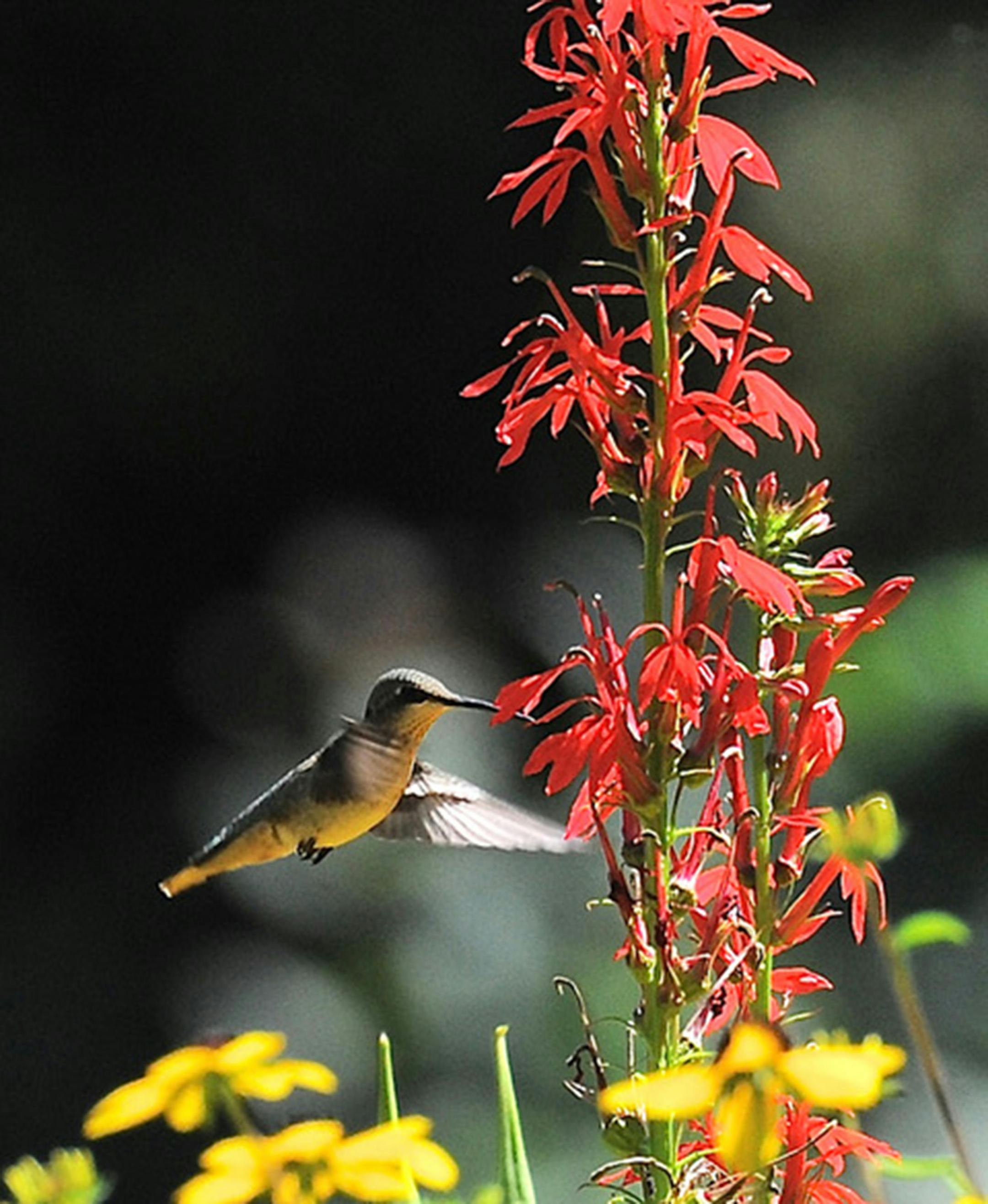
Q: Several readers, in mid-September, wrote in to ask why there suddenly were no hummingbirds at their nectar feeders.
A: Mid-September is right on schedule for hummingbirds to begin to disappear. The male birds head out as early as mid-August, while females and youngsters hatched this year begin their migration journeys some weeks later. This makes sense, because it gives very young birds a chance to gain a bit more maturity before beginning the arduous job of migrating. And it means that adult males and females won't be competing at the same time for the same food sources as they pause during their journeys.