

To say that turning post offices into banking centers is a good idea would be wrong. No, this is a spectacular idea.
Here's the U.S. Postal Service, forever on the verge of bankruptcy. It has threatened to close branches and stop Saturday delivery. The price of a first-class stamp just went up 3 cents to 49 cents. And so forth.
Last year, it cut its operating losses to $5 billion. Believe it or not, that's good. The USPS makes its own money, but answers to Congress anyway, and Congress says it must fund its pension liabilities 75 years into the future; last year, that cost $5.6 billion.
If post offices offered basic banking services, the Postal Service could easily scrape off 10 percent of the $89 billion spent on "alternative financial services" each year.
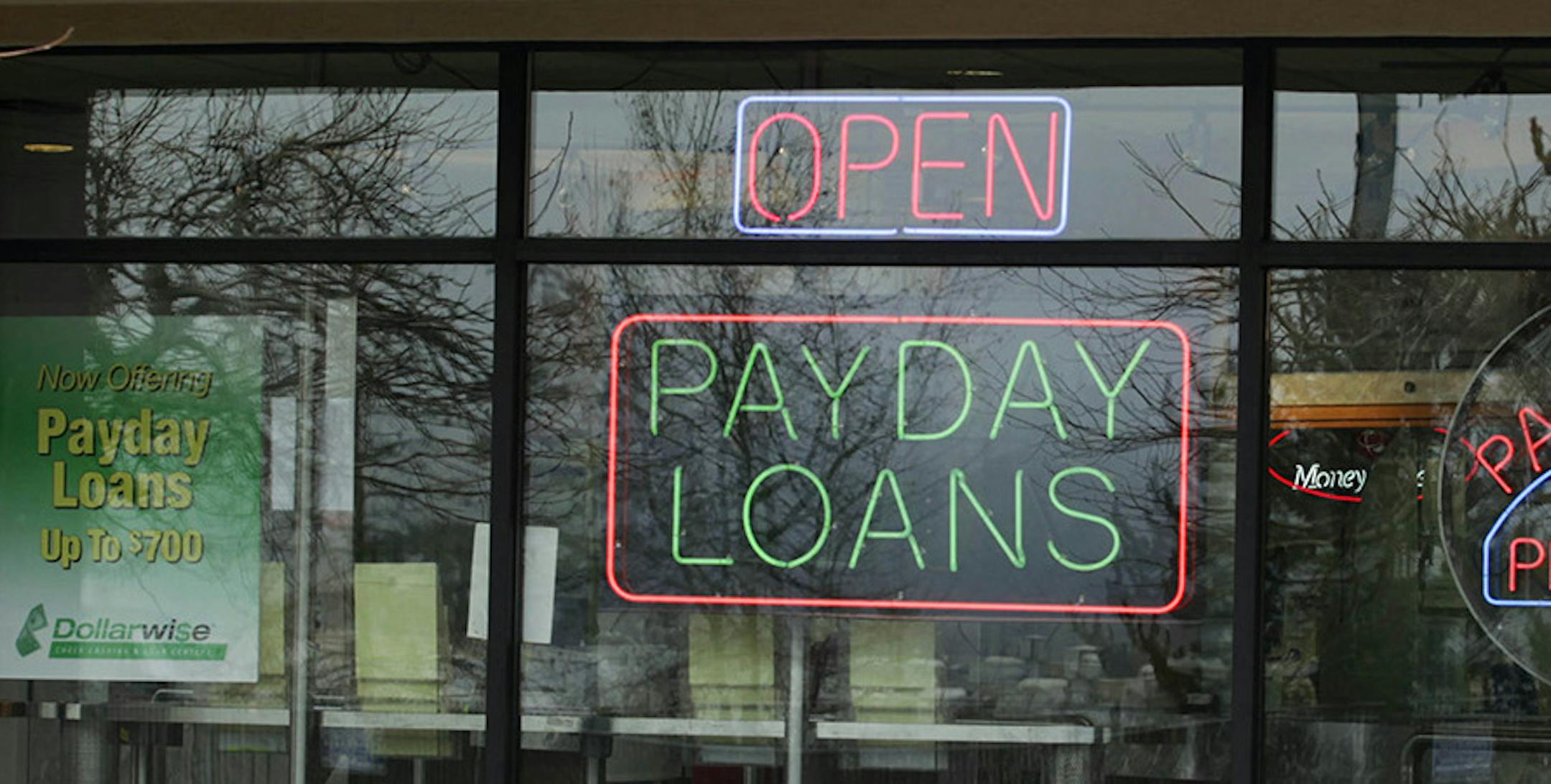
That money is spent largely by the 68 million American adults who don't have bank accounts. They pay their bills with cash or money orders. The average unbanked household spends $2,412 a year on alternative financial services, often falling prey to so-called payday lenders.
The average payday loan is for $375. It carries an average effective annual interest rate of 391 percent. Most are paid back over 4½ months, costing $520 on top of the principal. The Postal Service could make money by charging 28 percent interest, even giving the customer an extra month to pay. The $375 loan would cost only $48 in fees and interest.
Now, it might be argued that turning post offices into banking centers would be unfair to payday lenders, title lenders, rent-to-own centers and pawnshops. The proper response to that is: "What goes around, comes around."
This spectacular idea has been kicked around by policy wonks for years; indeed, until 1967 the Postal Service operated a kind a savings bank. But on Jan. 27, the big idea received a ringing endorsement in a white paper issued by David C. Williams, the Postal Service's inspector general.


