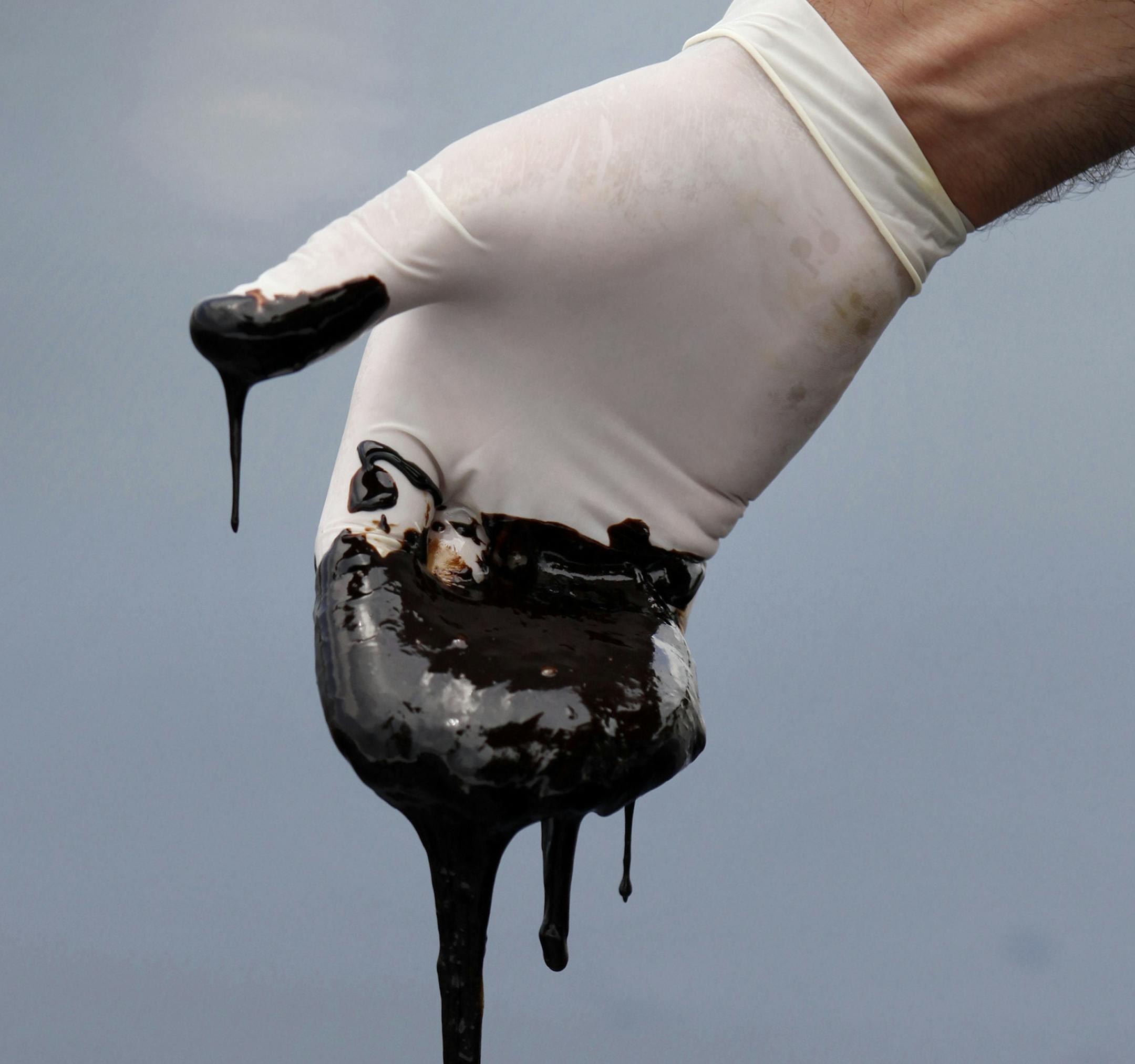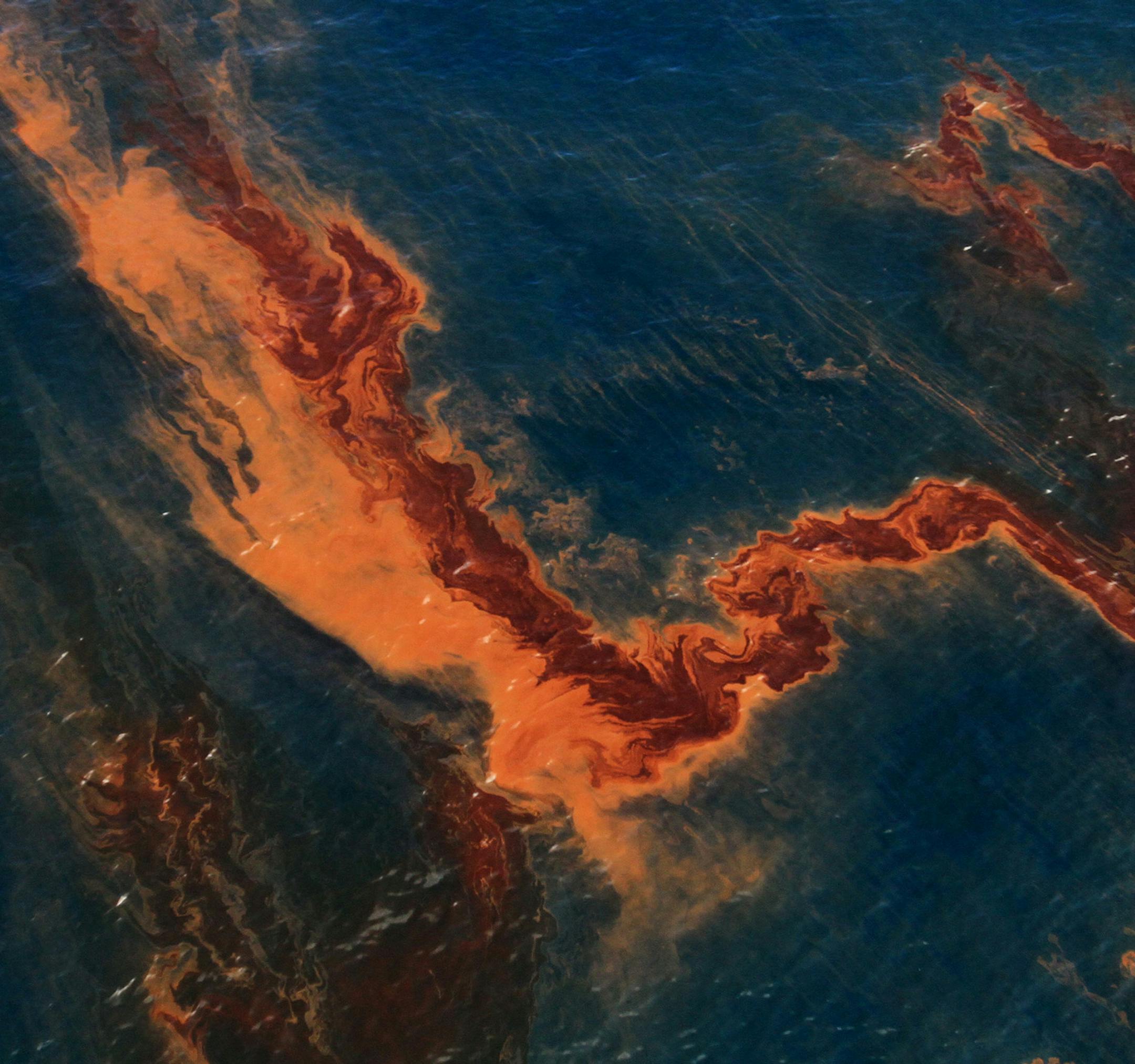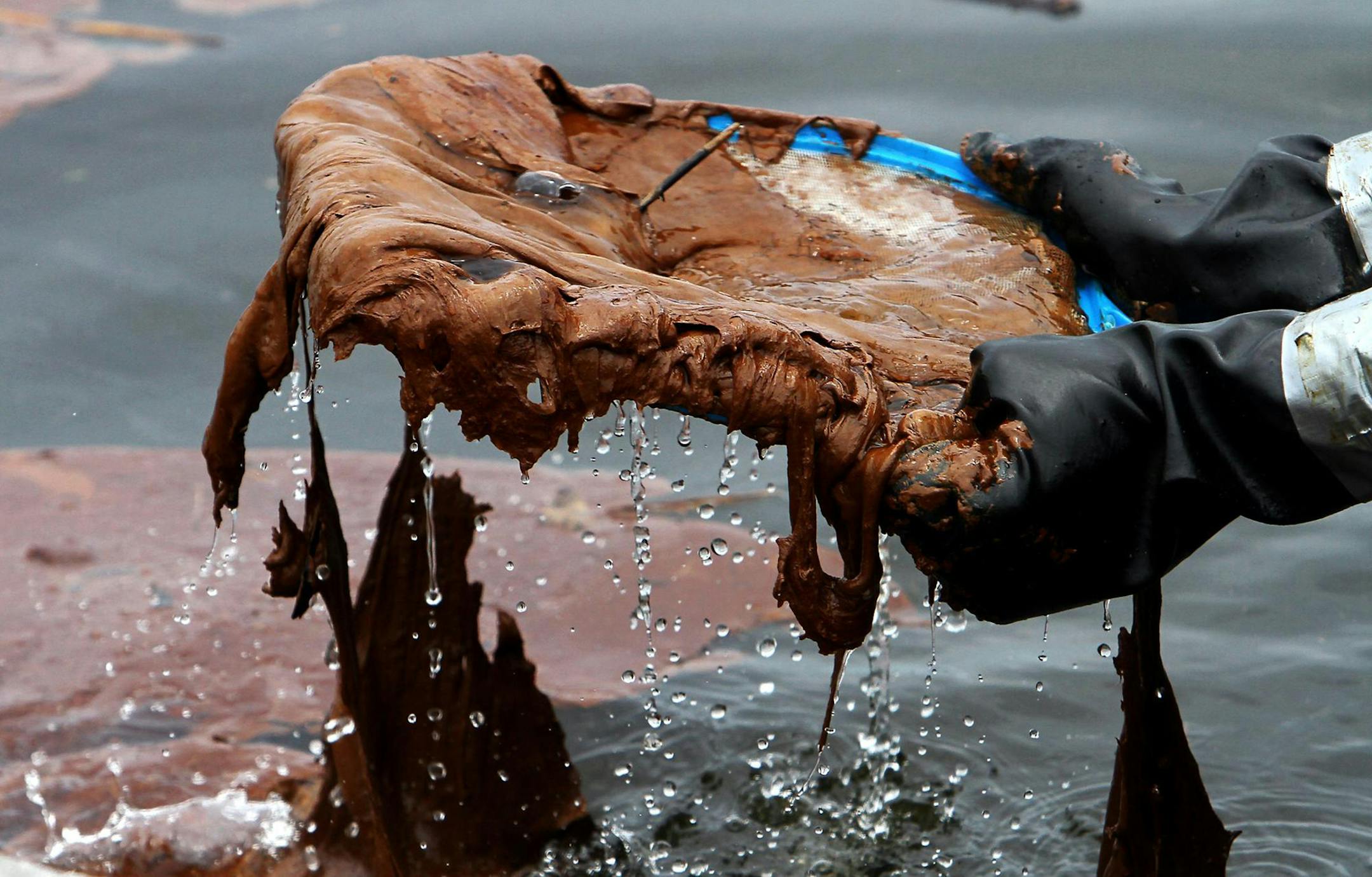
Vernon Asper is a scientist who works in the deep waters of the Gulf of Mexico, looking for oil. It's still out there, five years after the nation's worst oil spill — the Deepwater Horizon blowout in April 2010 that killed 11 rig workers and spewed what was estimated at the time to be 205 million gallons into the Gulf over three months.
How much is there and where it is are legitimate questions, but five years out, answers still aren't there.
It may have to be enough to know scientists are still looking and that some of it is accounted for — burned, skimmed, oxidized and eaten by bacteria. But it is in the deep waters. And learning how oil connects with sediment is important to finding where the oil is.
One theory is it collected and moved through a canyon on the Gulf floor like a series of underwater mountain streams, or stuck to the Continental shelf. About 10 million gallons was found to have settled on the Gulf floor around the rig.
Asper, a professor of marine sciences for the University of Southern Mississippi, and a team received an early grant that allowed them, within months, to place monitors in the deep, near BP's blown Macondo well, and they've been monitoring ever since. Science works methodically.
"That's the way science works. It's time-intensive," said Jessica Kastler, a geologist and education-program coordinator with USM's Gulf Coast Research Lab.
The science of the spill and its impact on the northern Gulf is a quiet drama playing out in the findings of an unprecedented amount of research in the Gulf. The picture is coming together like a puzzle with thousands of pieces. Many pieces are still missing or kept from the public by a massive federal legal case being put together to determine what the spill, and the chemicals used to fight it, did to the environment.
It could easily be two decades before the small pieces of truth assemble into a cohesive picture of what the spill did to the ecosystem, Kastler said, an indication of how truly big the spill was.
Monty Graham, head of USM's Marine Science Department and the Research Lab, said money flowing in for research will make the Gulf of Mexico the most-studied body of water in the world.
This research is building a catalog of work that just wasn't there before the spill, and it's expected to continue for 30 years.
Emerging pieces of the picture show that oil and the chemical dispersants used to break it up are likely contributing to the largest and longest-lasting dolphin die-off on record in the Gulf of Mexico that included dozens of still-born calves.
Scientists found oil entered the food chain in the smallest of organisms of the Gulf near Mobile Bay shortly after the spill. Toxicology studies show a mix of oil and dispersants hurt animals more than oil alone, partly because breaking down the oil makes it easier to consume.