

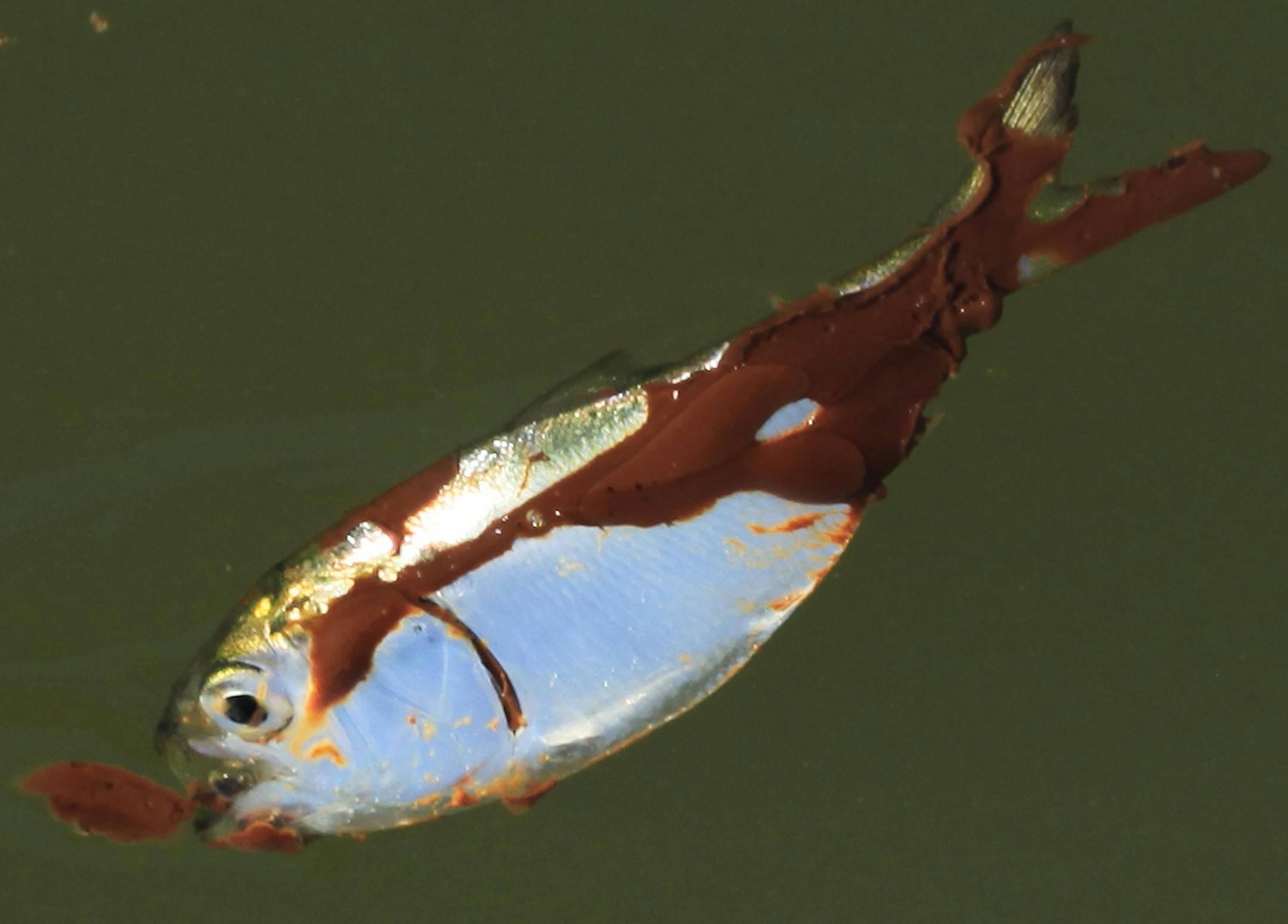
On Monday, it will be five years since BP's Deepwater Horizon oil rig exploded, killing 11 men and unleashing more than 100 million gallons of oil into the Gulf of Mexico. BP has set aside $42 billion to pay fines, compensate victims, and clean up the sea and the coastline. That is a staggering sum. And the final bill could be even higher.
In February, a federal judge rejected BP's plea that its fines under the Clean Water Act should be limited to $9.57 billion, ruling that $13.7 billion would be more appropriate. In addition, trustees from federal agencies, the affected states (Alabama, Louisiana, Mississippi, Florida and Texas) and Indian tribes are overseeing a "Natural Resource Damage Assessment" (NRDA) to determine how much damage has been done and what BP must pay to clean it up.
It would suit the government if those estimates turned out to be high. Politically, BP is an easy target. It is an oil firm. It is foreign. And it genuinely messed up.
Plus, the government gets to spend some of the moolah. Small wonder the early official estimates of damage differ from BP's.
A recent report from the oil giant finds that the available data do not indicate "a significant long-term impact to the population of any Gulf species." Shrimp harvests are up. Seabirds are breeding much as before. As early as August 2010, less than 2 percent of water samples showed more oil-related chemicals than the Environmental Protection Agency deems safe for marine life. "The few areas where there were potentially harmful exposures were limited in space and time, mostly in the area very close to the wellhead during the spring and summer of 2010," says BP.
Trustees compiling the NRDA retort that BP "misinterprets and misapplies data." Ben Sherman of the National Oceanic and Atmospheric Administration (NOAA), which advises the Coast Guard on scientific issues, says it is too soon to assess the damage. The effects of oil remnants on the Gulf bottom, the shoreline and deepwater corals are disputed, as is the extent to which the accident drove away tourists.
The firm has so far spent about $12 billion to settle some 300,000 private claims. Some of these were fraudulent. BP says it has paid out more than $500 million to people with bogus or exaggerated claims, such as a phone shop that burned down before the spill. It is unlikely to recover much of that.
Nonetheless, green groups say BP has gotten off lightly. The National Wildlife Federation (NWF) asserts that dead Bottlenose dolphins were found on the Louisiana coast last year at four times historic rates. They have been dying in unusually high numbers since 2010; some studies blame the oil. Brown pelicans seem to be suffering, too; models and carcass counts suggests that 12 percent of the local population died in the spill's aftermath. (Although estimates of pelican deaths may have been high because more people than ever before were counting the bodies.) Other research concludes that sperm whales, acrobat ants and bluefin tuna have suffered.


