FIVE STORY LINES
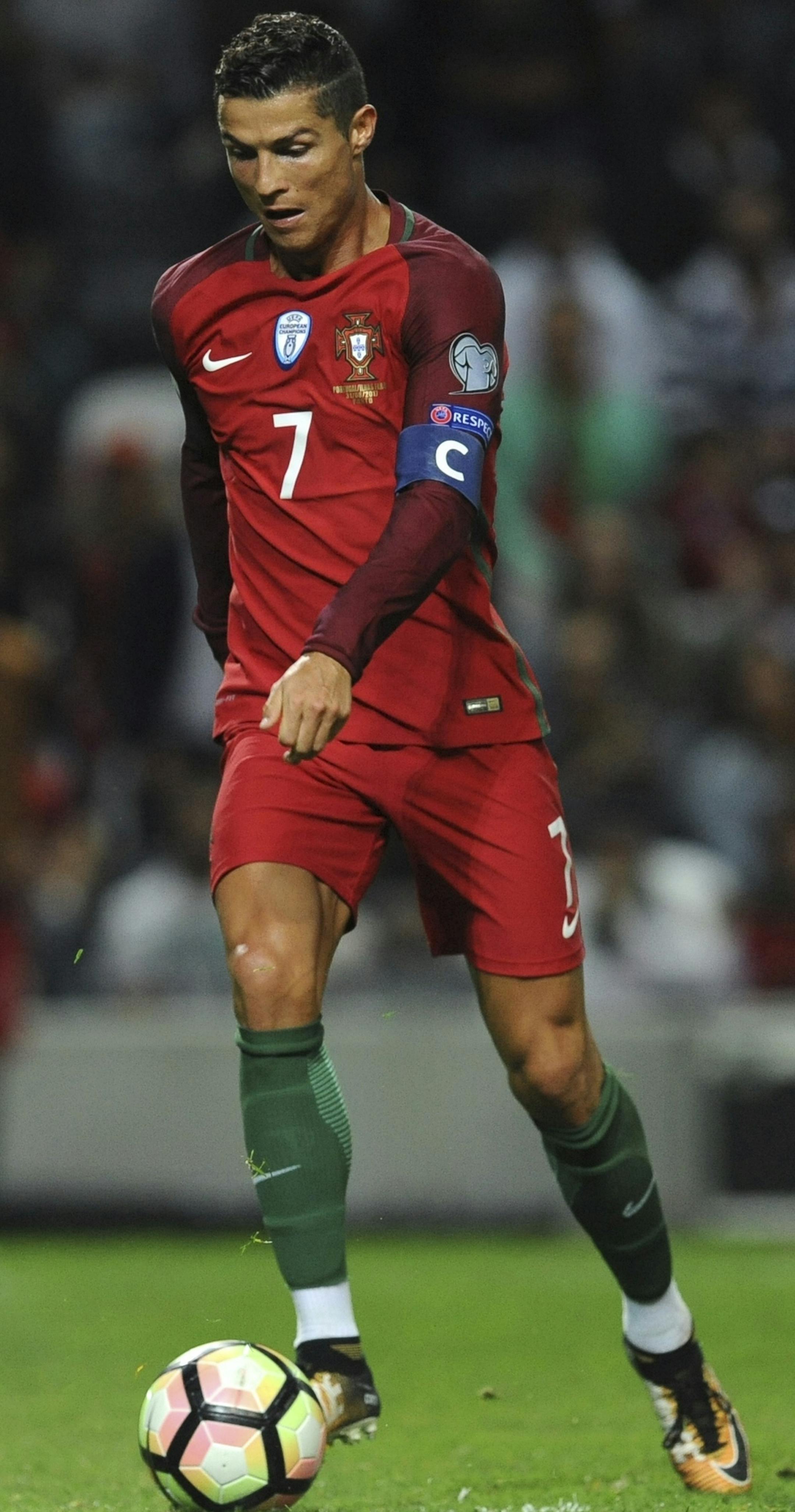
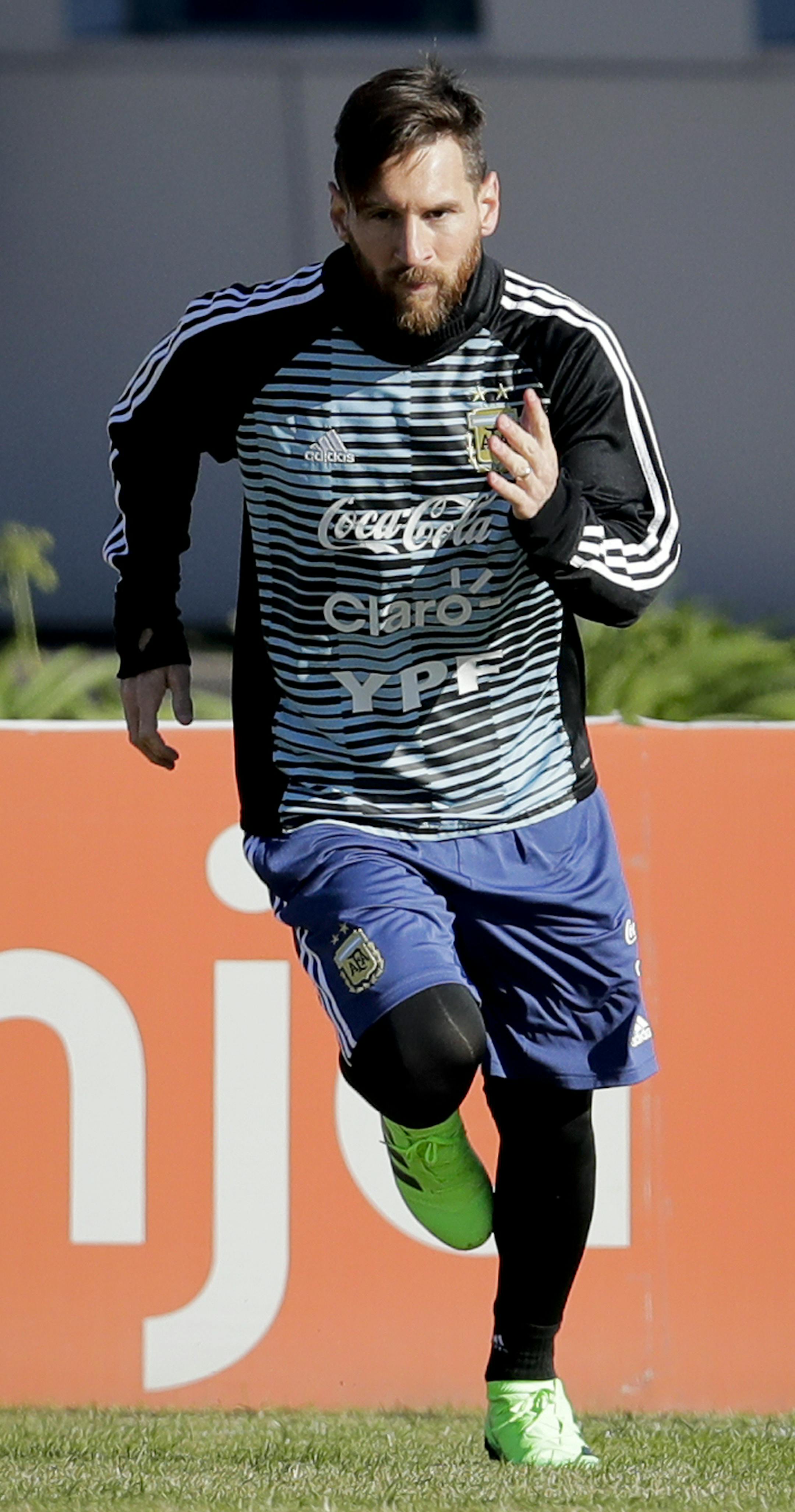
1) Who's better: Portugal's Cristiano Ronaldo or Argentina's Lionel Messi?
That's a debate for the ages, and this year's World Cup could add fuel on either side of the argument. Neither has held soccer's biggest prize, and this summer's tournament could be the last chance at capturing a World Cup title for both: Ronaldo will be 37 when the next World Cup kicks off in Qatar while Messi, his longtime rival in Spain's La Liga, will be 35. Messi came close in 2014, with Argentina falling to Germany 1-0 in the final.
They are among a number of stars to watch in this year's World Cup, a list that also includes Neymar (Brazil), Mohamed Salah (Egypt), David de Gea (Spain), Eden Hazard (Belgium), Antoine Griezmann (France), James Rodriguez (Colombia), Thomas Mueller (Germany) and Gabriel Jesus (Brazil).
2) In the group stage, the top two teams advance to knockout play. The top team from Group A plays the second-place team in Group B, and the second-place team in A plays the top team in B. Groups C-D, E-F, and G-H work the same way. According to simulations of possible outcomes run by Gracenote, here is the percent chance each team in each group will advance to the knockout stage. (In each case, the numbers add up to 200 because two teams from each group make it).
• Group A: Uruguay (77 percent), Russia (60), Egypt (36), Saudi Arabia (27)
• Group B: Spain (76), Portugal (58), Iran (35), Morocco (30).
• Group C: France (69), Peru (68). Denmark (35), Australia (27).
• Group D: Argentina (82), Croatia (57), Iceland (35), Nigeria (27).