

Opinion editor's note: Star Tribune Opinion publishes a mix of national and local commentaries online and in print each day. To contribute, click here.
•••
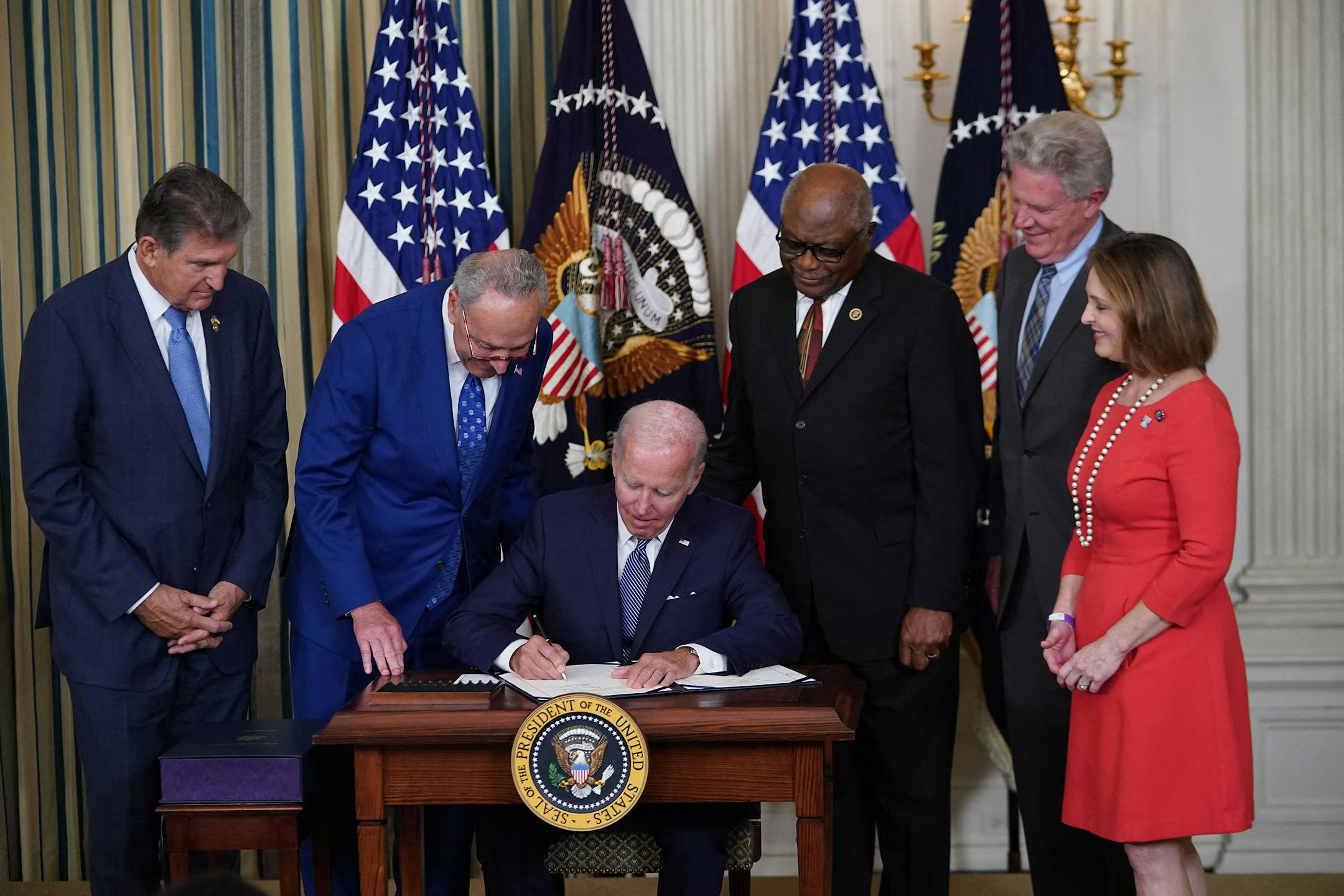
One year ago, President Joe Biden signed the Inflation Reduction Act, the nation's most significant action yet to combat climate change. The law dedicated $369 billion to boost renewable energy production and manufacturing, help homeowners install rooftop solar panels, switch to efficient electric appliances, drive up sales of electric vehicles and get the U.S. closer to meeting Biden's goal of cutting greenhouse gas pollution in half by 2030.
The array of new tax credits, rebates and incentives has started a remarkable transformation from a fossil fuel-based economy toward one powered by renewable energy like wind and solar. Here are five takeaways of what's working so far — and what's not.
1) Domestic clean energy is booming.
More than 200 major clean-energy projects and $86 billion in private investments have been announced since the law was signed, most of them manufacturing operations in the electric vehicle, battery and solar industries, according to an analysis by E2, a nonpartisan business group.
The South and Midwest are leading the nation in the number of new projects, which include a cluster of solar manufacturing facilities, electric vehicle plants, battery gigafactories, in an area stretching from Michigan to Georgia now dubbed the 'battery belt."
Republican-held congressional districts are reaping the greatest benefits, accounting for 18 of the top 20 districts for clean energy investments, according to the report. It's ironic that the law passed without a single Republican vote.


