![Shelly Holland spent sometime ice fishing on Medicine Lake Sunday March 9, 2014 in Plymouth , Minnesota . ] JERRY HOLT jerry.holt@startribune.com Jerry Holt](https://arc.stimg.co/startribunemedia/6A66ZUREQLD4MMMMR2UYZWFLDA.jpg?&w=1080)
Minnesota's ice anglers by necessity must operate at extremes: Patient, as they wait for Mother Nature to produce the conditions that create ice, yet ready to spring into action, as the ice-fishing season already is a short one to begin with.
Though some folks look askance at anyone who would head out into freezing conditions, walk or drive upon frozen water, and dangle a lure or bait through a small hole, the reality is ice fishing seems to be gaining in popularity in states such as Minnesota and Wisconsin. When the lakes are frozen, it's the only way to scratch the fishing itch, though for some passionate fishermen and women, open-water fishing actually plays second fiddle to ice fishing.
While it's difficult to know exactly how many people ice fish in Minnesota — regular fishing licenses allow people to fish for an entire year — it's impossible to overlook the towns of ice-fishing shelters that form on many lakes, the technological advances when it comes to ice-fishing equipment and lures, or the multitude of people who plan ice-fishing vacations to lakes such as Mille Lacs, Lake of the Woods, Upper Red and Winnibigoshish.
As the beginning of this year's ice season draws closer, here are five things to watch:
1. Make things easier
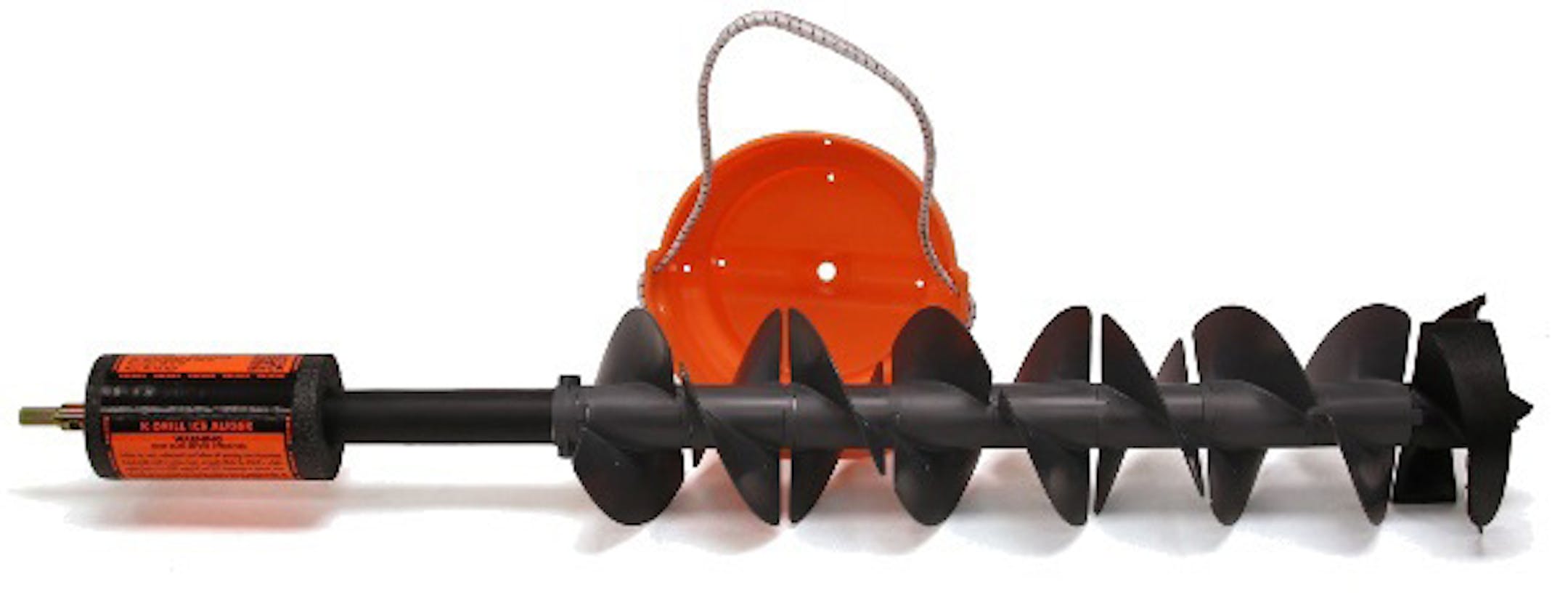
The ice-fishing equipment available today makes the sport easier and more efficient than ever, said Jeff "Boomer" Stelmach, an avid ice angler and outdoor personality. Among the first new pieces of gear he points to is the K-Drill, an auger that weighs less than 10 pounds and operates off an electric drill. Not only are the augers light, but also they don't require gas and can pop plenty of holes in the ice before needing to be recharged, Stelmach said. Using a K-Drill has afforded him the opportunity to ice fish more with his daughter.
"I have spilled gas on an insulated fish house, and the smell lasted all winter," he said. "My daughter wouldn't fish with me the rest of the winter."
And when it comes to lures, nothing has changed the ice-fishing game like plastics that are every bit as realistic as minnows or wax worms — and that stay on the hook better than live baits — and the advent of tungsten jig heads, Stelmach said.
"Tungsten is 30 percent heavier than lead, so it drops down the hole faster," he said. "Fish in the winter often move in schools, so the more time your bait is in the water, the more fish you're going to catch."