

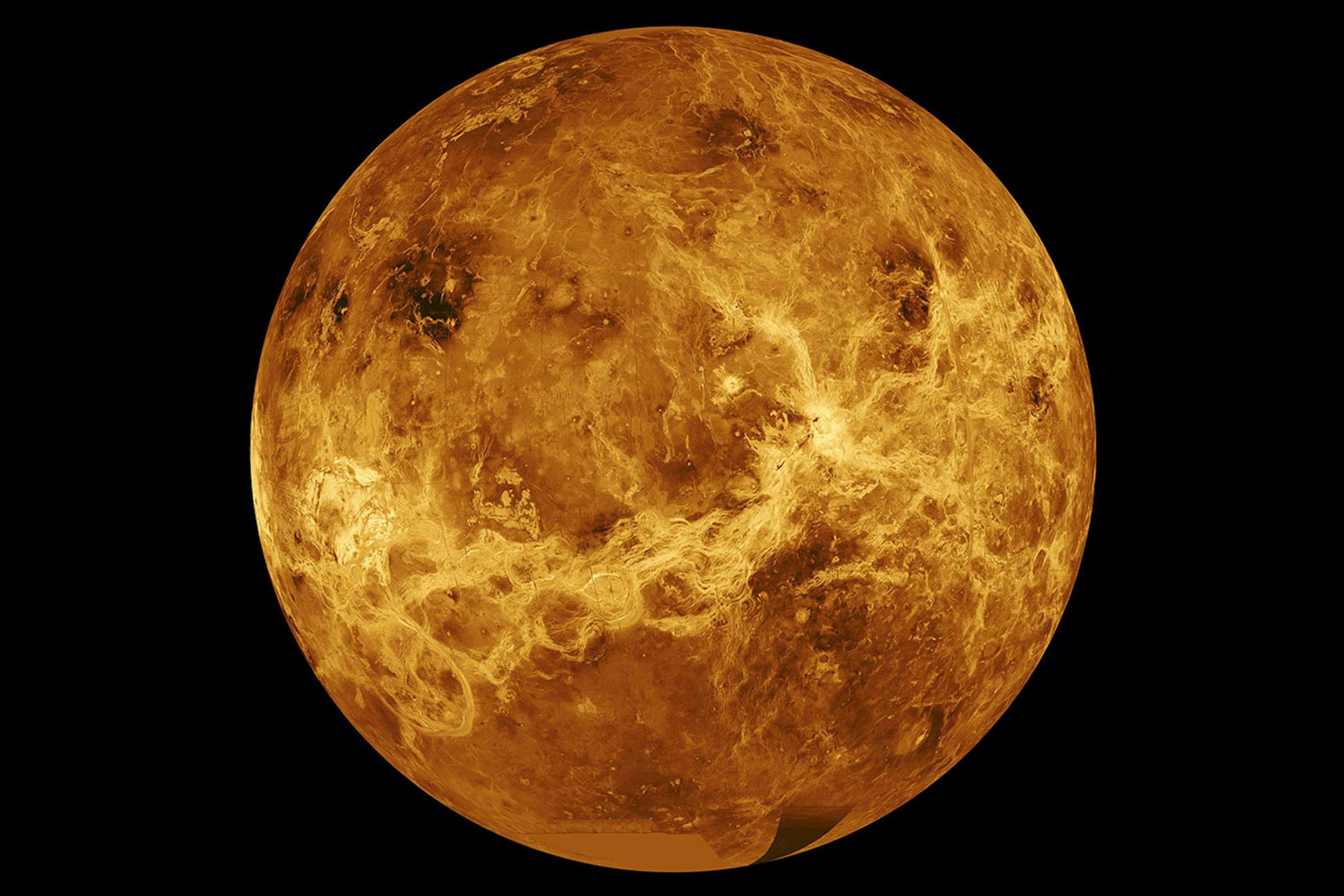
The best planetary party in 18 years has begun. Like a 17th-century astronomer, you can join it by just looking up.
Throughout June, sky watchers can see Earth's five closest planetary neighbors in a row with their naked eyes. About half an hour before sunrise, Mercury, Venus, Mars, Jupiter and Saturn are aligned in their natural order from the sun stretching in a diagonal starting low in the east. On June 3 and 4, the distance between Mercury and Saturn was only 91 degrees.
"Planets are often getting closer to each other and farther away from each other, but this is just a particularly fun order. It's just coincidence," said Michelle Thaller, an astronomer at NASA. "It's just kind of this really sort of fun tour of the solar system that you can take for free."
When celestial bodies appear close together from Earth, astronomers call the spectacle a conjunction. Conjunctions of a few planets are fairly common and occur every few years or so, but all five planets line up only once every two decades. The last time the five planets aligned was in December 2004, and the next alignment will not occur until 2040. Because of different orbits and tilts, all eight planets will never be perfectly aligned.
---
How to watch
While a telescope or binoculars can aid sky-gazing, the planets will shine brighter than surrounding stars and should be easy to spot with the naked eye. Just head out about 30 minutes before sunrise and hope for a clear horizon. Darker skies are better, but the planets will stand out even over city lights.
"Even in the city, these are bright enough - you should be able to see. Go up on a friend's balcony or on the rooftop. As long as you can get a nice clear horizon and clear skies, you can see it," Thaller said.


