

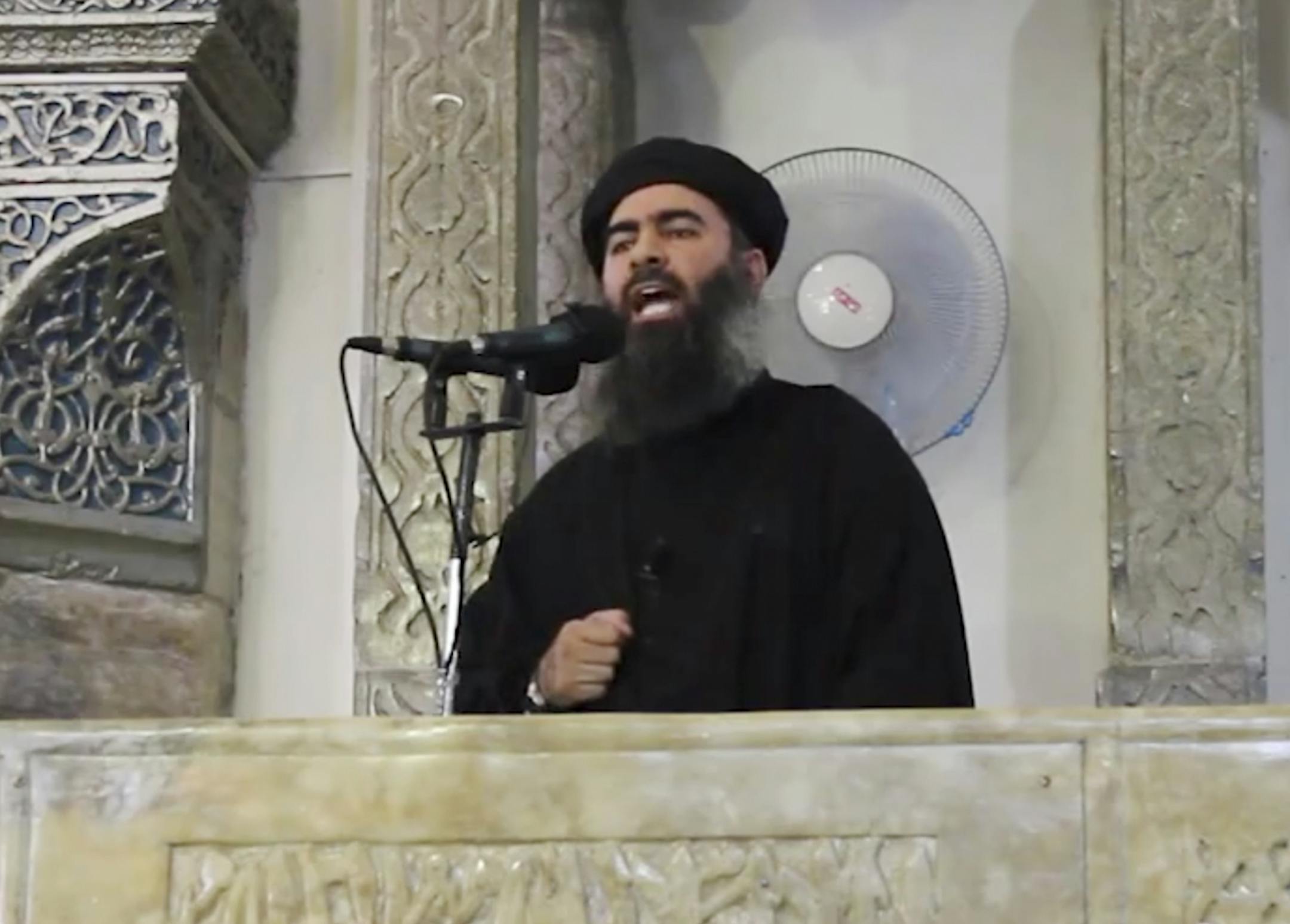
The Islamic State of Iraq and the Levant (ISIL) has changed its name more often than a rock band. The Sunni extremist group that has fought in Syria and plotted attacks in Saudi Arabia and Lebanon has now upped the stakes, advancing through Iraq and declaring itself the Islamic State (IS). In Iraq and Syria, the group has slaughtered Shiites and members of other religious groups it deems apostates, as well as Sunnis perceived as collaborators with the government. Its brutality has led to confusion about its aims and dangers. In the spirit of "know your enemy," let's dispense with some myths about IS.
1. The Islamic State is part of Al-Qaida.
IS and Al-Qaida have a long and tangled relationship: once close allies, now bitter enemies.
The Islamic State's many name changes over the years suggest this tension. Jihadist groups took off in Iraq after the 2003 U.S. invasion, and many coalesced around Abu Musab al-Zarqawi, a Jordanian who had worked with but was not part of Al-Qaida. Zarqawi eventually swore loyalty to Osama bin Laden in October 2004, and his group took the name Al-Qaida in Iraq. Yet even in its early days, the group bickered with Al-Qaida leaders over strategy, with Ayman al-Zawahiri and bin Laden stressing U.S. targets while al-Zarqawi and his successors emphasized sectarian war. They pursued conflict with Iraq's Shiites and tried to terrorize, not win over, Sunni Muslims.
Al-Qaida and IS differ on tactics, strategy and leadership. IS leader Abu Bakr al-Baghdadi embraces beheadings and crucifixions, and he focuses on local regimes and rivals, ignoring al-Zawahiri's credo of hitting the "far enemy" — the United States.
These differences came to a head in Syria, when al-Zawahiri designated the relatively more restrained Jabhat al-Nusra (JN) as Al-Qaida's local affiliate. Al-Baghdadi believes that his group should be in charge of jihadist operations in Iraq, Syria, Lebanon and Jordan. The two groups turned on each other, with their infighting reportedly killing thousands.
The dramatic campaign in Iraq may help Baghdadi eclipse al-Zawahiri. Al-Qaida is hounded by drones, while al-Baghdadi can claim that he is leading the fight against the apostates — a popular cause given the sectarianism sweeping the region.
2. The creation of the IS means the group is ready to govern.
IS now controls parts of eastern Syria and western Iraq. Much of this is desert, but IS also administers important cities such as Raqqah in Syria and Mosul in Iraq. As the Islamic State, it hopes to gain legitimacy by governing according to its extreme interpretation of Islamic law and thus gain more volunteers and financial support.
Islamist terrorists can govern successfully: Hamas has controlled Gaza for seven years now, and Hezbollah has exercised de facto control over parts of Lebanon for decades. Both groups run schools, hospitals and basic services. However, when IS's predecessors controlled western Iraq a decade ago, they ruled disastrously. Their brutality and incompetence alienated local Sunnis, contributing to the Awakening movement that almost obliterated the jihadists.


