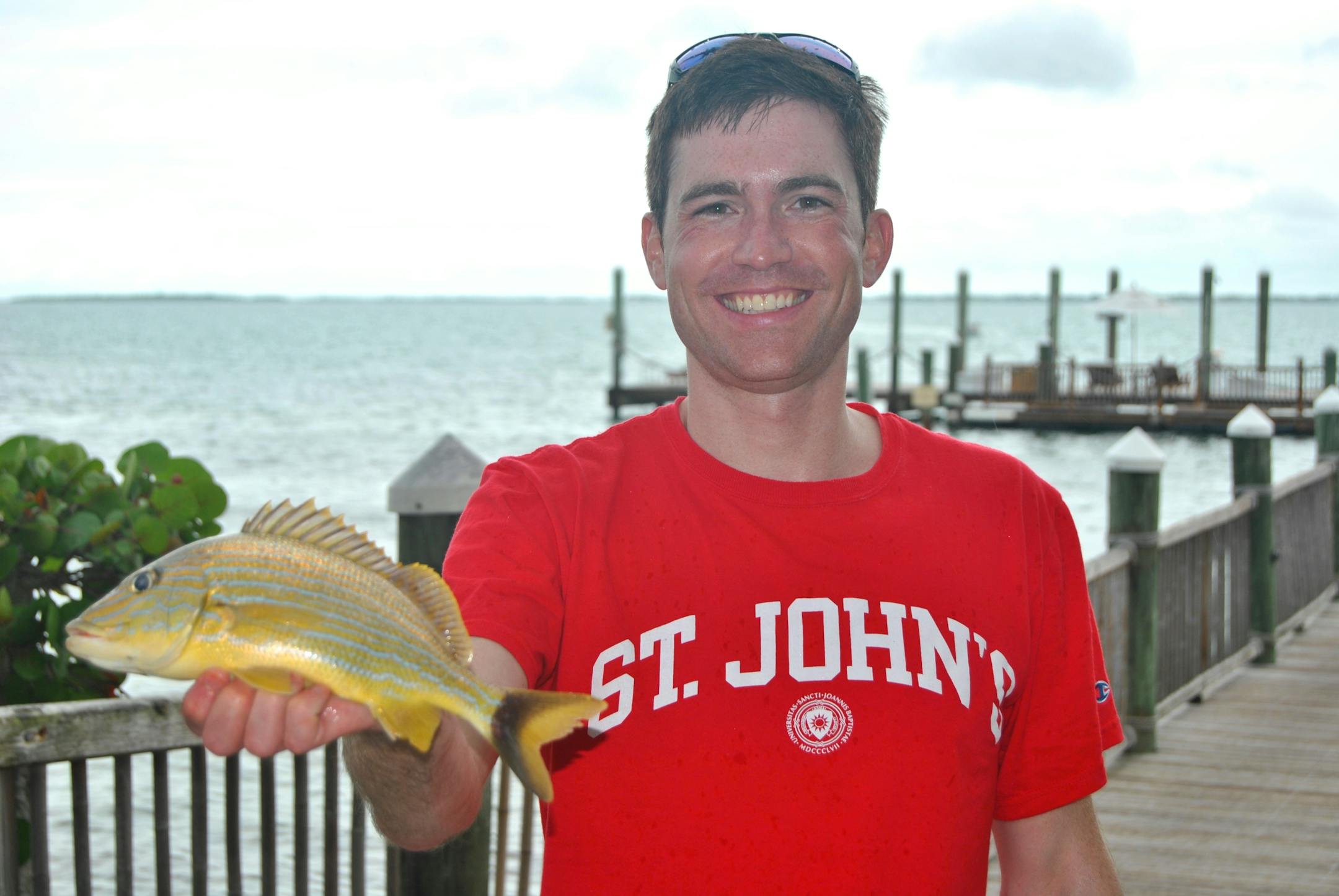
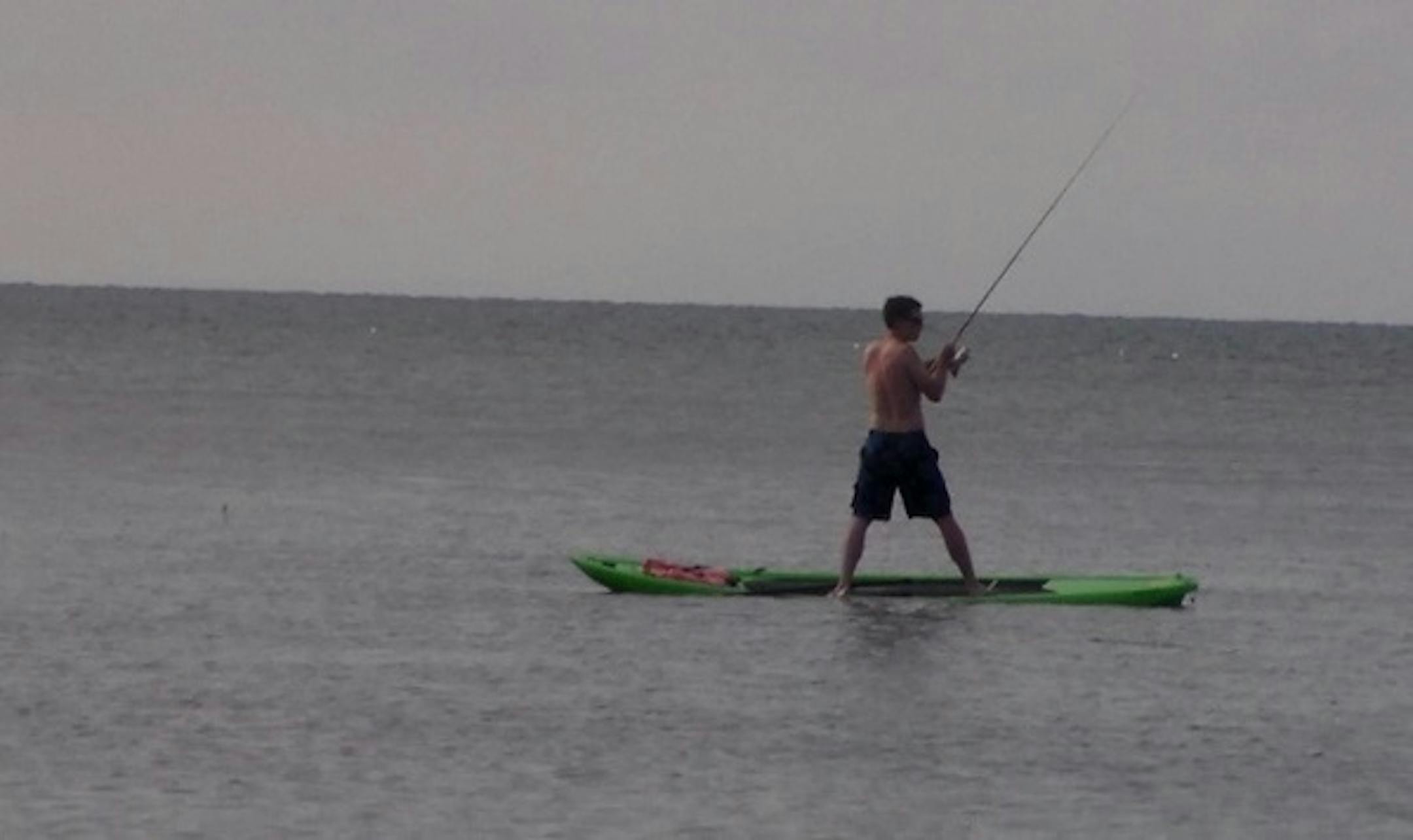
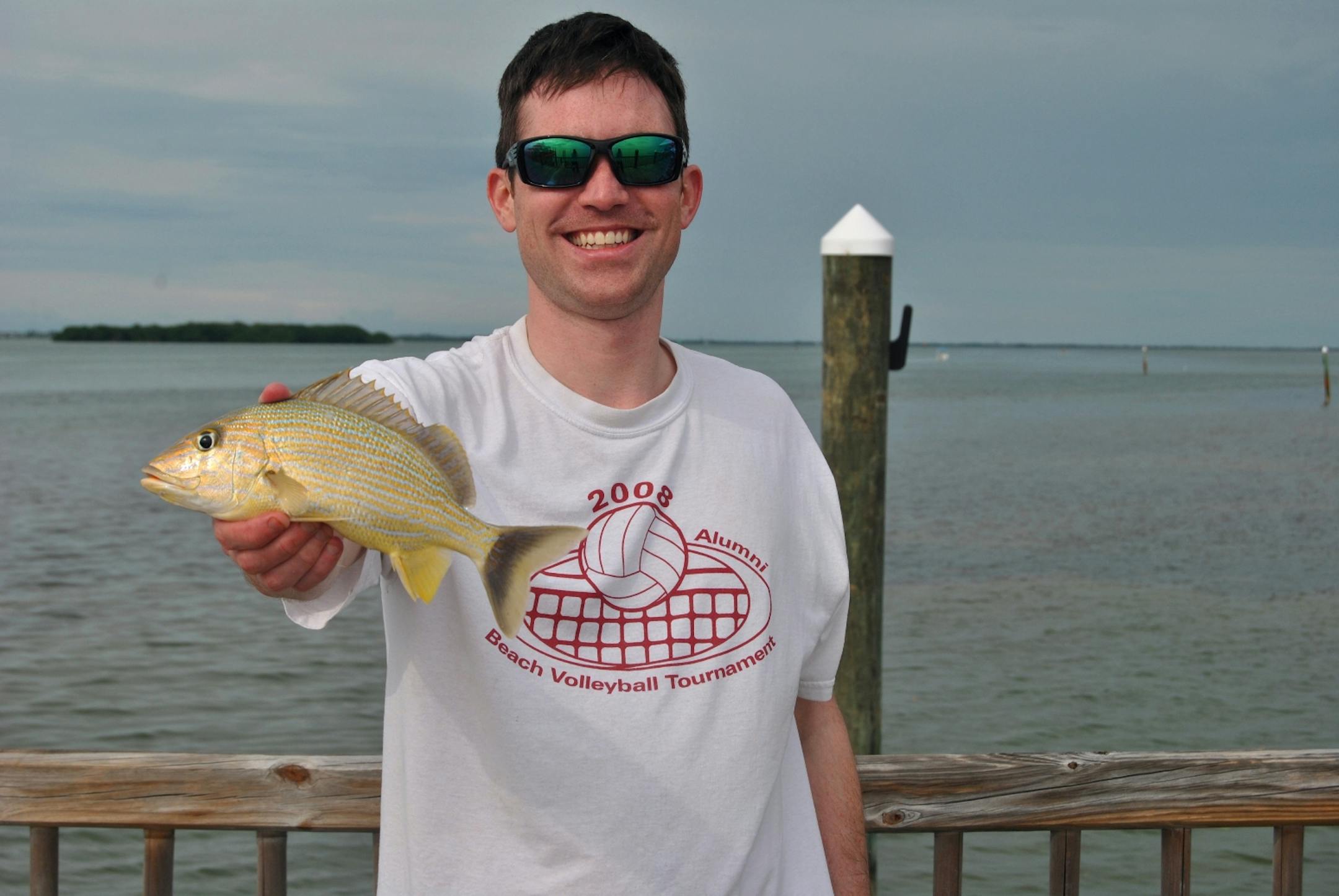
Giant tarpon are swarming like sharks in the black water, devouring their prey whole. The predators leap out of the water in pursuit of their quarry––each splash so sudden and severe it startles me into flinching. The sun will not rise over the Atlantic Ocean for another two hours, but spotlights under Little Palm Island's dock illuminate just enough water for me to spot a tarpon cruising for something to kill. I toss my bait out in front of the notoriously finicky fish, and it slowly swims toward it.
My eyes grow wide as saucers as the tarpon inhales the pilchard a dozen yards in front of me and I set the hook as hard as I can. Tarpon are famous for their leaping ability, and this one is no exception. Hating the feeling of the hook in her front lip, she promptly goes airborne. The aerial assault she launches seems to wake every creature within earshot. It definitely causes my heart to jump into my throat.
I've never before hooked a tarpon, but I've seen the photos and videos and have read numerous stories about the coveted trophy. The marlin is the fish that battles Santiago for days in Hemingway's The Old Man and the Sea, but tarpon is the species that Hemingway himself chased all over the Florida Keys––perhaps, as is rumored, at this exact island some 12 miles off the coast of Little Torch Key.
The tarpon's combination of size and strength, along with its incredible reluctance to bite and its incredible propensity to get away, if by chance it does get fooled, is legendary. While pockets of anglers across the globe prefer different species for different challenges, it is not an unreasonable assertion to state that tarpon are one of the most coveted sportfish in North America, if not the world. The one on the end of my line is going ballistic.
I repeatedly "bow to the king" as I've read you're supposed to do, leaning forward and extending my arms each time the tarpon leaps. My goal is to give the fish slack in the line, and to avoid pulling the hook out of its tough mouth as it flies through the air shaking it head violently. I recall a conversation at dinner two nights prior, up in Islamorada, with an angler who confessed to me that he's hooked 76 tarpon but hasn't landed a single one. The silver fish jumps again––much farther from me now than when I first hooked it ten minutes ago––and I wonder if I will begin my tarpon career 0-for-1.
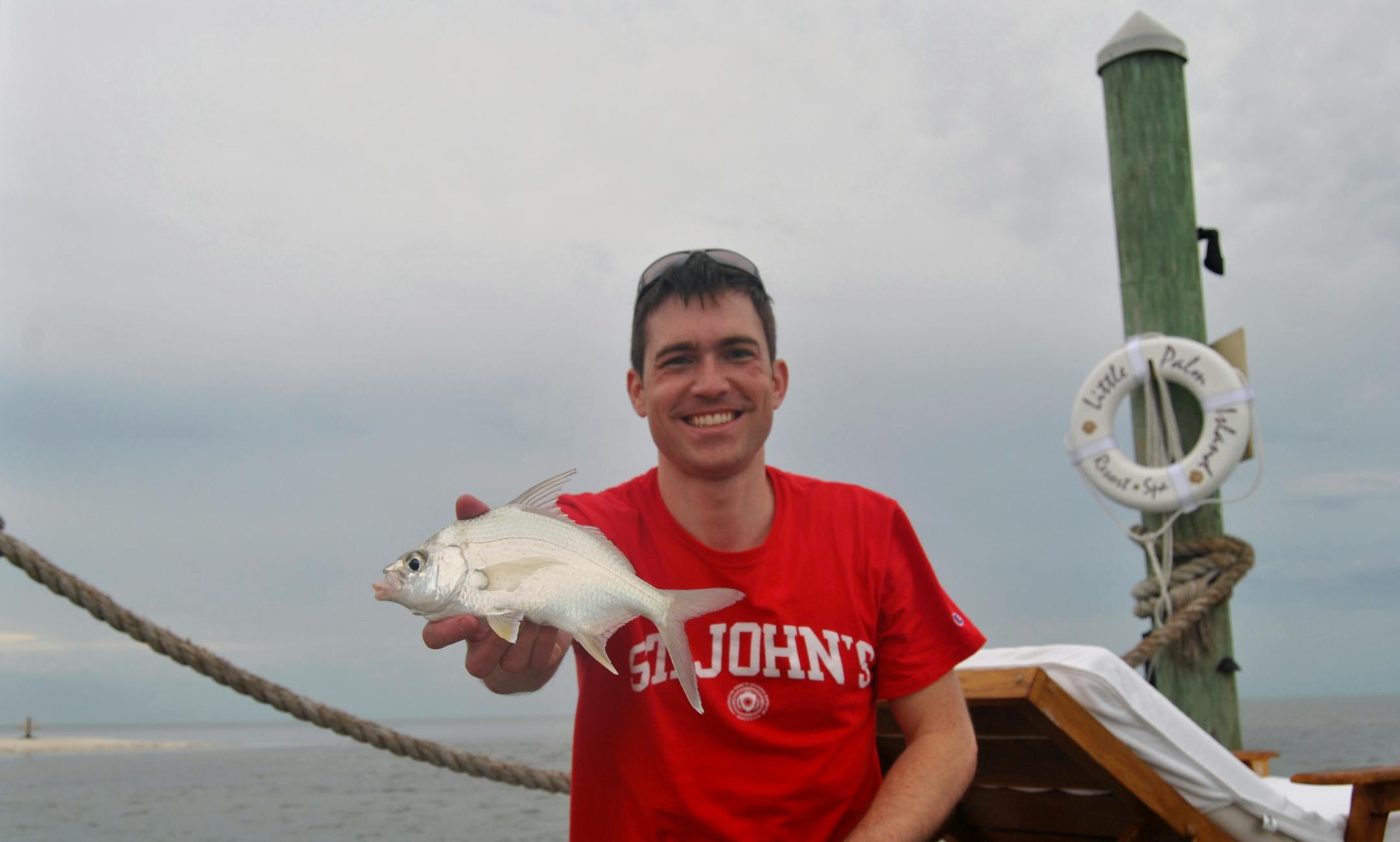
But then the tides turn, and with adrenaline on my side I outlast the prized fighter and drag the fish to shore. Wow! My arms shake; I struggle to lift the monster, and I know the moment will last in my head for years. A grin spreads across my face as I stand on the shore of Little Palm Island Resort & Spa holding the fish of a lifetime.
…
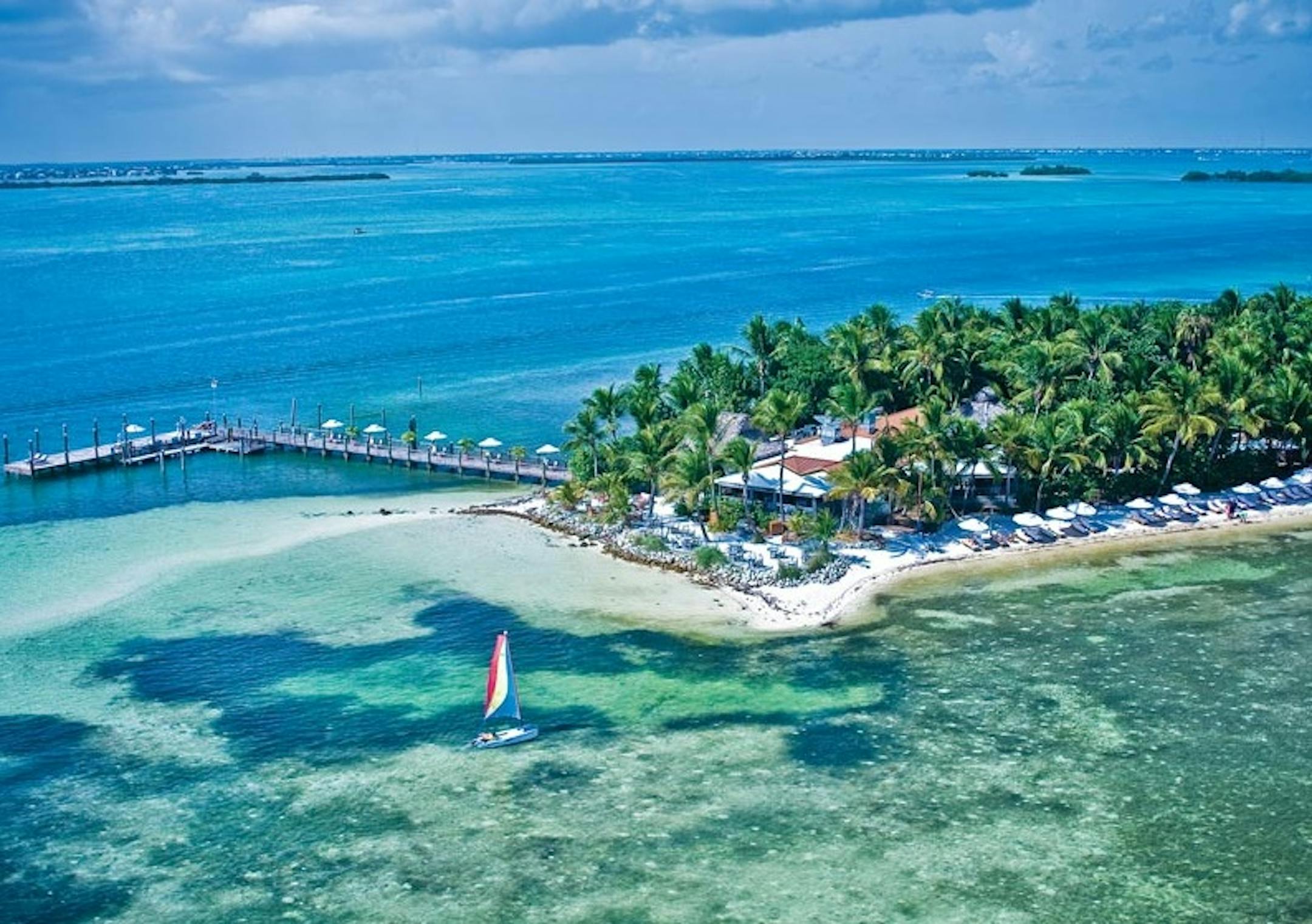
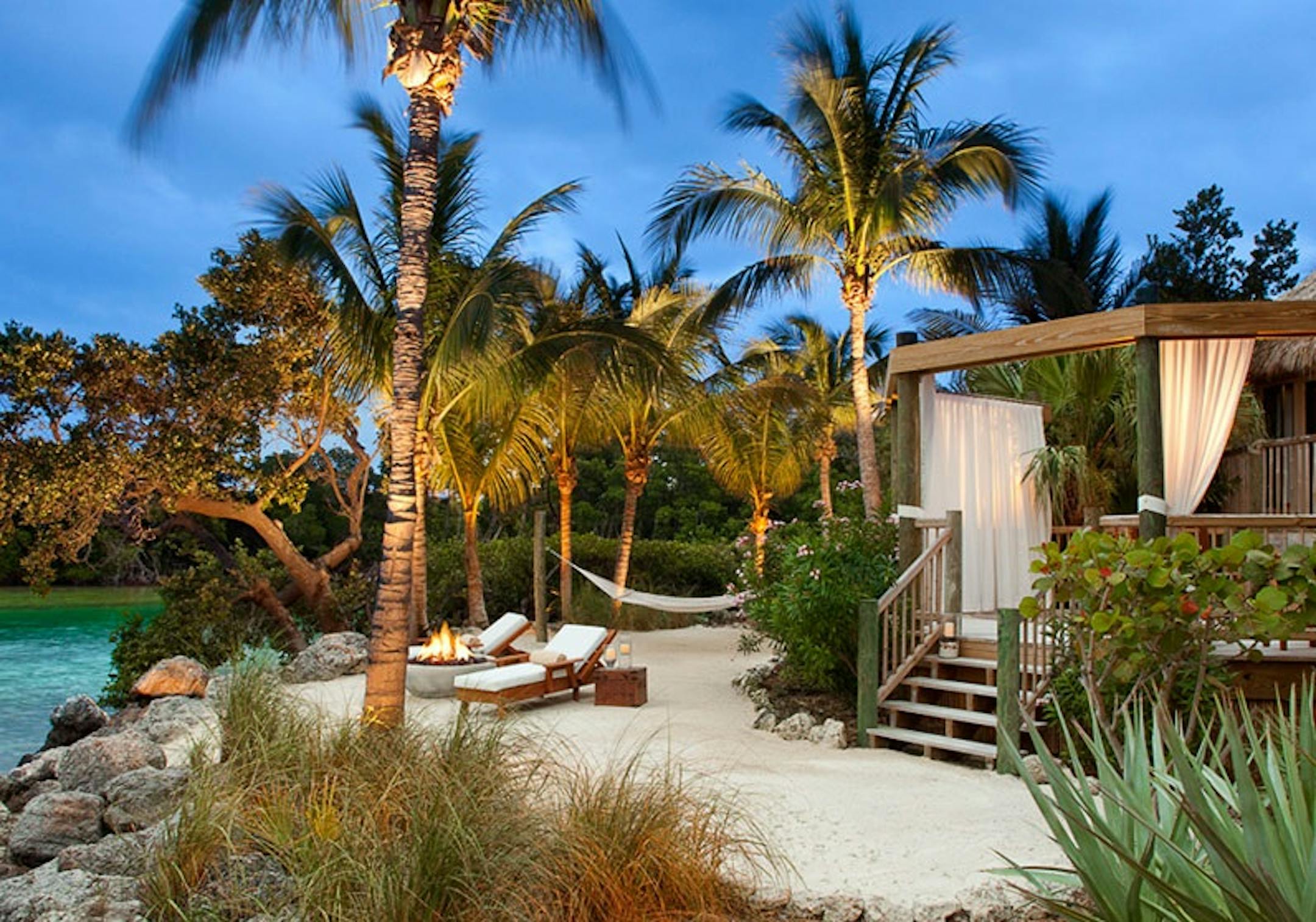
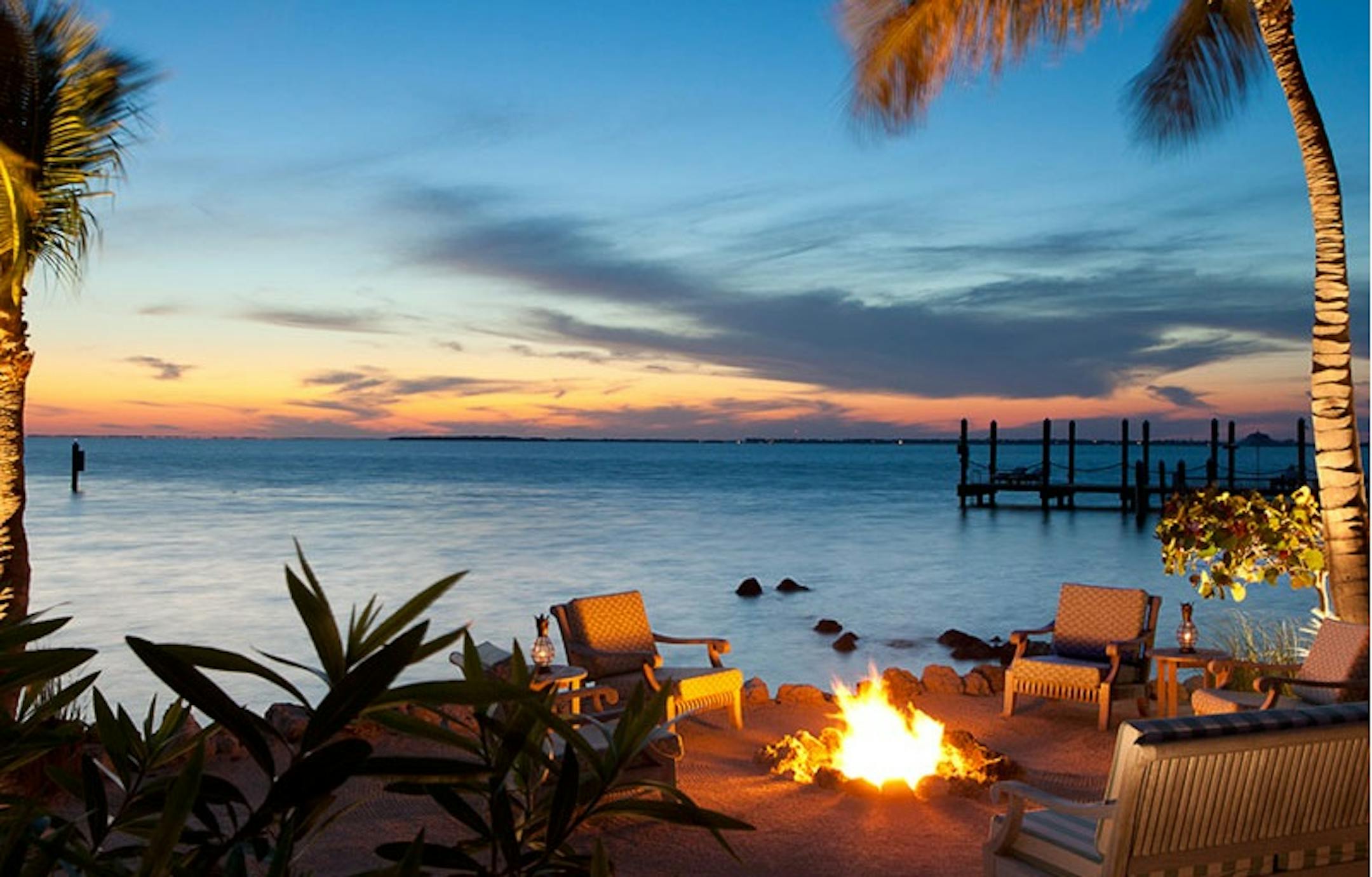
If there is a better saltwater fishing resort on the planet than Little Palm Island Resort & Spa, I have yet to see it. Little Palm was once the favored fishing camp for old-time movie stars and U.S. presidents, dating back to Harry Truman. In the past couple decades, the 5.5-acre island resort has opened its doors to a select number of discerning guests, offering 30 two-person, thatched-roofed bungalow suites with ocean views and private beaches.