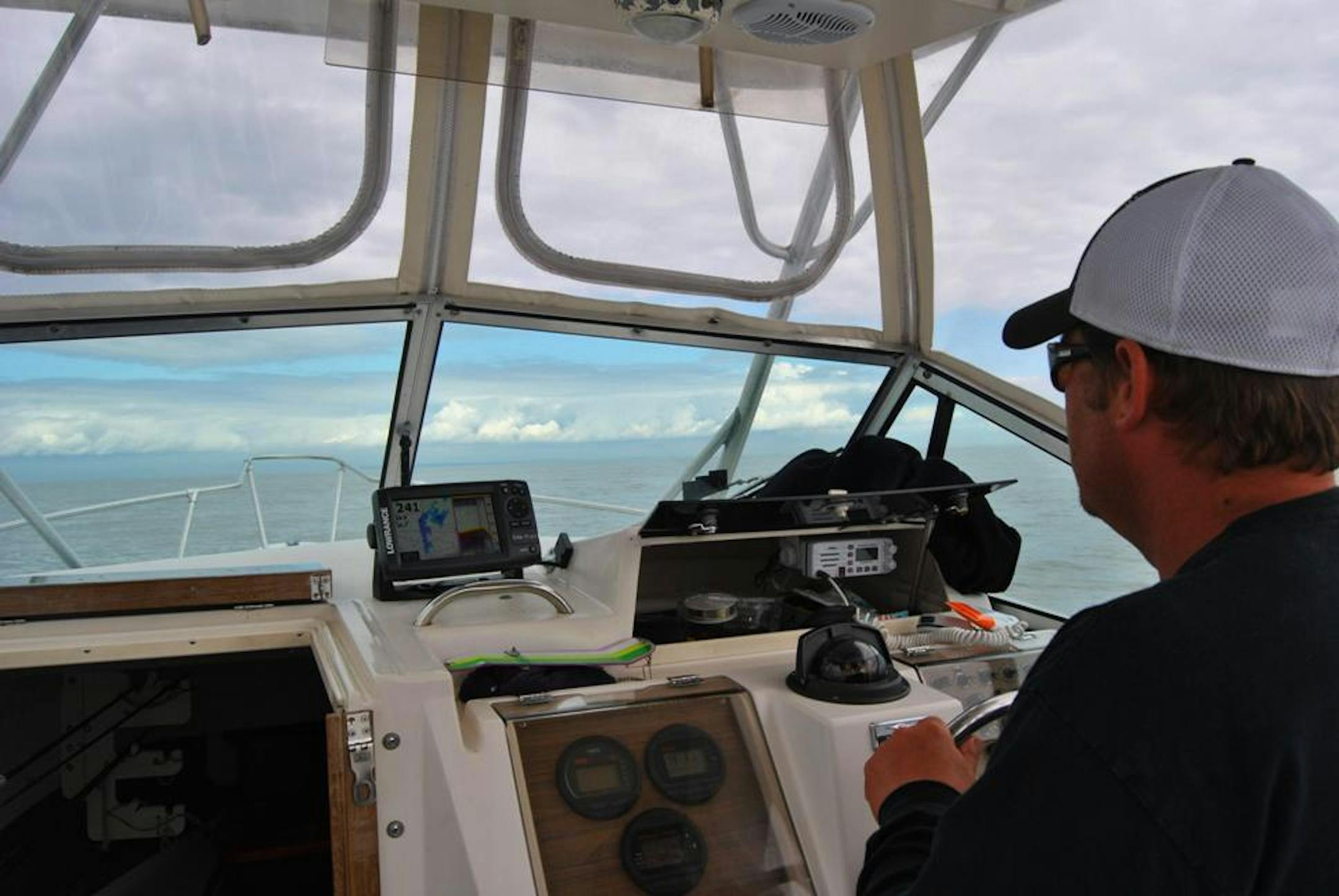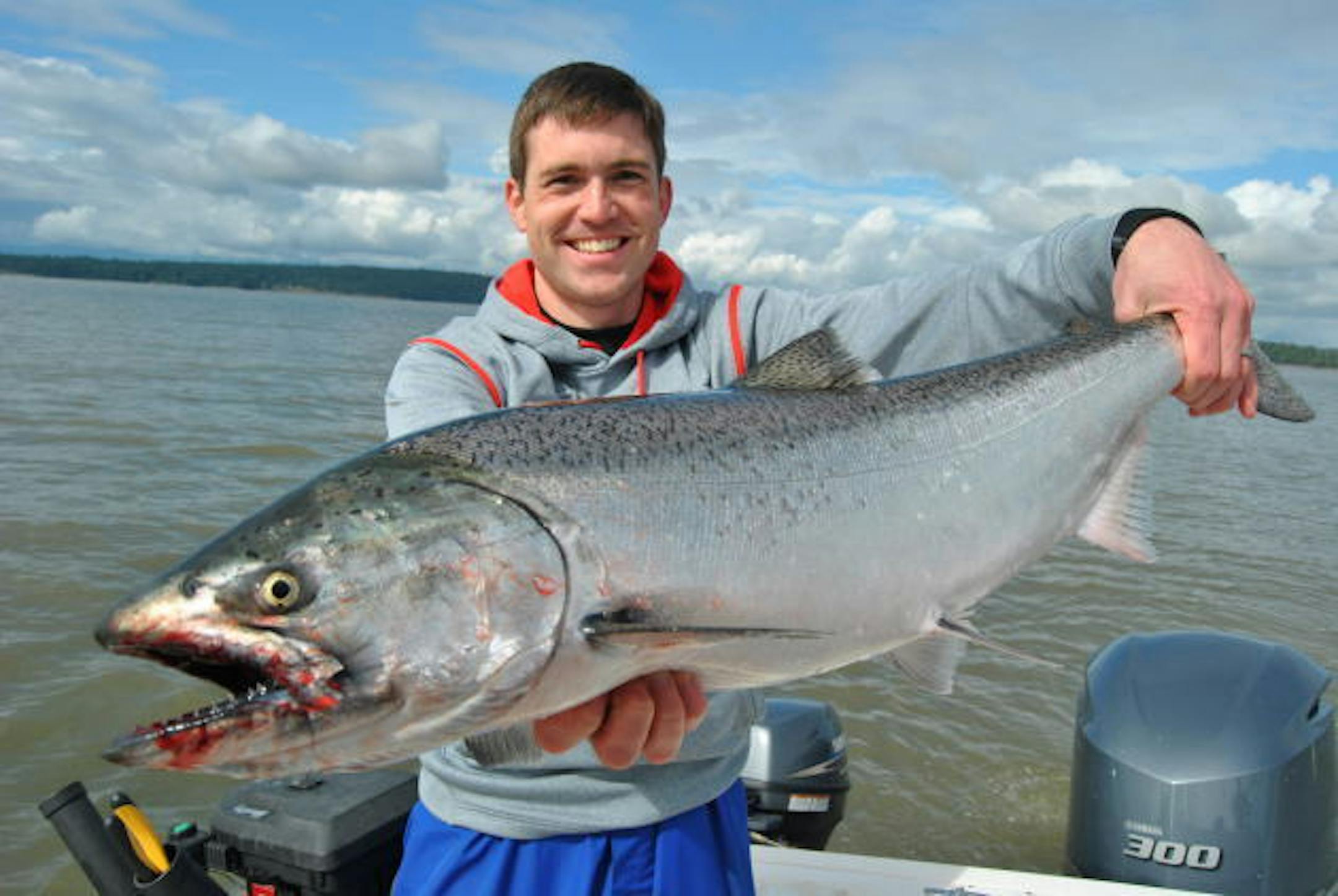
My arm is throbbing, but I can't quit reeling. A few minutes ago my guide Jason Assonitis and I landed a double––a pair of king salmon each topping the 10-pound mark––and now I'm battling another king that may be twice that size. Mercifully, the fish quits running at the boat and instead turns 90 degrees to the right and dives deep, giving me a temporary reprieve from winding as it peels out line.
"That's a nice fish," Assonitis says knowingly. He's seen more than his fair share in his 30-odd years, the majority of which have been spent guiding. The past 9 years guiding have been the most meaningful, for it was almost a decade ago that he and friend Jeff Copeland decided they had spent enough time fishing for others and would start their own operation called Bon Chovy Fishing Charters. The gamble has paid off as their reputation as one of the elite fishing charters in British Columbia has grown––a fact exemplified by the 20-pound salmon I finally manage to coax into the net.
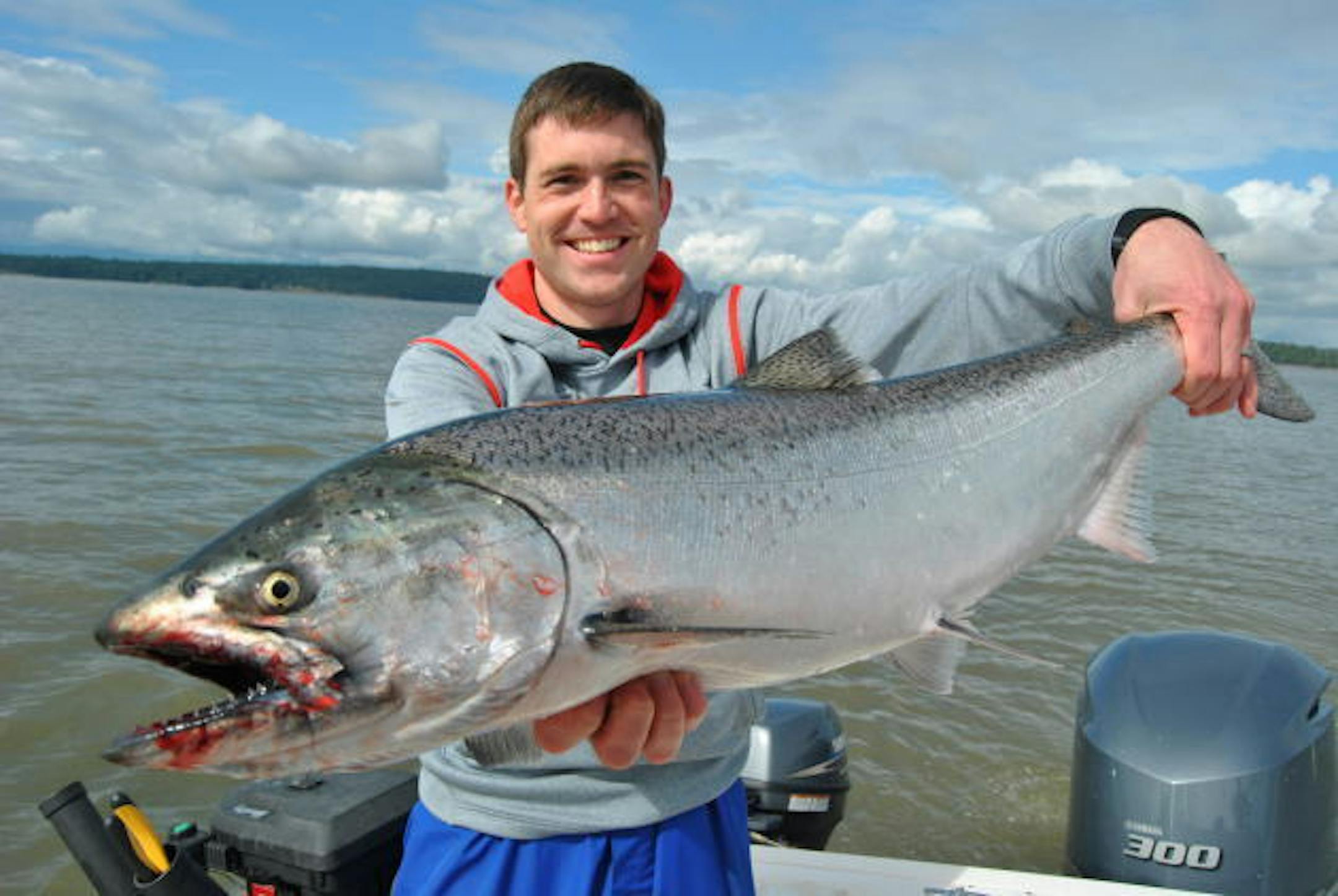
We're an hour boat ride from Vancouver, fishing around the famed Gulf Islands, and we're being richly rewarded for making the run across choppy water through the Strait of Georgia. The bite is on, and we're catching both quantity and quality. Because of the fast action we're only running two lines, one for each of us. Good thing! If we had more lines out my arm would really be dead.
In fact, I've fished salmon in Ireland, Alaska and on the Great Lakes, and I've never had action this good. And the scenery is right up there, too. I first read about the Gulf Islands in the New York Times best-seller "1,000 Places to See Before You Die." The archipelago, a string of about 100 partially submerged mountain peaks between Vancouver Island and mainland British Columbia, is shockingly unpopular.
Sure, it's a destination people know about (Salt Spring is the largest and most popular Gulf Island, with a population of 10,000 strung across 82 miles of craggy coastline), but the islands are significantly less popular than Washington's San Juans, while their beauty can be argued with any rival. Of the 100 or so islands, some 25 have small villages or tiny, traditional towns that use the ocean as their life source. The rest of the islands are uninhabited. As Shultz wrote in her book, "Take a kayak for a spin here and you're more likely to bump into a seal or Dall's porpoise than another tourist."
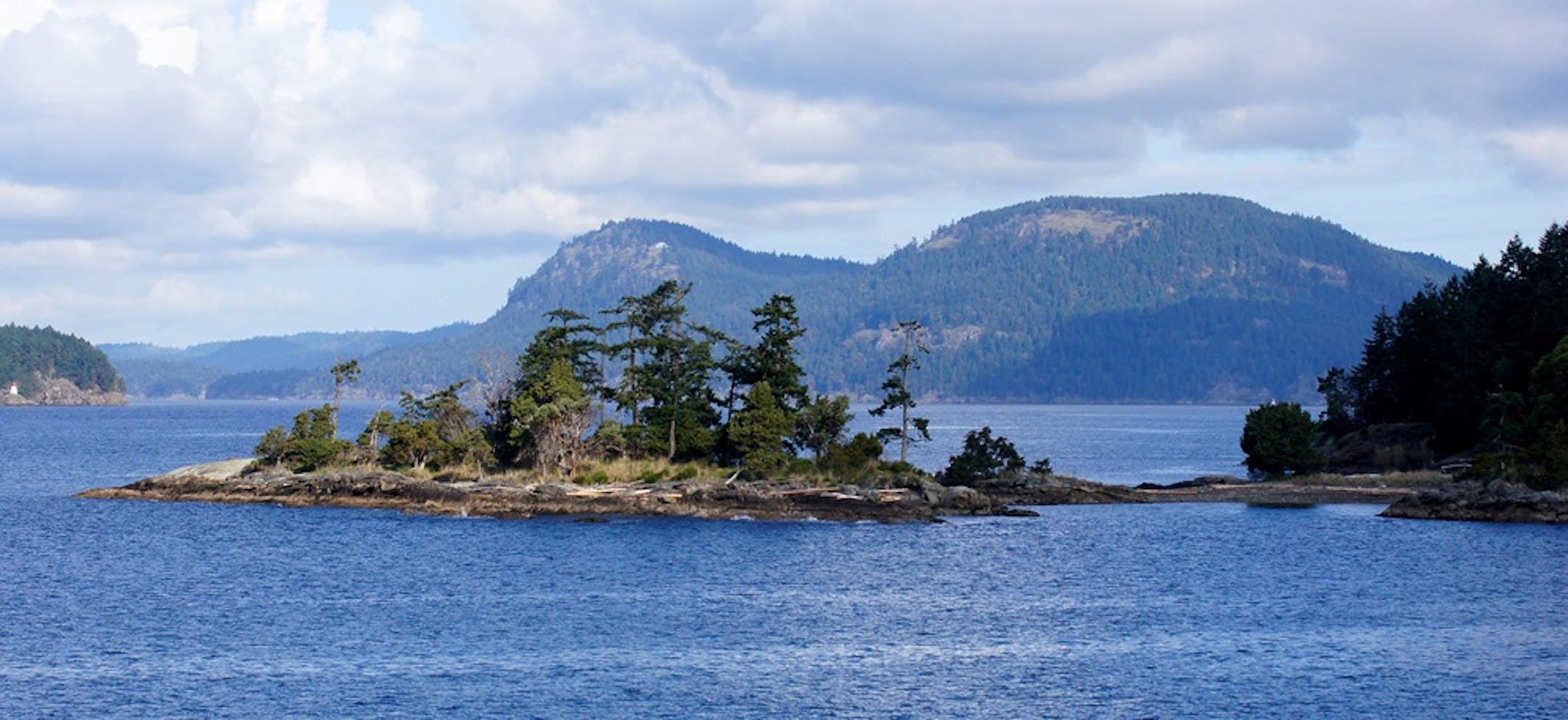
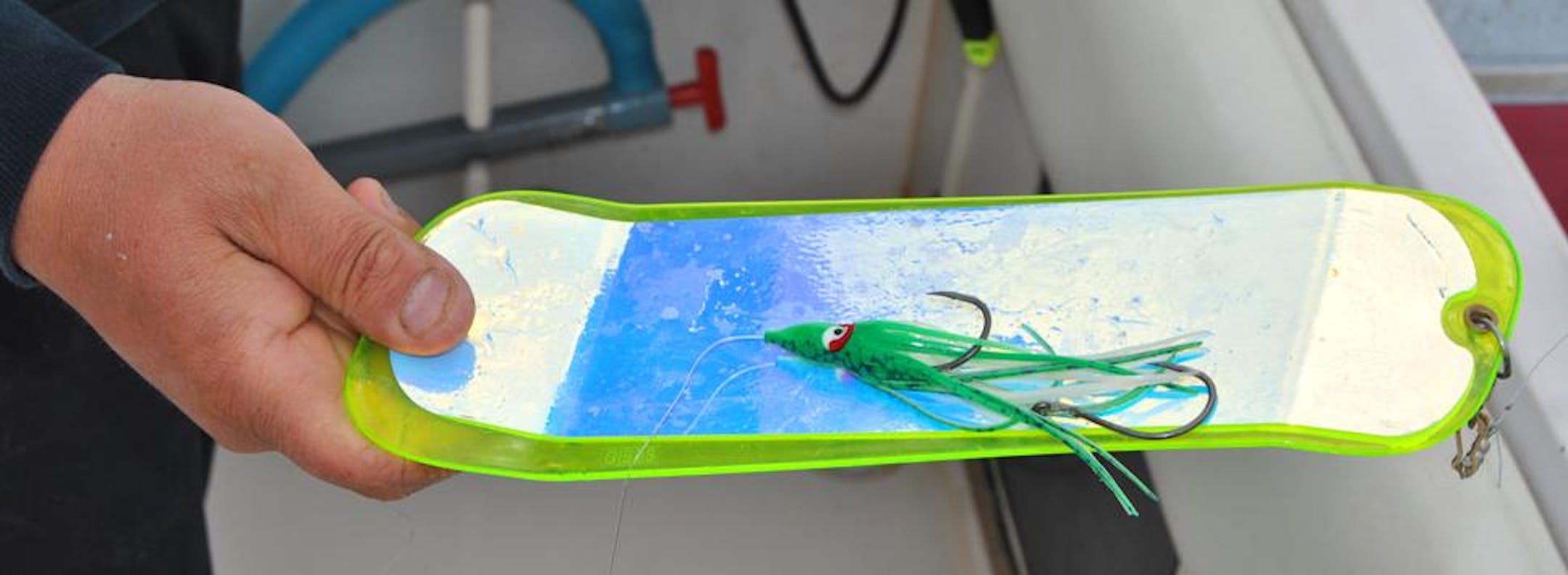
On our day, which began at 7:00am on Granville Island, barely a 20-minute drive from Vancouver International Airport, we saw seals, seagulls and bald eagles. But the main thing we bumped into was king salmon, or Chinook as they're called in Vancouver. We had our best success running Gibbs Delta Guide Series Flashers (STS, Bon Chovy, Lemon Lime) and hootchies on short leaders in 120 to 160 feet of water. We ran the Yamashita Spacklebacks and Yamashita UV double skirts, and the salmon devoured them.

As fantastic as the salmon fishing was, it may get even better throughout the summer. The Vancouver area holds resident king salmon year-round, and is where the Fraser River––one of the world's premier salmon rivers––enters the Pacific Ocean.
"They're predicting the largest sockeye run in history on the Fraser River this year," Assonitis said, quoting an article that forecasts 40 to 70 million salmon will run through the Fraser in August. "The record had been set in 2010 with the largest run the river had seen in 100 years, but this summer it will more than double that record."