

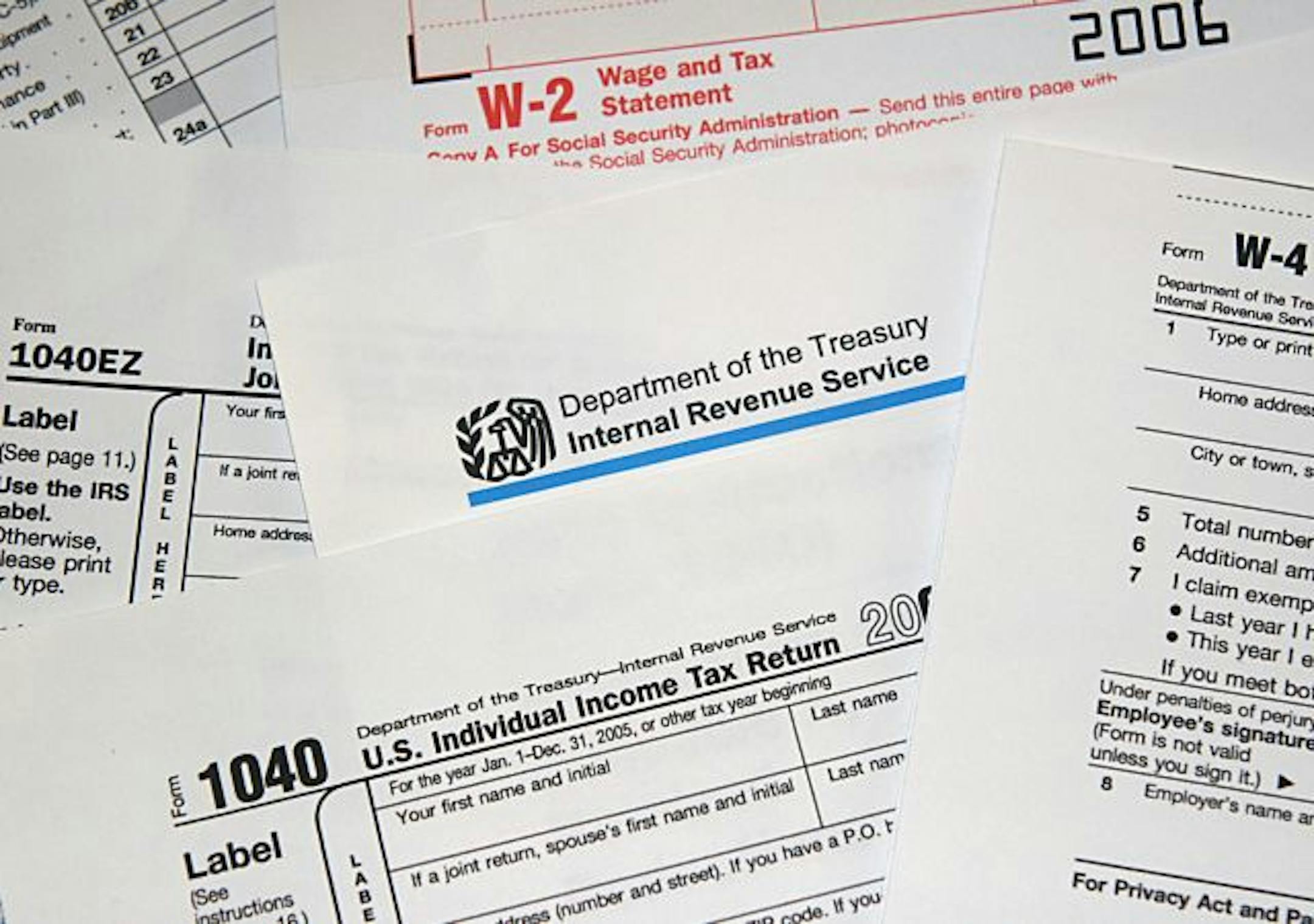
WASHINGTON - Put down those calculators and step away from the kitchen table, for now at least, because tax season will start a little later this year.
The Internal Revenue Service said it would start processing individual tax returns Jan. 30, eight days later than it planned, because of changes to tax laws made in the fiscal cliff deal.
Unfortunately for procrastinators, Washington's political dysfunction won't delay the coming of the tax man -- April 15 still is the deadline to file.
Higher tax rates on household income above $450,000, an inflation adjustment to the alternative minimum tax and other provisions of the deal enacted last week mean the IRS has to make last-minute changes to forms and computer software. That's going to cause those eager to get their tax refund to have to wait.
"We have worked hard to open tax season as soon as possible," said Steven T. Miller, the agency's acting commissioner. "This date ensures we have the time we need to update and test our processing systems."
The expiration Dec. 31 of the George W. Bush-era tax cuts, as well as other tax provisions, led to concerns of more extensive delays as Congress and the White House wrangled over a deal to avert the economic damage of huge tax increases.
The IRS had warned that failure to make the annual adjustment to the alternative minimum tax -- designed in 1969 to ensure the very wealthy paid income tax but flawed because it was not indexed to inflation -- could have delayed tax filing this year for 100 million people until at least the end of March. But a deal on taxes resolved those issues and will allow the IRS to start processing most electronic and paper returns on Jan. 30. The agency said there is no advantage to sending in paper returns before that date because it would not process them.
To speed tax refunds, the IRS urged people to file electronically and have their refunds deposited directly into their bank accounts.


