

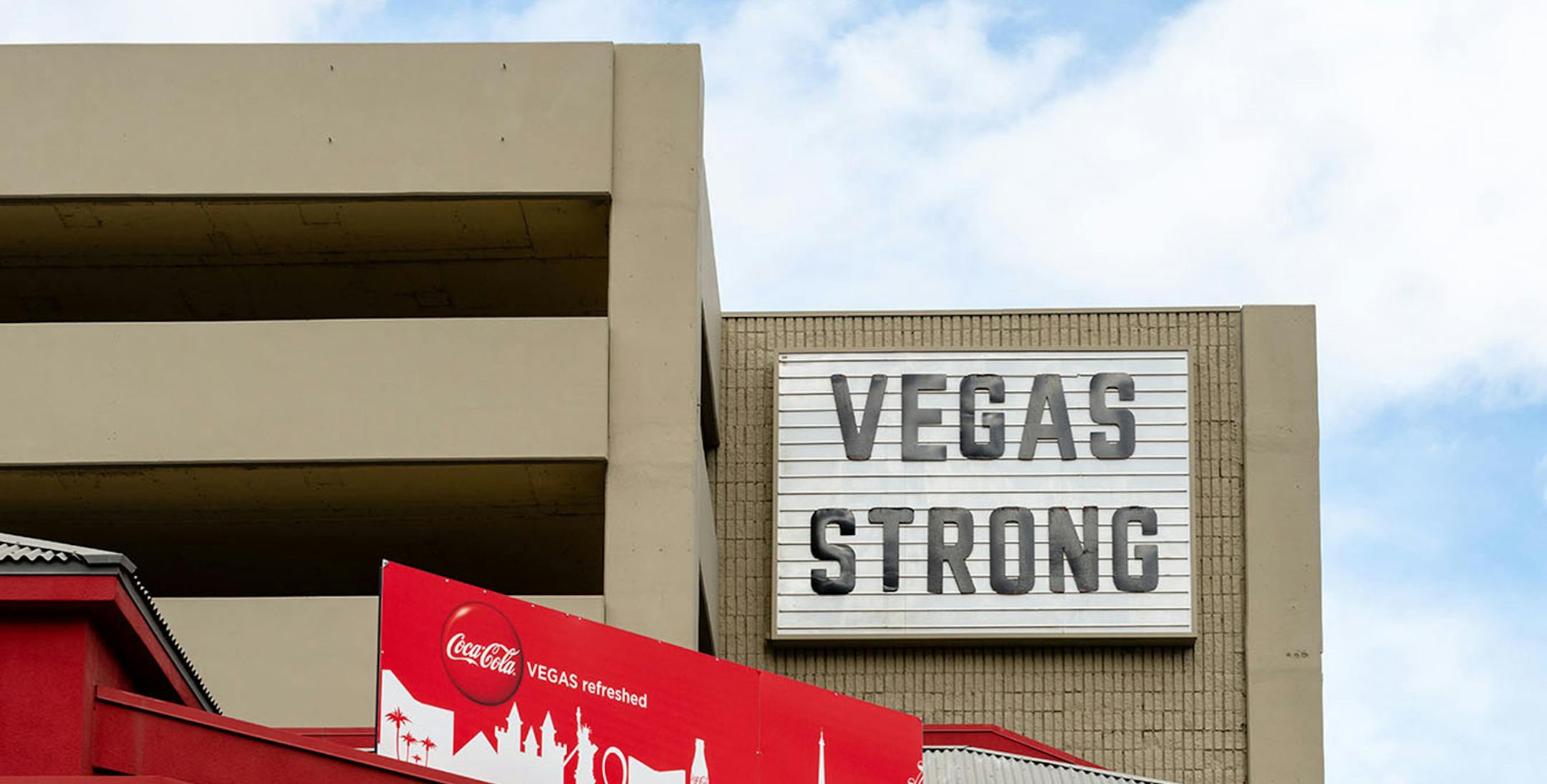
The day a gunman fired into a crowd of 22,000 people at a music festival in Las Vegas, hospital nursing supervisor Antoinette Mullan was focused on one thing: saving lives.
She recalls dead bodies on gurneys across the triage floor, a trauma bay full of victims. But "in that moment, we're not aware of anything else but taking care of what's in front of us," Mullan said.
Proud as she was of the work her team did, she calls it "the most horrific evening of my life" — the culmination of years of searing experiences she has tried to work through, mostly on her own. "I can tell you that after 30 years, I still have emotional breakdowns and I never know when it's going to hit me," she said.
Calamities seem to be multiplying in recent years, including mass shootings, fires, hurricanes and mudslides. Many of the men and women who respond to these tragedies have become heroes and victims at once. Some firefighters, emergency medical providers, law enforcement officers and others say the scale, sadness and sheer gruesomeness of their experiences haunt them.
Many studies have found elevated rates of post-traumatic stress disorder among nurses, firefighters and paramedics. A 2016 report by the International Association of Fire Fighters found that firefighters and paramedics are exhibiting levels of PTSD similar to that of combat veterans.
In 2017, there were 346 mass shootings nationwide, including the Las Vegas massacre — one of the deadliest in U.S. history — said the Gun Violence Archive, a nonprofit. The group has identified 159 so far this year.
Experts have found a dearth of research on treatment, insufficient preparation by employers for traumatic events and significant stigma associated with seeking care for the emotional fallout.
Jeff Dill, a former firefighter and licensed counselor, said the emotional toll is magnified because everyone is talking about them. They are inescapable and become emotional "trigger points."


