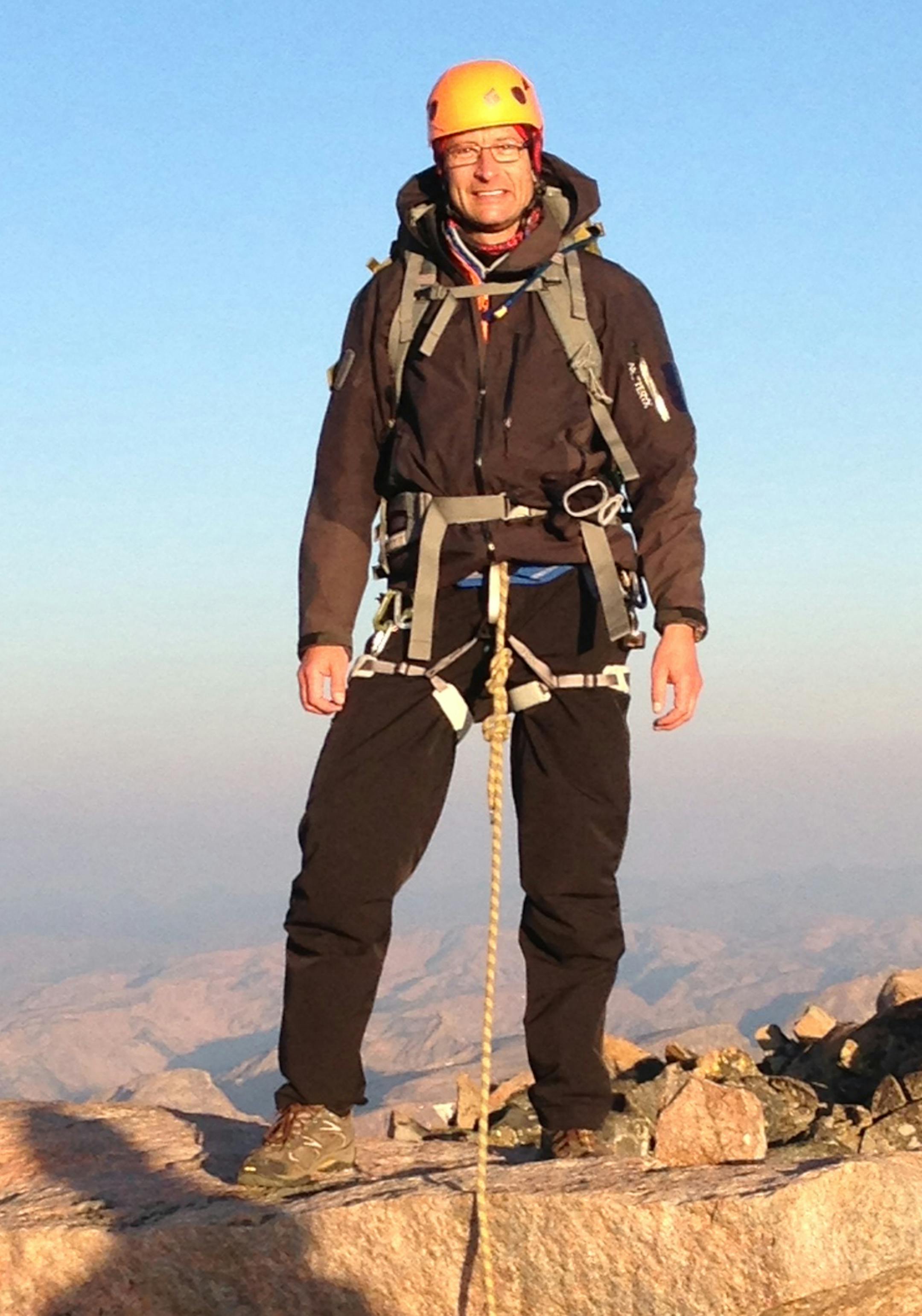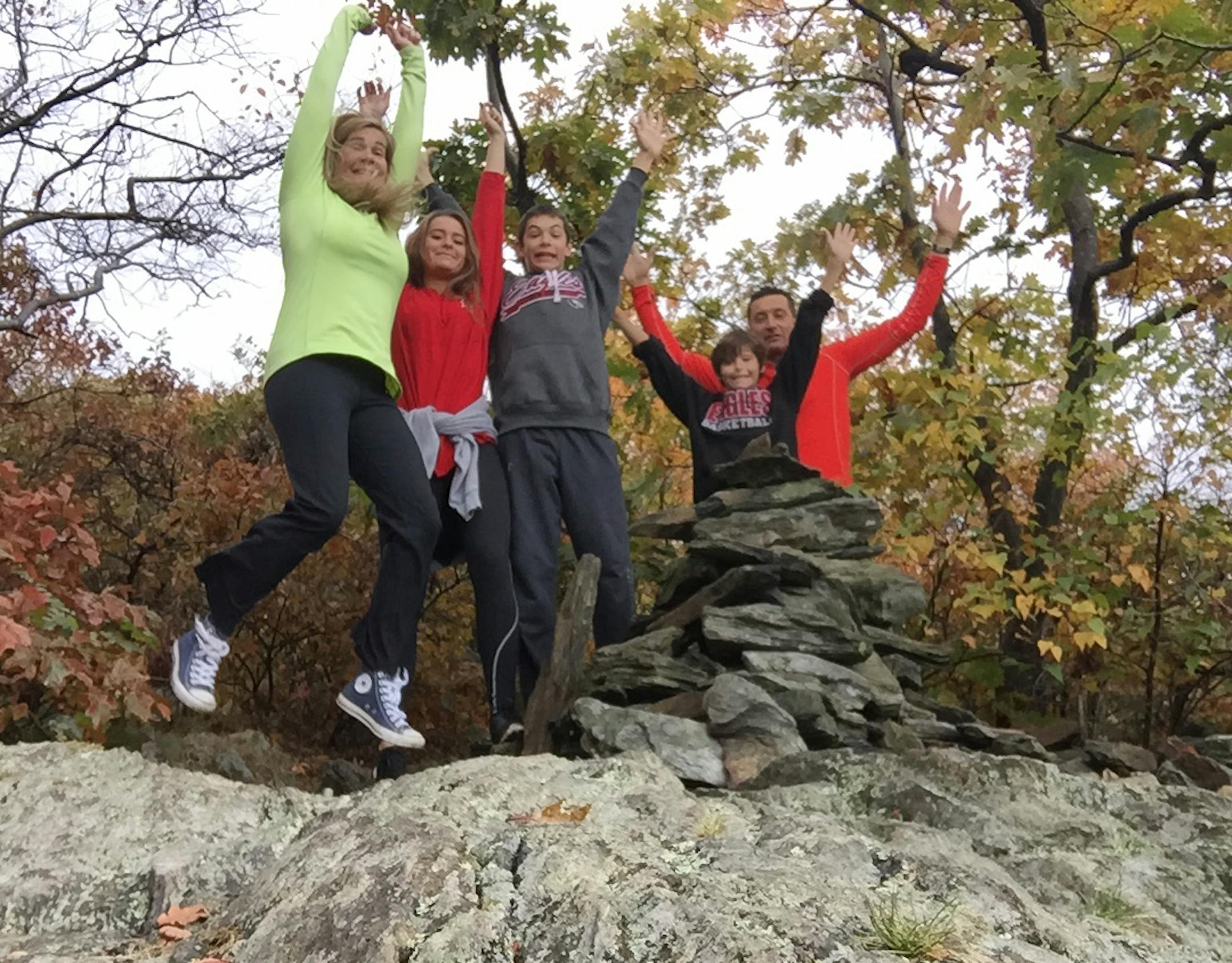
I did not know it at the time, but I guess you could say my adventure started 36 years ago when I was 14.
I climbed Humphreys Peak — the highest point in Arizona. Climbing was always something I loved to do. I loved being outside and focusing on the goal of getting to the top. Mind-numbing scenery, adventures, neat small towns, other climbers, and even overcoming challenging bad weather — all made every climb unique but also enjoyable. I climbed with whomever I could persuade to go with me, including family members, friends, my dog. I'd also go it alone.
The real start of my "highpoint" quest started 10 years ago when two friends and I climbed Mount Whitney in California (14,494 feet) in a single marathon, up-and-down push. It was a 22-mile round-trip hike with 6,000 feet of elevation gain from the trailhead. We started our climb about 3 a.m. and did not finish until 16 hours later. That is the first time I realized how taxing it can be to climb without acclimating. Given that I live at sea level in Minnesota, I am blessed in that I tend to acclimate easier than most when climbing. During that climb we met several fellow climbers who were highpointers. I had never heard of that concept before, but when I got home I began to research the idea of climbing the highest point in each state. Heck, I already had two, including Whitney, which is the highest point in the continental United States. How hard could it be?
I also liked the idea that I would be able to say I had been to all 50 states when it was over, and that it would put organization or structure to my somewhat random climb plans. Lastly, I dreamed up the concept of knocking them off before I turned 50. I called it 50 by 50. That gave me nine years to finish them.
Once it officially began I wasted no time in planning one or two trips a year, and worked diligently on crossing peaks off the list. Along the way, there were family trips by recreational vehicle, climbs with friends and solo trips. Every time I traveled for work or pleasure I would at least consider whether it was practical to knock off a highpoint or two.
There are five highpoints that are generally considered the most difficult. Two of them are Granite Peak in Montana (12,799 feet) and Gannett Peak in Wyoming (13,804 feet). Part of what makes them so difficult is the long hike through the wilderness to access them before the climb. The Granite climb amounts to a 20-mile round trip. Gannett is more than 40 miles, but is considered one of the most visually spectacular. The other three difficult climbs are mounts Hood in Oregon (11,239 feet), Rainier in Washington (14,411 feet) and Denali (formerly McKinley) in Alaska (20,310 feet).
The only peak I had to climb twice was Rainier. We were 1,000 feet from the top when a nasty storm developed. We were pinned in our tents for a full day, seeing lighting striking around us and rocks falling. Finally the weather lifted just enough to allow a descent. I returned the next year and, in good weather, was able to make it to the top.
North to Alaska
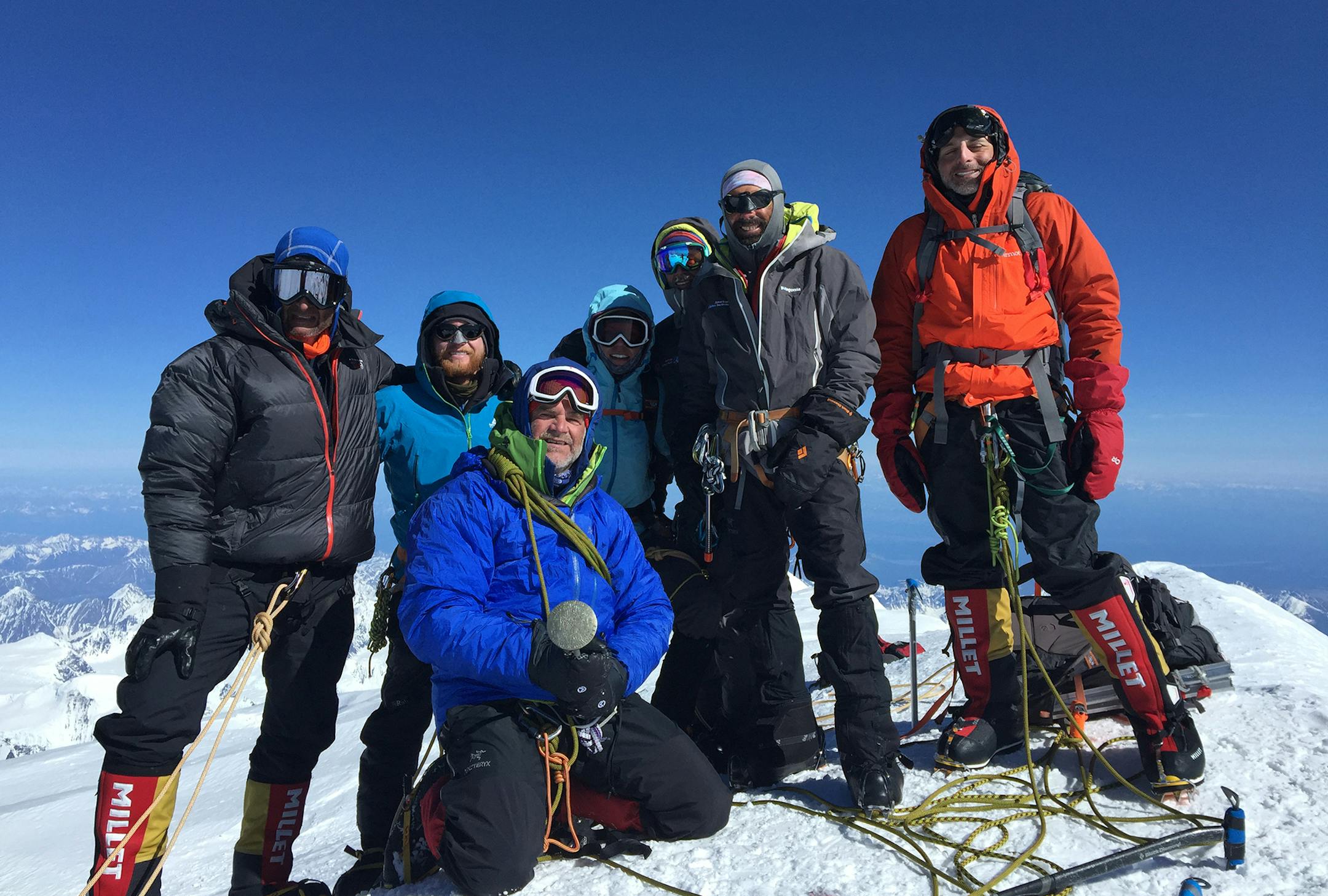
By the time 2015 arrived, I had only one hard peak left — Denali. The highest point in North America, Denali is one of the so-called Seven Summits, the tallest mountains in each of the seven continents.