

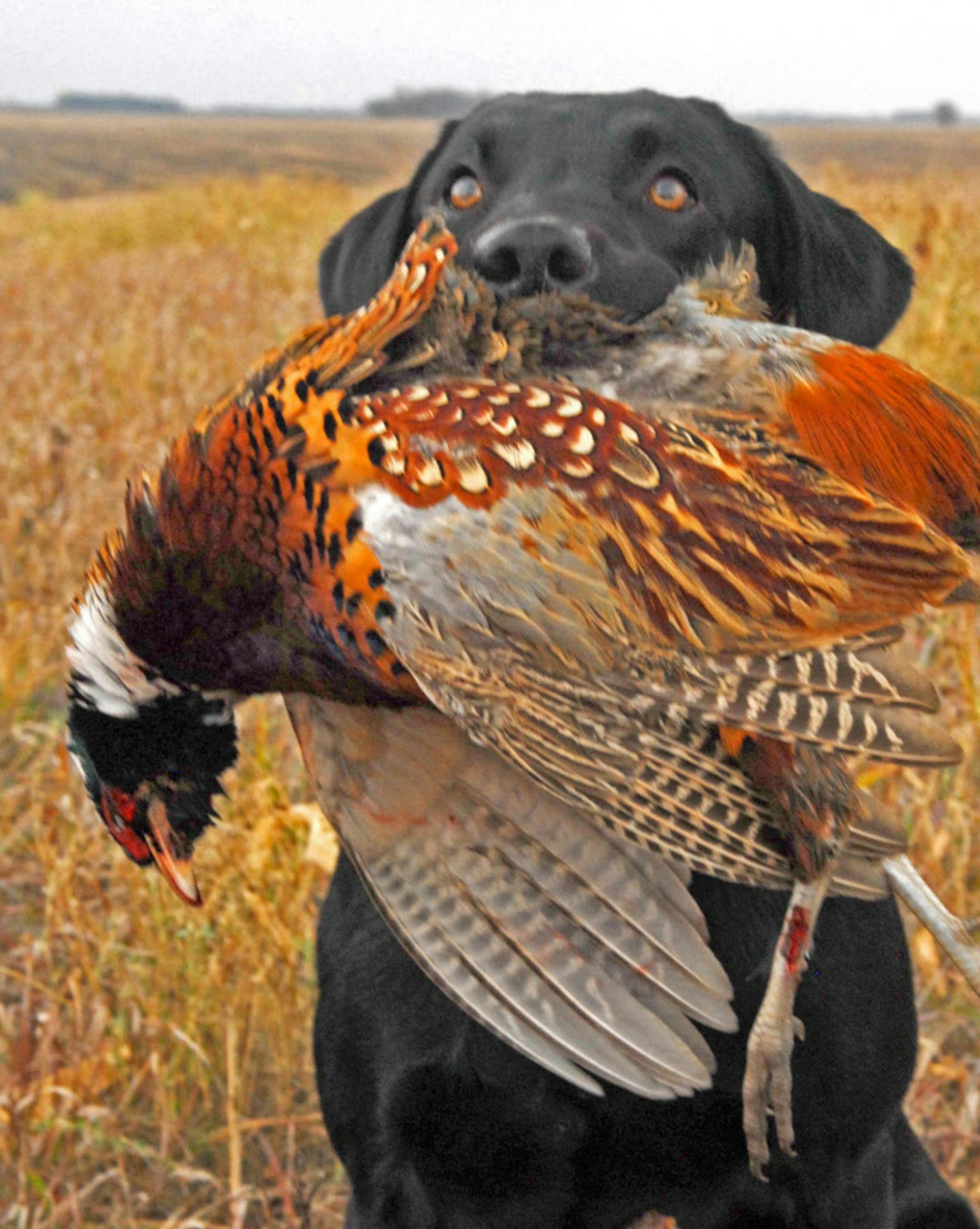
What can be done to stem the recent dramatic loss of Minnesota's pheasant habitat, a declining pheasant population and the resulting precipitous drop in pheasant hunters?
That's the daunting task facing nearly 300 people expected to attend the first-ever Minnesota Pheasant Summit on Saturday in Marshall.
Gov. Mark Dayton, a pheasant hunter, called the summit in hopes of finding ways to boost the state's pheasant population, improve habitat and ensure that future generations will be able to pursue one of the state's most popular — and tasty — game birds.
"The goals are to have more pheasants, to have a better harvest and to invigorate pheasants hunters to stay [in the sport] and recruit others,'' said Mike Tenney, a Department of Natural Resources prairie habitat specialist coordinating the event.
Pheasants Forever, founded and based in Minnesota, will have a large contingent there.
"If we don't do something now, the next generation isn't going to have a place to hunt pheasants,'' said Joe Duggan, a PF vice president. "It's urgent."
The downturn for Minnesota pheasants and hunters has been dramatic. In 2007, hunters shot 655,000 ringnecks — the highest tally in more than 40 years. Last year, after losing 93,000 acres (145 square miles) of grasslands in recent years, hunters bagged just 169,000 pheasants, the lowest number in 28 years.
And the DNR estimated only 62,000 people hunted pheasants in 2013 — a plunge of 56,000 (47 percent) in six years. Harsh winters and wet, cold springs also have hurt pheasant production. But the loss of habitat is mostly to blame.


