

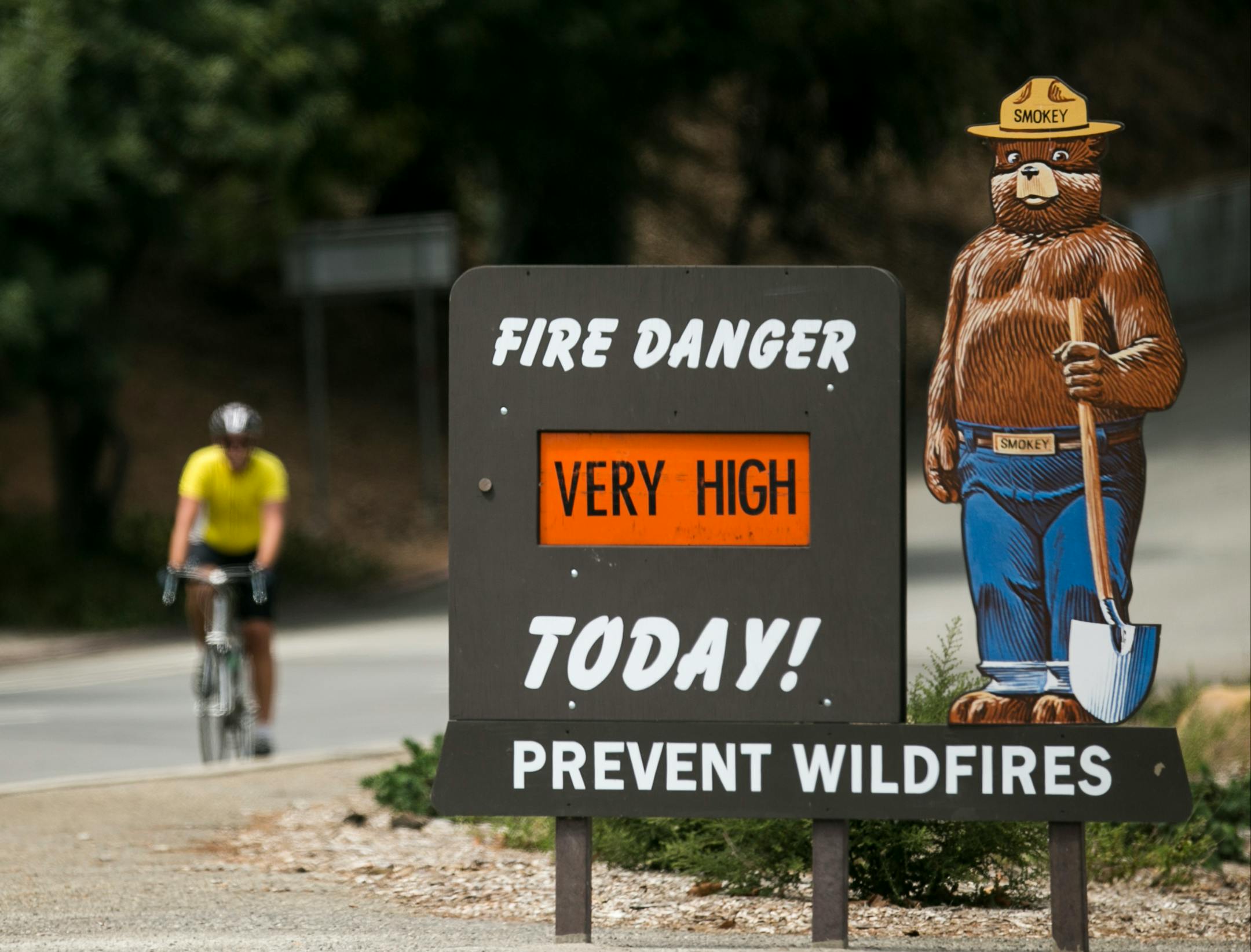
Our continuing drought and accompanying threat of wildfire endangers birds and other wildlife in Minnesota, as well as humans.
By the third week of June, drought conditions existed in the upper two-thirds of the state, according to the Minnesota Department of Natural Resources, with wildfire risk ranging from high to very high to extreme. This was peak nesting season for birds, when fires in woodlands or grasslands would likely destroy bird nests, eggs and nestlings.
Adult birds would be forced to flee a fire, unlikely to return to damaged habitat or to renest elsewhere at this point in the nesting season. Conditions were the most dangerous in the Arrowhead region, essentially north of Duluth to the Canadian border, with open burning and campfires not allowed.
The DNR expects these conditions to continue through the summer, according to Allissa Reynolds, wildfire prevention supervisor in the DNR's forestry division.
"We're seeing more extreme conditions," she said. "Many people say this is a direct result of climate change," she added, noting that hotter summers increase fire risk and tree disease, which stresses trees.
"There is good potential that we will see more severe fire seasons in the future," Reynolds said, "We've been putting fires out for 100 years, so we have a buildup of fuel." The spruce budworm infestation of trees in the Arrowhead region has increased the fire risk there.
Reynolds suggested that people who own lake cabins or homes in fire-risk areas read the warnings and advice found on the "Firewise in Minnesota" website (dnr.state.mn.us/firewise/index.html).
"Homes close to evergreens and the tall grasses of prairies or marshes are most at risk," the site says. "Making your home able to survive an approaching wildfire is the goal of the Firewise program."


