

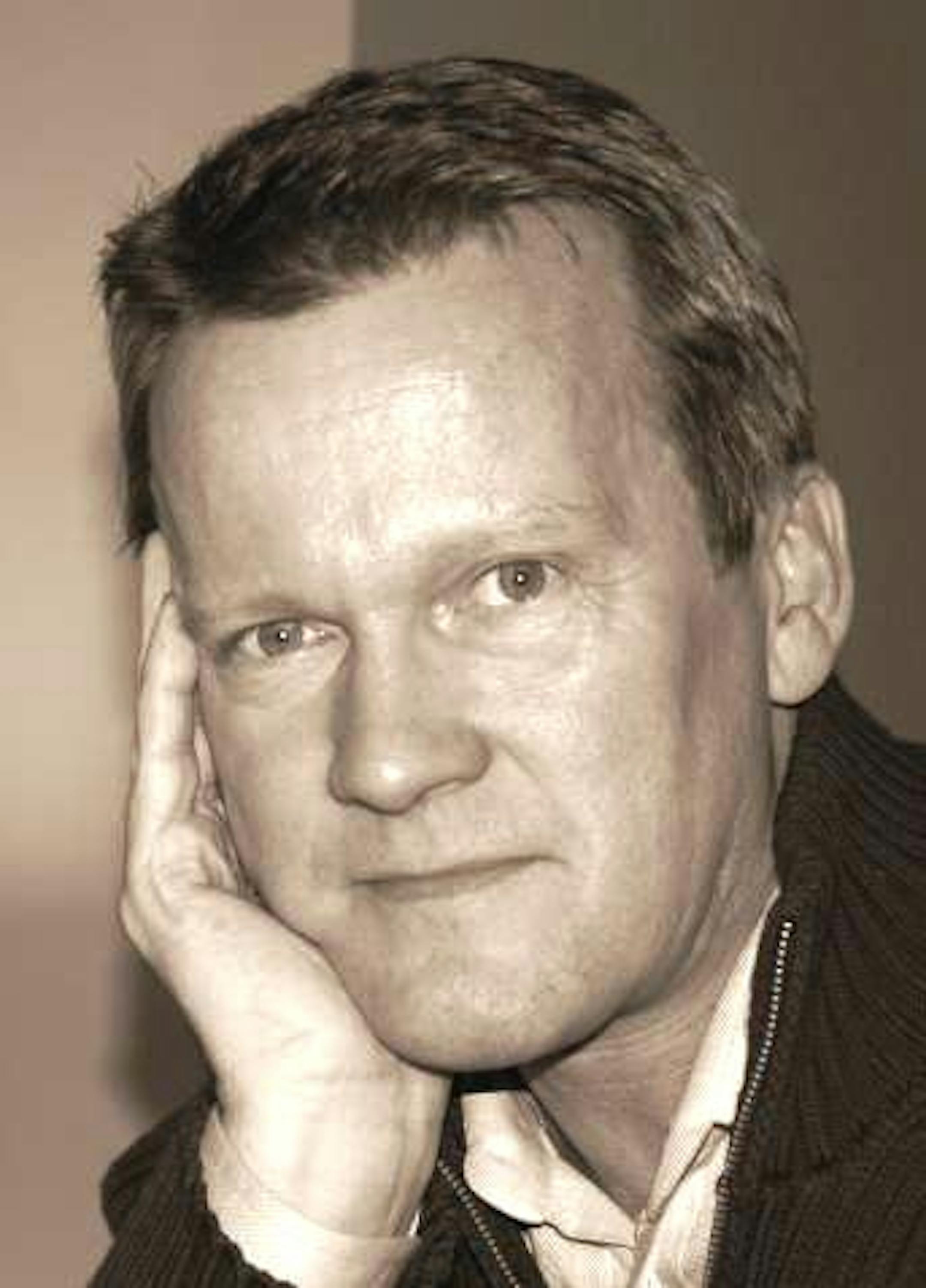
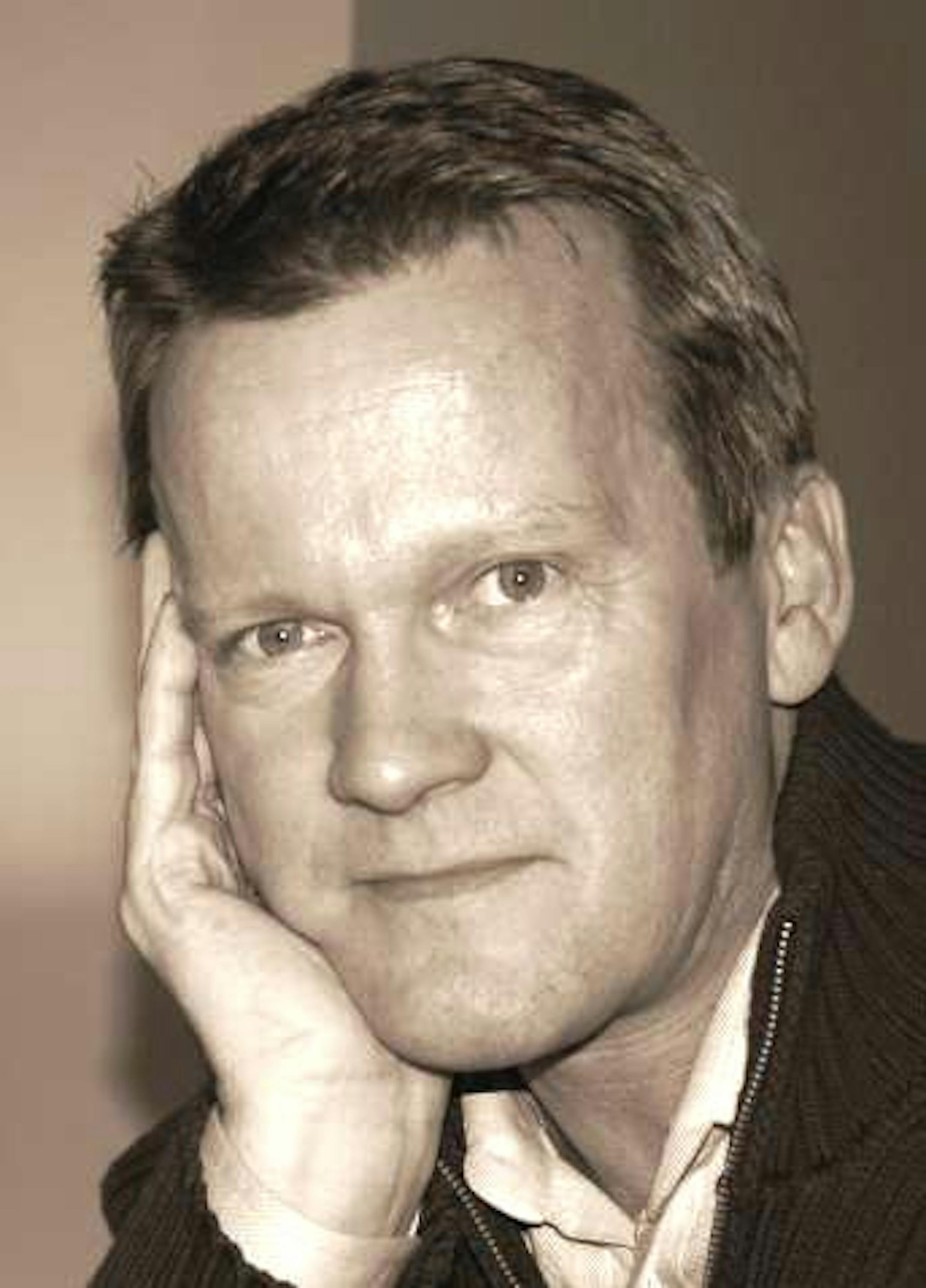
The Finn who literally wrote the book on that nation's stellar education system was in Minnesota again this week.
Pasi Sahlberg didn't argue outright that the high-stakes testing and accountability push that's in vogue in this state and nation won't work. But he demonstrated that by taking the opposite approach, Finland has developed over the last 40 years an educational system that leads industrialized countries on many measures, including achievement.
Sahlberg is an official in the Finnish education ministry, but his ideas run counter to those coming out of both the Obama and Bush education departments. His new book is called "Finnish Lessons."
Put simply, Finland emphasizes cooperation over competition, individualization of curriculum over standardization, and trust-based professionalism over test-based accountability.
The outcome, as measured by the Organisation for Economic Co-operation and Development , is an educational system that's near the top of industrialized countries for achievement. But perhaps even more important to a school district like Minneapolis is that academic performance is less tied to a student's economic and social background than in almost any OECD member, and especially the United States.
That combination of educational style and outcomes drew an enthusiastic response from teachers attending a Minnesota Guild of Public Charter Schools event this week in St. Paul during teacher association workshops. (The Guild itself is a rather unusual amalgam of a union-backed charter school authorizing push.)
The features that distinguish the Finnish system from ours begin at birth, with a year of paid time off from work for parents. Child-care afterwards is widely available, as is child health care. School doesn't start until age seven, and students spend nine years in an elementary education in which tracking of students into ability groups isn't practiced, withheld until secondary school, which through age 19. Children also spend fewer hours in school, counter to the current push for long school days and years here. There's less homework in Finland and some elementary schools ban it outright. "We firmly believe in the importance of play," Sahlberg said, describing it as a time for children to develop their imaginations.
Finns emphasize cooperation over competition in their schools, and Sahlberg credited Americans such as John Dewey for many of the progressive ideas that undergird the Finnish schools.


