

Chronic crises throughout the Mideast have led some to wonder about the Obama administration's planned diplomatic "pivot" to Asia.
The need for that change in focus became more apparent on Nov. 23, when China unilaterally announced an expanded Air Defense Identification Zone (ADIZ) that overlaps airspace claimed by Japan and South Korea. The provocation heightened the risk of a military miscalculation that could have grave global consequences.
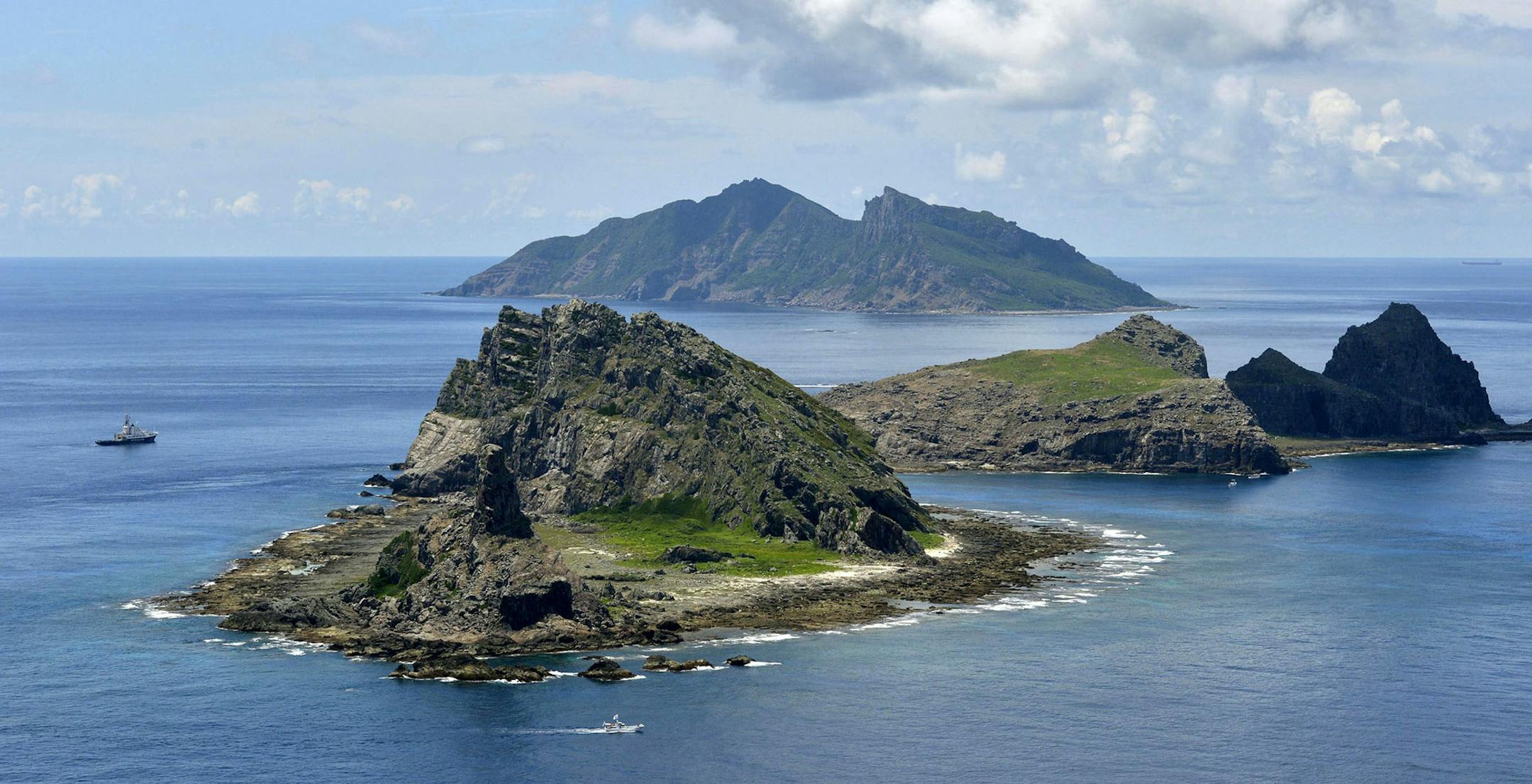
The root of the dispute is not what's above, but below: Islands near Okinawa in the East China Sea that Japan calls the Senkaku Islands and China calls the Diaoyu Islands. Both countries claim ownership of the uninhabited, but potentially resource-rich, islands.
The United States has not adjudicated the dispute between the powerful Asian nations. But it is treaty bound to defend Japan if the dispute spirals into a military altercation. The risk of this kind of dangerous event rose considerably after China's precipitous action.
Japan and the United States refuse to recognize China's reconfigured ADIZ, and on Nov. 27, without alerting China, the United States flew two unarmed B-52 bombers through the airspace.
In a move consistent with standard Federal Aviation Administration policy, but not an acknowledgment of China's claim, U.S. commercial airliners were instructed to notify China when their airlines are scheduled to fly through the disputed ADIZ.
Japan has not taken commensurate measures. And it has appealed to an agency of the United Nations, the International Civil Aviation Organization, to weigh in on China's declaration. While any opinion would be nonbinding, Japan's hand would be strengthened, and China would be more isolated, if the U.N. agency ruled against it.
Vice President Joe Biden's previously planned trip to the region was supposed to be mostly about trade. But that agenda was swapped for direct diplomacy on the dispute.


