AUSTIN, TEXAS – Hours after his younger brother Lee Harvey Oswald, the presidential assassin, was gunned down in the basement of the Dallas police station, Robert Oswald wrote a $710 cashier's check to a Fort Worth funeral home as he made arrangements for his brother's burial.
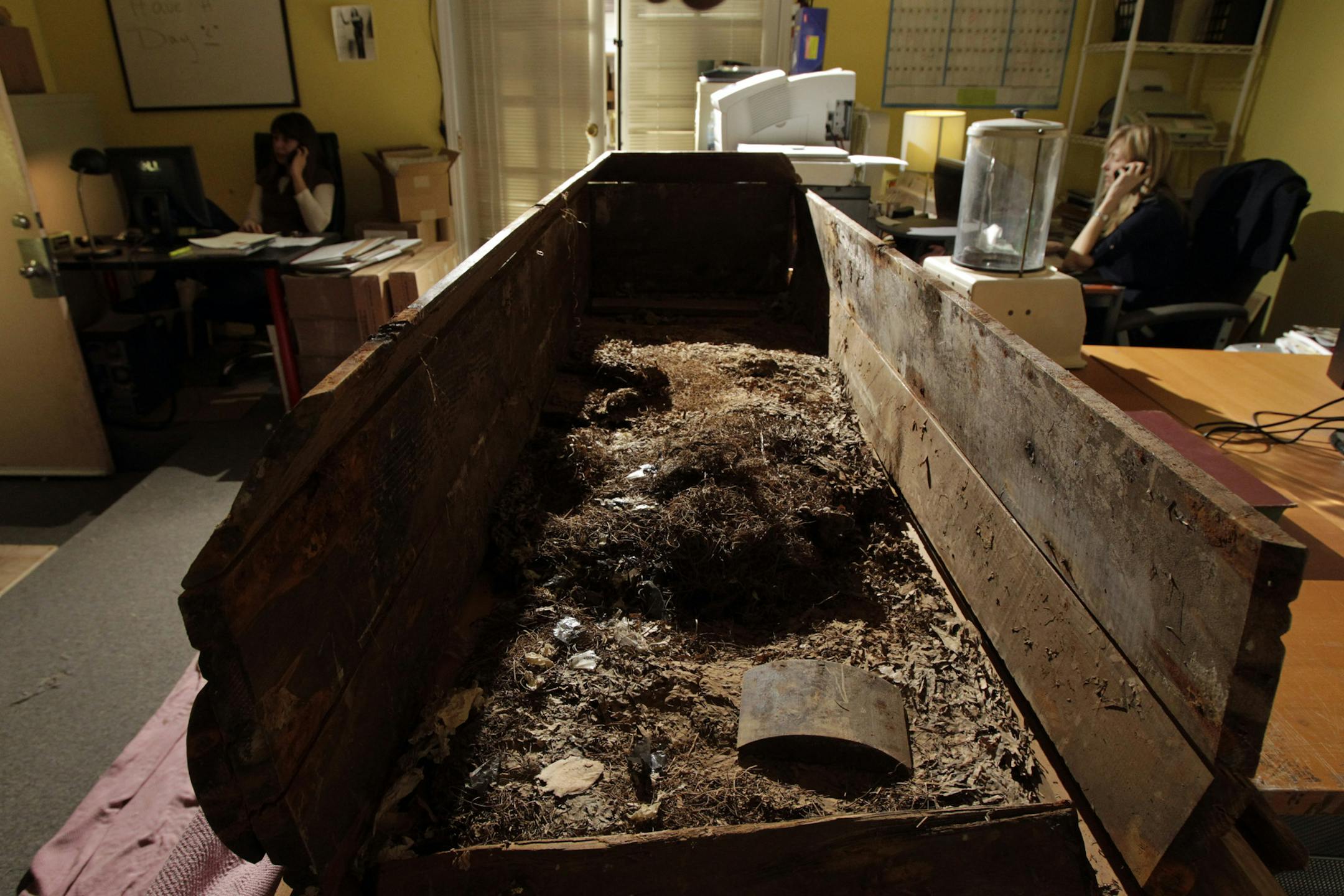
The purchase included a No. 31 Pine Bluff coffin and vault, a dark suit and flowers. More than five decades later, the simple pine coffin — now badly deteriorating — is at the heart of an unlikely epilogue to the tragedy that gripped the nation on Nov. 22, 1963.
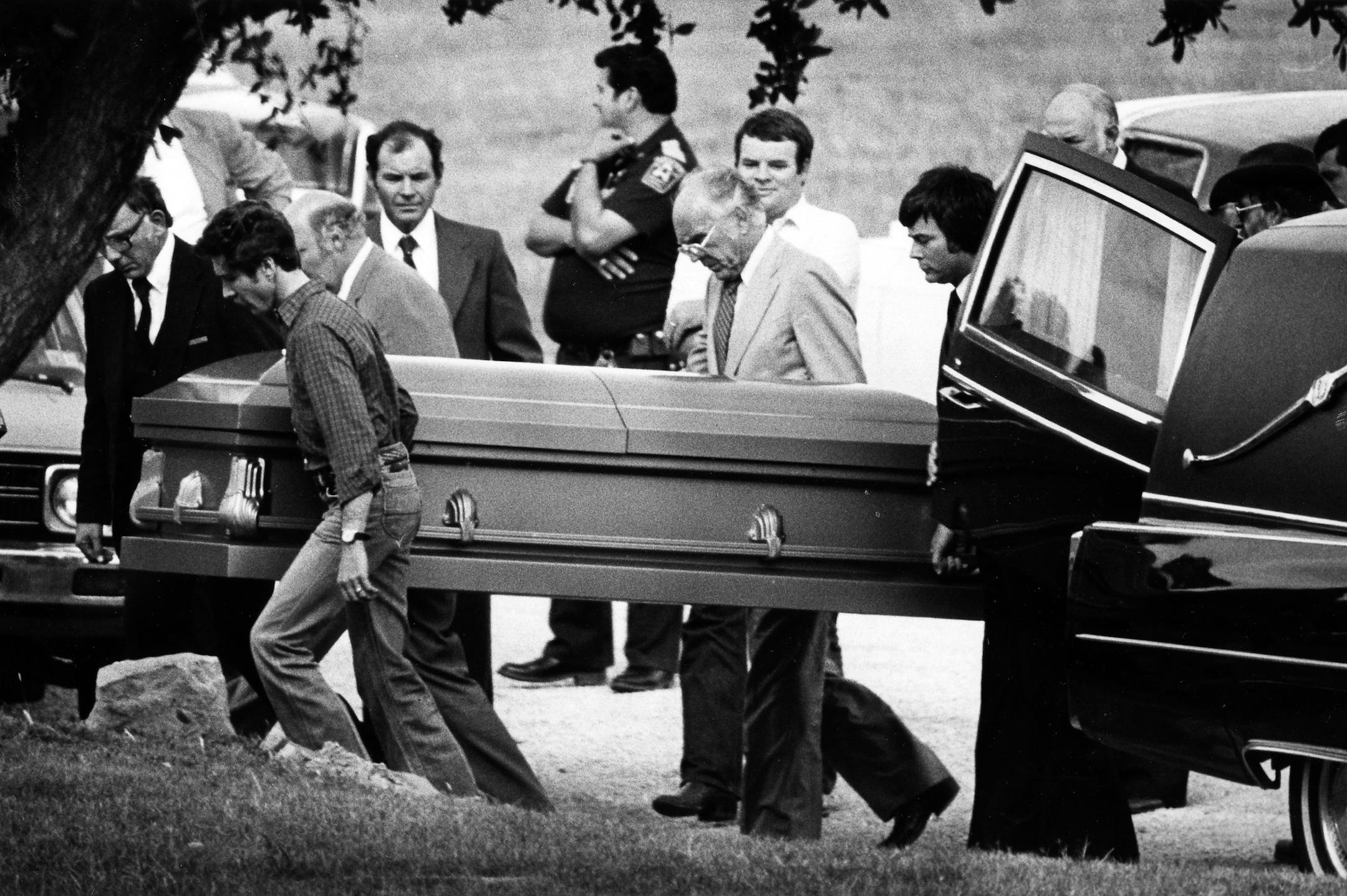
Three days after he assassinated President John F. Kennedy from a sixth-floor window of the Texas School Book Depository, and a day after he himself was shot and killed by nightclub owner Jack Ruby, Oswald was laid to rest in a Fort Worth cemetery in a service so poorly attended that reporters were used as pallbearers.
The coffin was exhumed in 1981 to dispel conspiracy theories including assertions that the body inside may have been that of a Soviet impostor. Oswald, his identity confirmed by medical tests, was reburied in a new coffin, and the original was stored for years in Baumgardner Funeral Home in Fort Worth.
Now, the latest chapter in the unfinished tale of Oswald's original coffin is playing out in a Fort Worth court.
After learning that Baumgardner Funeral Home sold the coffin through a Los Angeles auction house for $87,468, Lee Harvey Oswald's brother filed suit to block the sale, contending that marketing the crumbling coffin was "ghoulish" and had no historical value. The funeral home is fighting back, defending its right to the coffin and contending that Robert Oswald, now 80, relinquished his legal claim by making it a "gift" to his dead brother.
State District Judge Don Cosby of Fort Worth heard testimony and arguments in a two-day trial that ended Tuesday. Lawyers say the judge is not expected to rule before Christmas.
'There's got to be a limit'
Robert Oswald, who lives in Wichita Falls, Texas, about 115 miles northwest of Fort Worth, did not appear at the trial because of declining health, lawyers said, but he aired his opposition to the sale in a 77-minute video deposition shown in court.