

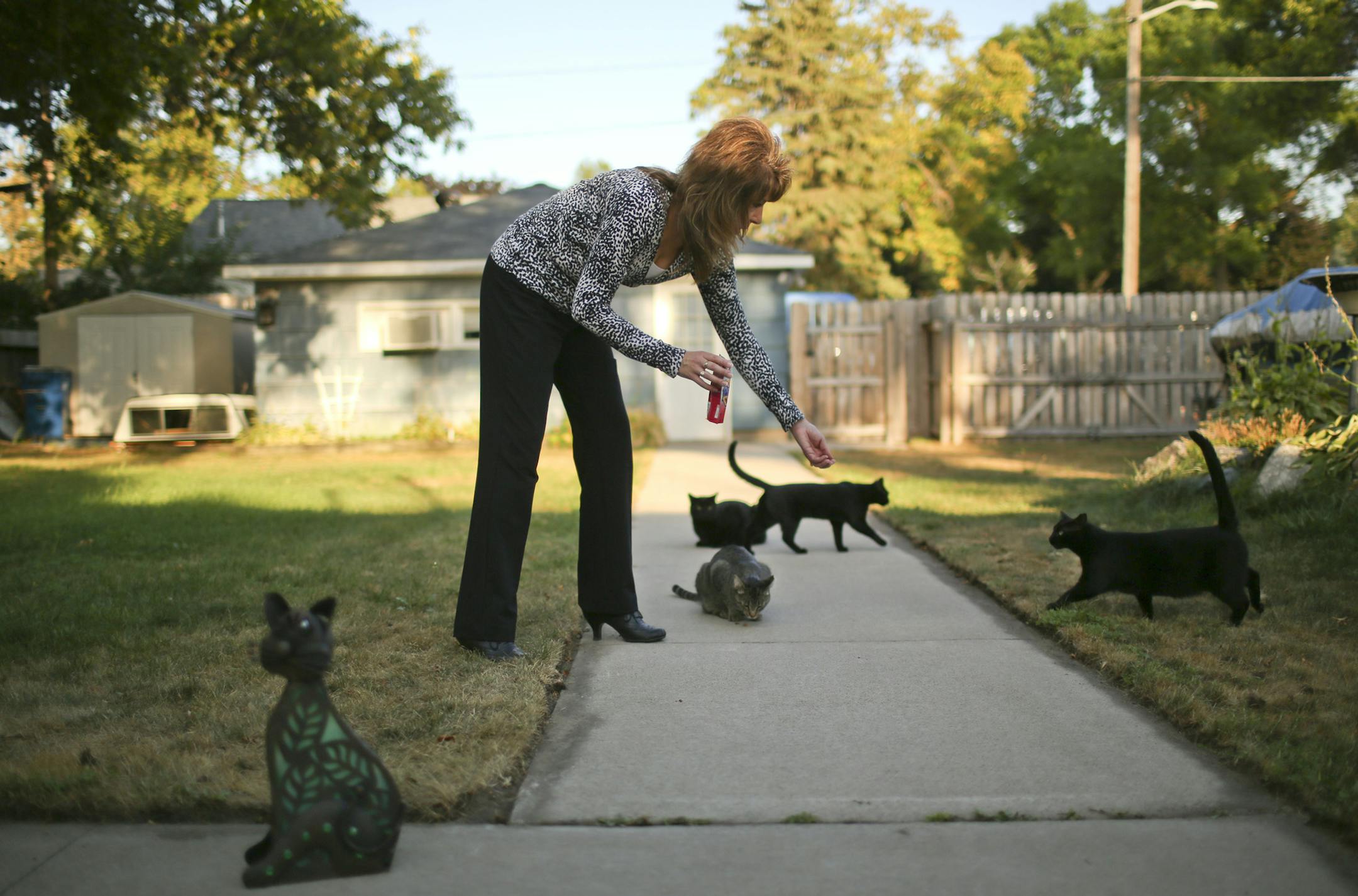
Feral cats had a good day Wednesday at Minneapolis City Hall.
After a public hearing that drew animal lovers of all kinds, a City Council committee voted 5-0 to recommend a new law that in essence licenses the care and feeding of free-roaming cats as part of a larger effort to reduce their numbers. The issue goes next week to the full council, which usually adopts the recommendations of its committees.
The ordinance would allow Minneapolis residents to establish cat "colonies" where abandoned and wild cats can be fed but also vaccinated, neutered and identified in an effort to humanely cut their population and control disease. Nonprofit pet protection groups would manage the program and be responsible for ensuring that cat caretakers take the required steps.
The problem of free-roaming cats — and their predation on birds and other wildlife — is hotly contested in communities across the country, and it triggered a lively exchange in the hearing room. Several members of the Audubon Society said the plan fails to answer questions about how cats will be managed and what rights neighbors will have if the cats become a nuisance. The ordinance requires caretakers to "educate" people in their neighborhoods.
"But shouldn't neighbors have more influence than education?" said Jerry Bahls, president of the Minneapolis chapter of the Audubon Society.
Matthew Anderson, executive director of the chapter, said proponents of colonies are putting the interests of one invasive species — cats — over the hundreds of other native ones that are their prey.
But about two-thirds of the people speaking supported the new measure, including Dan Niziolek, director of Minneapolis Animal Care and Control. He said other cities with similar programs have seen a drop in cat complaints, costs and the number of cats that had to be euthanized. He also said the risk of rabies in the domestic pet population could be reduced.
Most importantly, he said after the hearing, is that it's a community problem being addressed by members of the community. "Does it solve it? No," he said. "But it's something in the right direction."
![A committee of the Minneapolis City Council voted 5-0 Wednesday afternoon, September 11, 2013 to recommend a new law that in essence licenses the care and feeding of feral cats. Annette and Doug Edge of North St. Paul manage a feral cat colony of 14 felines in their backyard. They both offered testimony at the city council meeting in support of the measure. The Edges with two of their colony of 14 feral cats that they allow to live in their backyard. ] JEFF WHEELER • jeff.whee](https://arc.stimg.co/startribunemedia/DYEB35W7NR2DOVDSBOVXO2JLSI.jpg?&w=1080)
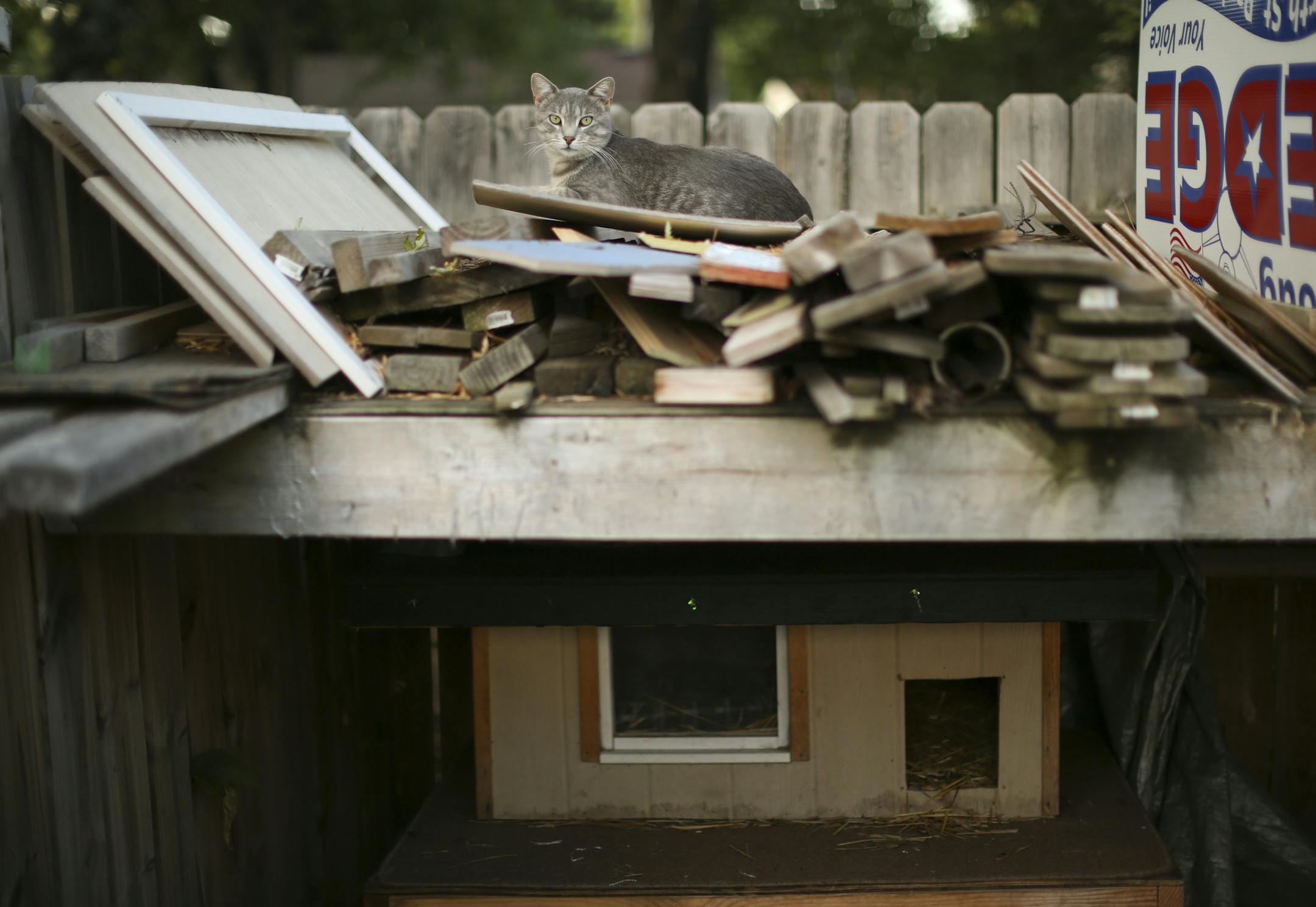
![A committee of the Minneapolis City Council voted 5-0 Wednesday afternoon, September 11, 2013 to recommend a new law that in essence licenses the care and feeding of feral cats. Annette and Doug Edge of North St. Paul manage a feral cat colony of 14 felines in their backyard. They both offered testimony at the city council meeting in support of the measure. Dan Niziolek, head of Minneapolis Animal Care & Control, outlined the proposed law for members of the city council Wednesday afternoon. ] JE](https://arc.stimg.co/startribunemedia/6AMJEQ5WE4Z532EXY3FBIP5OWU.jpg?&w=1080)


