

My 14-year-old son and I were watching the Democratic National Convention this past summer when John Kerry came on. My son asked who he was; I responded that he had run for president in 2004, that he was an important senator and that if President Obama were re-elected, Kerry might become secretary of state.
"You mean a man can be secretary of state?" my son said, sounding genuinely surprised.
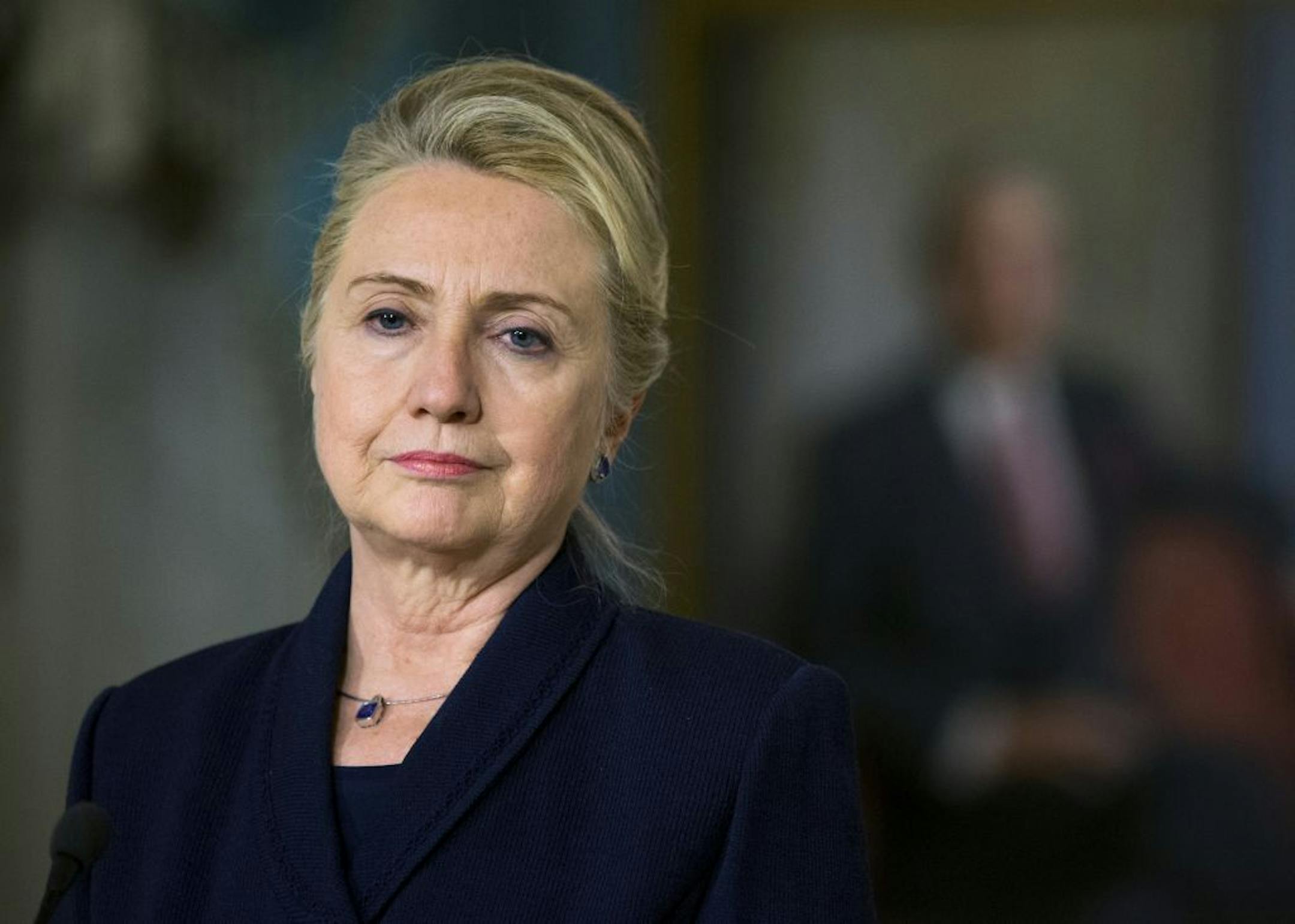
It makes sense that he assumed that men didn't have a shot at the job. Three of the past four secretaries of state have been women, and that trend could continue if Obama nominates and the Senate confirms U.N. Ambassador Susan Rice to replace Hillary Rodham Clinton. In fact, I've been asked recently whether we are turning secretary of state into a woman's job.
Women of my generation remember well how big a step it was for Madeleine Albright to break the secretary of state glass ceiling in 1997. Just a decade later, by 2008, Carol Jenkins, then president of the Women's Media Center, was noting that "secretary of state has become the women's spot - a safe expected place for women to be."
I'm not so sure about that. A recent news report quoted a "longtime foreign-policy expert who has worked for Democratic administrations" as saying that Rice's voice "is always right on the edge of a screech," reminding us that sexist caricatures of strong women as witches - or a word that rhymes with that - still abound.
As someone who worked in Clinton's State Department - and has written frequently about the importance of having more women in high foreign policy positions and the difference that can make to the substance as well as the style of U.S. foreign policy - I think the question of whether women are particularly well-suited to nurturing relationships, marshaling cooperation and conducting tough negotiations around the world is worth asking.
In some ways, the answer is yes. Back in the 1980s, Joseph Nye coined the term "soft power," meaning the power of attraction rather than the power of coercion. (And by attraction, I mean the lure of a nation's culture and values, not its diplomats' looks.) But soft power really took off when Nye argued in 2005 that it was the means to success in world politics. He argued that the United States succeeds when we can persuade the rest of the world to want what we want, rather than imposing our will. Given that women are far less likely to be able to use coercive power than men are, we have been skilled for centuries at getting others to want what we want.
Moreover, I think many women take more readily to the "smart power" approach to foreign policy that Clinton has pioneered. In a nutshell, this entails using a wide spectrum of tools in addition to the hard power of military and economic might to address global problems.


