

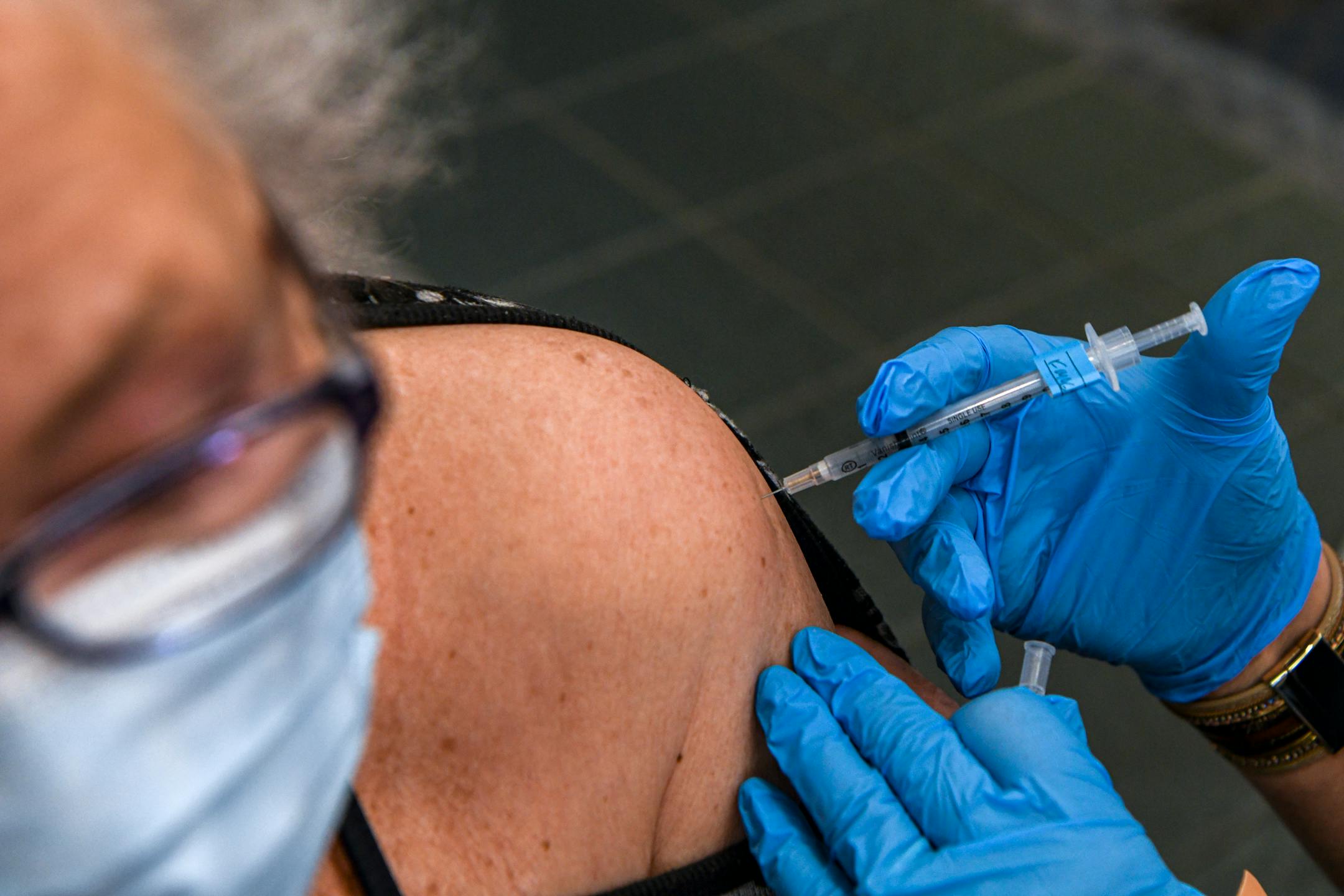
A new study has an encouraging message for Americans who shy away from COVID shots because of worries about side effects: The chills, fatigue, headache and malaise that can follow vaccination may be signs of a vigorous immune response.
People who had those side effects after the second dose of a COVID vaccine had more antibodies against the coronavirus at one month and six months after the shot, compared with those who did not have symptoms, according to the new study. Increases in skin temperature and heart rate also signaled higher antibody levels.
"We know that vaccine uptake can be challenging, and in some cases, it can be so because some people have strong reactions to the vaccine," said Aric Prather, a clinical psychologist at the University of California, San Francisco, who led the study.
"My hope is that this actually helps assuage some of those concerns," said Prather, who studies how behavioral factors affect the immune system. "In fact, those symptoms, though they may be unpleasant, may actually be working for you."
The study was posted online recently. It has not been reviewed for publication in a scientific journal. But several experts said it was well done, and its results were consistent with those from other research.
The relative increase in antibody levels among those who experienced side effects was small and doesn't mean that people without symptoms don't muster a strong immune response, experts said.
"Lack of side effects should not be taken as a sign that the vaccine's not working," said Alessandro Sette, co-director of the La Jolla Institute of Immunology's Center for Vaccine Innovation, who was not involved in the work.
An earlier study found that 98% of people who felt no ill effects still produced copious amounts of antibodies, compared with 99% of those who had localized symptoms or worse, Sette said.


