

WASHINGTON – In highly unusual testimony inside the federal supermax prison, a former operative for Al-Qaida has described prominent members of Saudi Arabia's royal family as major donors to the terrorist network in the late 1990s and claimed that he discussed a plan to shoot down Air Force One with a Stinger missile with a staff member at the Saudi Embassy in Washington.
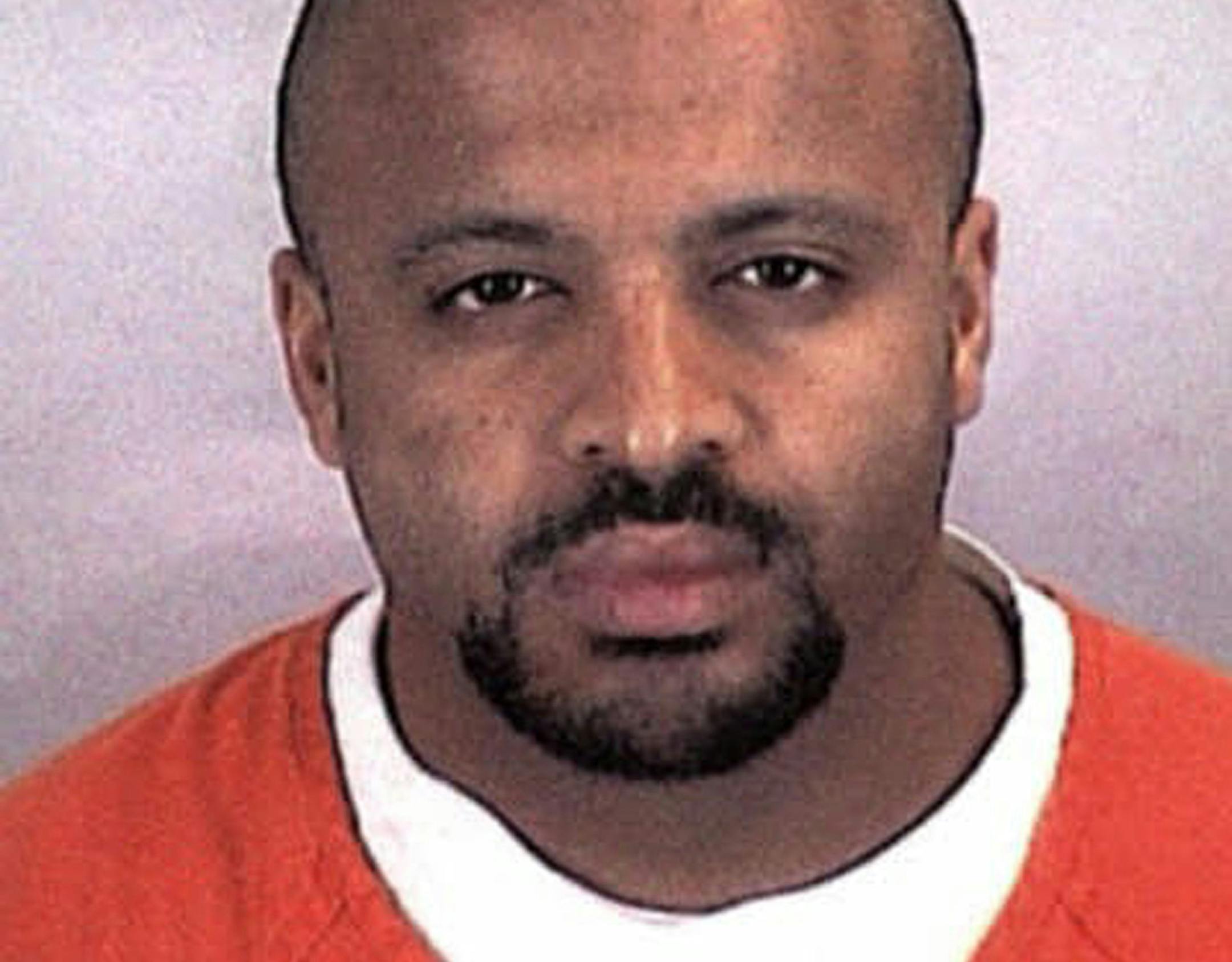
Zacarias Moussaoui, who was detained in Eagan in 2001, has received a diagnosis of mental illness but was found competent to stand trial on terrorism charges. He was sentenced to life in prison in 2006 and is held in the most secure prison in the federal system, in Florence, Colo.
Last year, he wrote to Judge George B. Daniels of U.S. District Court for the Southern District of New York, who is presiding over a lawsuit filed against Saudi Arabia by relatives of those killed in the Sept. 11, 2001, terrorist attacks. He said he wanted to testify in the case, and after lengthy negotiations with Justice Department officials and the federal Bureau of Prisons, a team of lawyers was permitted to enter the prison and question him for two days in October.
Saudis discredit Moussaoui
In a statement Monday night, the Saudi Embassy noted that the national Sept. 11 commission had rejected allegations that the Saudi government or Saudi officials had funded Al-Qaida.
"Moussaoui is a deranged criminal whose own lawyers presented evidence that he was mentally incompetent," the statement said.
The allegations from Moussaoui come at a sensitive time in Saudi-American relations, less than two weeks after the death of the country's longtime monarch, King Abdullah, and the succession of his brother, King Salman.
Moussaoui described meeting in Saudi Arabia with Salman, then the crown prince, and other Saudi royals while delivering them letters from Osama bin Laden. In more than 100 pages of testimony, filed in federal court in New York on Monday, he comes across as calm and largely coherent.
"My impression was that he was of completely sound mind — focused and thoughtful," said Sean P. Carter, a Philadelphia lawyer who participated in the deposition on behalf of the plaintiffs.


