

Opinion editor's note: Editorials represent the opinions of the Star Tribune Editorial Board, which operates independently from the newsroom.
•••
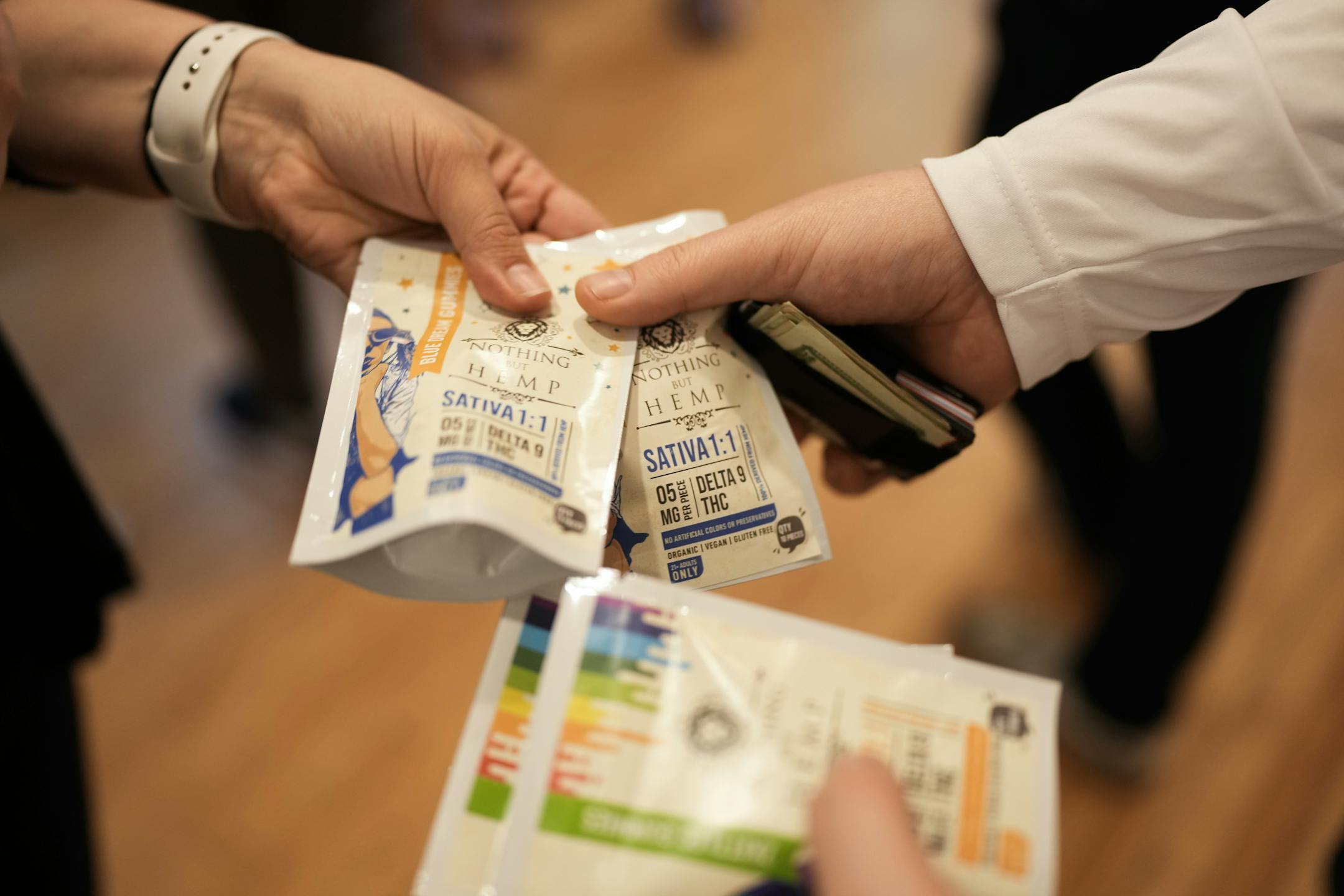
Minnesota's recent move to legalize low-THC edibles is further evidence of the swift shift underway toward greater acceptance and use of cannabis in the U.S.
"As of July 2022, 37 states, three territories and the District of Columbia have approved cannabis for medical use," reports the National Conference of State Legislatures (NCSL). "Nineteen states, two territories and the District of Columbia allow for the nonmedical use of cannabis by adults over age 21."
While states have embraced this change, the federal government has not. Marijuana is still a Schedule I drug under the federal Controlled Substances Act. This federal-state conflict is unlikely to be resolved soon. But in the meantime, Congress should take two measured steps to fix high-profile problems created by the ongoing disconnect:
- Pass the SAFE Banking Act, allowing the financial industry to provide services to legitimate cannabis businesses without fear of federal reprisal.
- Pass the Veterans Medical Marijuana Safe Harbor Act. The bill would allow Veterans Affairs (VA) medical providers in states with an established medical marijuana program to discuss and recommend this option to veterans struggling with pain or other medical conditions. Clarity is needed because the VA is federally run.
Congress has much on its plate this fall with looming midterm elections and end-of-September deadlines for passing critical legislation, including a stopgap funding bill to avoid a government shutdown. But the targeted cannabis bills to aid banks and veterans are nevertheless worthy of attention. The other big bills could provide a vehicle to get the marijuana measures across the finish line.
That the SAFE Banking Act is still waiting for Senate approval is especially frustrating given that it's already cleared the House six times, according to the legislation's lead author, Rep. Ed Perlmutter, D-Colo.
The House most recently passed this sensible banking reform in February 2022 as an amendment to the America COMPETES Act. The House passed it in April 2021 as a stand-alone bill, with a vote of 321-101. More than 100 Republicans voted yes.


