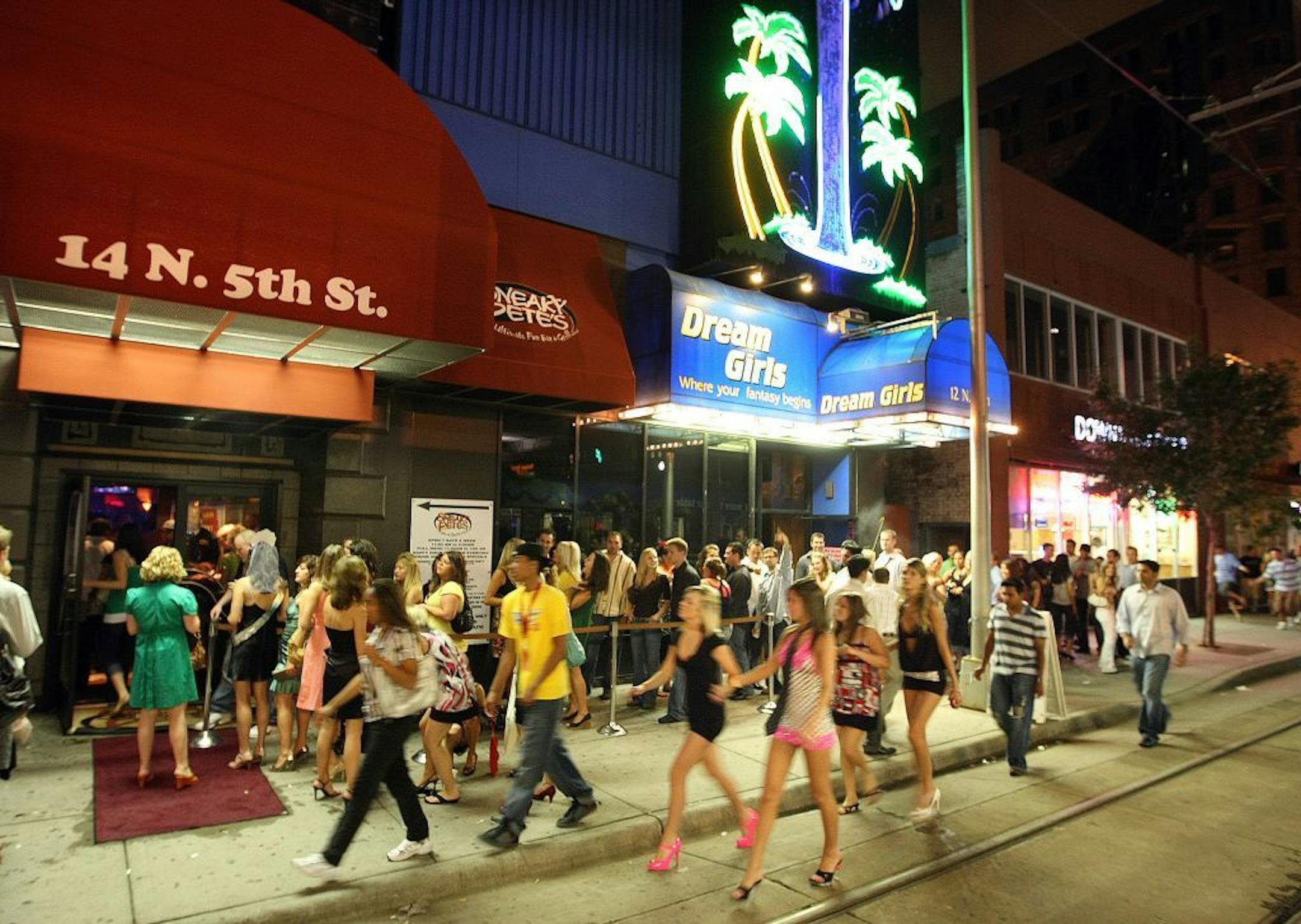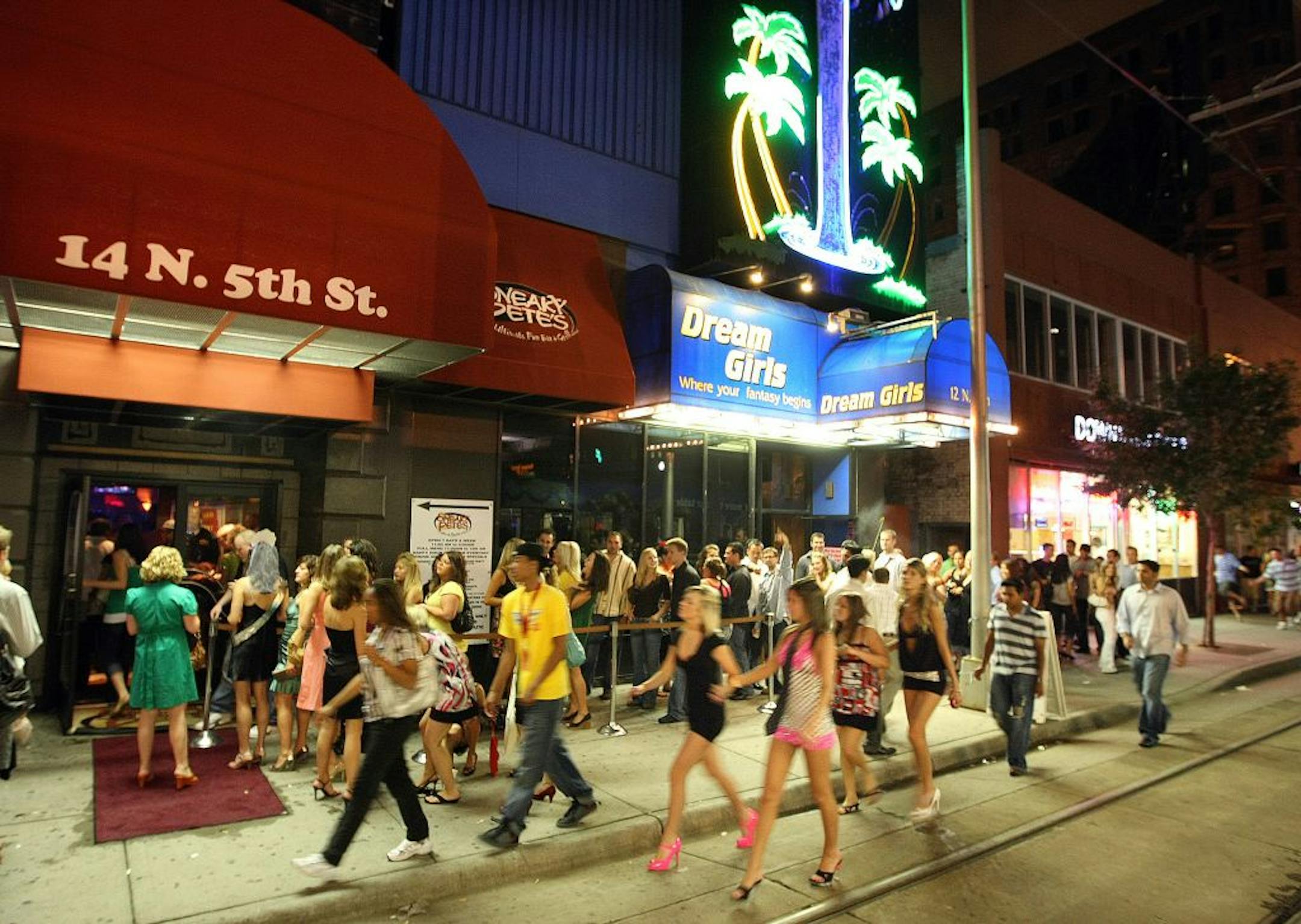
Dancers and nightclub operators from around the Twin Cities gathered in a Minneapolis hotel conference hall Monday for an industry talk a little outside the norm: a two-hour lecture with federal authorities on how to spot signs of human trafficking.
"Unlike many of the conversations we have, we're not going to be talking about serving drinks, dancing or food," said Michael Ocello, whose VCG Holding Corp. operates a dozen clubs across the country. "We're talking about saving a human life. We're talking about slavery."
Ocello said that while he didn't think the nightclub business was a gateway to sex trafficking, the industry is at risk for exploitation by traffickers who seek to recruit dancers or those who dispatch underage girls with fake IDs to go earn money for them. So he created Club Operators Against Sex Trafficking (COAST) in 2010 and has since worked with law enforcement officials in a national awareness campaign, which last visited the metro about four years ago.
Tonya Price, a Homeland Security agent who has focused on investigating human trafficking in Minnesota for five years, outlined state and federal trafficking statutes, warning the audience that "having reason to know" trafficking was occurring could make them criminally responsible. The industry, she told them, "leaves the door open" to identify possible crimes.
"You're seeing things the general public does not see," Price said.
Since the last COAST training in the Twin Cities, Minnesota's Safe Harbor law changed the way juveniles sold for sex are treated. The state now considers them victims, not criminals, and federal prosecutors have won convictions of 19 sex traffickers responsible for dozens of victims, many of them children.
Part of Monday's discussion sought to clarify just who those victims most often are.
"They're Minnesota girls," Price said. "They are our runaway girls."